
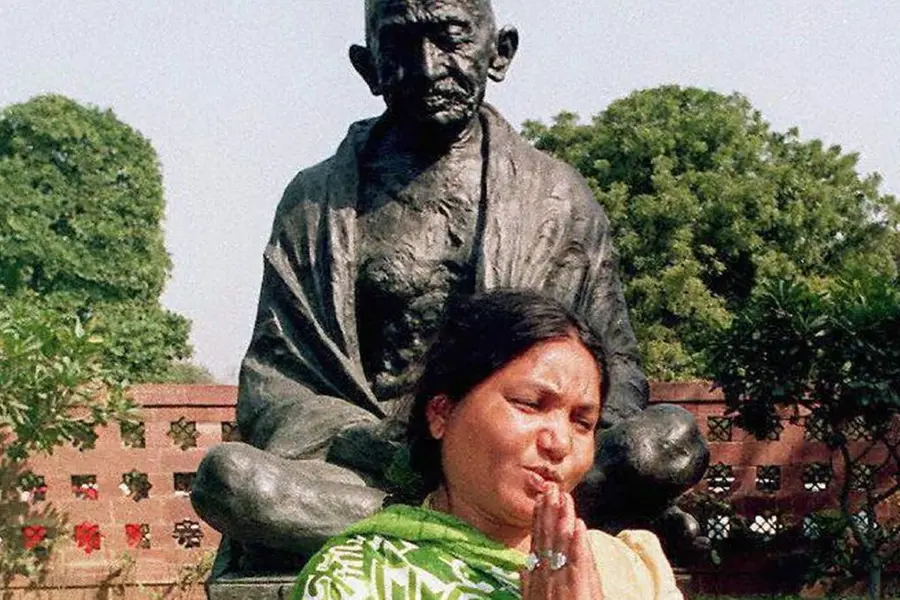
In February 1981, an astonishing news story emerged from Behmai village in Uttar Pradesh. Twenty-two men were killed, and the shocking truth behind the massacre was attributed to a woman—Phoolan Devi, a notorious bandit queen. Her name stirred the nation, with some seeing her as a warrior fighting for the dignity of women, while others viewed her as a ruthless murderer and a dacoit.

Phoolan's life had been shaped by struggle from a young age. Born into the Mallah community, her childhood was marred by oppression. At the age of 10, her family’s land was seized by relatives, and Phoolan, who protested, was brutally beaten. In an effort to protect her, her family hastily arranged her marriage to a man three times her age. However, this union soon fell apart when Phoolan fell ill and returned home, only to find that her husband had married another woman and abandoned her.


placeholder
She sought refuge with her relatives, but soon found herself imprisoned by them once more, enduring severe abuse, both physical and sexual. This was only the beginning of her torment. Phoolan’s life took a darker turn when she was kidnapped by a notorious bandit, Babu Gujar, and subjected to brutal gang rape. After being enslaved by Gujar, Phoolan’s suffering reached new extremes. The turning point came when a member of Gujar’s gang, Vikram Mallah, unable to accept the cruelty Phoolan was enduring, became her ally. Alongside Phoolan, he took revenge on Gujar. But this was not the end of Phoolan's suffering. The story continued with the involvement of Ram Singh, a fellow bandit who, after being released from prison, joined forces with Phoolan. Singh's gang attacked and killed Vikram Mallah, and Phoolan was once again enslaved by a new group of men. The bandits subjected her to unimaginable horrors, parading her naked through the streets of Behmai village. In an act of brutal revenge, Phoolan led a group of men to execute 20 of the village’s men, 17 of whom were Thakurs, the caste that had long oppressed her.

placeholder
Phoolan’s actions sparked national outrage, but she became a symbol of defiance for many. She was both vilified and celebrated, with some calling her a hero and others a villain. When Phoolan was captured, the state machinery faltered under the weight of her influence, and the chief minister of Uttar Pradesh resigned. In 1983, after years of resistance, Phoolan surrendered under specific conditions, and the government forced her family to submit. Despite the hardships, Phoolan’s life took a remarkable turn in 1994 when she joined the Samajwadi Party and was elected to the Lok Sabha from Mirzapur. Though she lost the 1988 election, she triumphed the following year. Phoolan’s rise in politics was a testament to her resilience, but her journey was cut short. In 2001, she was assassinated in a brutal attack, with nine bullets tearing through her body. The assassin, Sher Singh Rana, claimed it was an act of revenge for the Thakurs killed by Phoolan. He was sentenced to life imprisonment for the murder.

placeholder
Sher Singh Rana


Phoolan Devi’s life story is one of unimaginable pain, but also immense strength and defiance against the forces that sought to break her. From a young girl who fought against oppression to a powerful figure in Indian politics, her legacy remains a controversial yet poignant reminder of the lengths one woman went to reclaim her dignity and fight for justice.