
Petrol and diesel prices remain unchanged across major Indian cities even as global crude oil prices surge past $100 per barrel due to escalating Middle East tensions
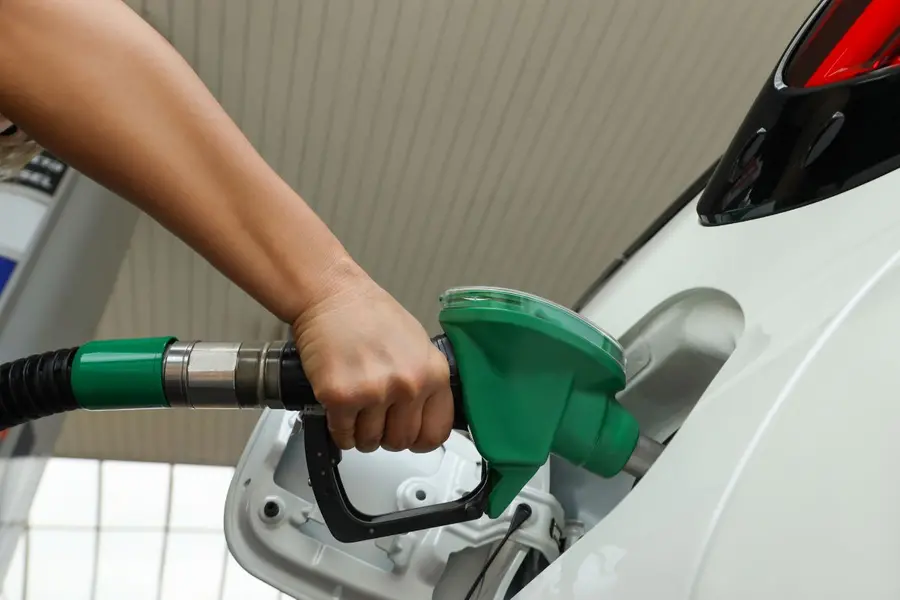
Fuel prices in India remained steady on Thursday, March 12, despite a sharp spike in global oil markets triggered by escalating geopolitical tensions in the Middle East.
Global crude prices jumped nearly 8%, with Brent crude briefly crossing the $100-per-barrel mark, while West Texas Intermediate (WTI) rose close to $95 per barrel. The surge came even after the International Energy Agency (IEA) announced a massive emergency release of oil reserves to stabilise markets.
Also Read

Despite the volatility in international oil prices, the Indian government has indicated that retail petrol and diesel prices are likely to remain stable for now.
What are the petrol and diesel prices in major cities?
According to the latest notification issued by state-run oil marketing companies, fuel prices in major cities remained unchanged on Thursday.
- Delhi: Petrol ₹94.77 | Diesel ₹87.67
- Mumbai: Petrol ₹103.54 | Diesel ₹90.03
- Kolkata: Petrol ₹105.41 | Diesel ₹92.02
- Chennai: Petrol ₹100.93 | Diesel ₹92.48
- Hyderabad: Petrol ₹107.50 | Diesel ₹95.70
- Bengaluru: Petrol ₹102.92 | Diesel ₹90.99
- Pune: Petrol ₹103.91 | Diesel ₹90.57
Among these cities, Hyderabad and Kolkata continue to record some of the highest petrol prices, largely due to differences in state taxes, while Delhi and Lucknow remain relatively cheaper markets.
Why are global oil prices rising?
The recent spike in crude prices has been driven by growing tensions in the Middle East involving Iran, Israel, and the United States, raising fears of a major disruption to global energy supplies.
A key concern is the Strait of Hormuz, one of the world’s most important oil transit routes. Nearly 20% of global oil shipments pass through this narrow waterway each day, making it a critical chokepoint for global energy trade.
Earlier this week, Brent crude briefly surged past $119 per barrel before easing slightly following signals of possible de-escalation in the region.
Can global oil reserves stabilise prices?
In an attempt to calm markets, the International Energy Agency announced the largest emergency oil release in its history. The agency said its 32 member countries would release about 400 million barrels of crude from strategic reserves.
At the same time, the United States announced plans to release 172 million barrels from its Strategic Petroleum Reserve as part of the coordinated effort.
However, oil prices continued to rise even after the announcement, reflecting concerns among traders that these measures may not fully offset supply disruptions caused by the conflict.
Will petrol and diesel prices rise in India?
For now, government sources have indicated that retail fuel prices in India are unlikely to increase immediately, despite the sharp rise in global oil prices.
Officials say India has sufficient fuel reserves and diversified supply arrangements, which should help cushion domestic markets from short-term global volatility.
Keeping fuel prices stable is also seen as part of the government’s strategy to control inflation and protect consumers from sudden price shocks.
However, analysts warn that if the conflict continues for a prolonged period and global supply disruptions worsen, oil prices could climb further, potentially putting pressure on fuel prices in the months ahead.
Published: 12 Mar 2026, 09:26 am IST
Related Topics
Disclaimer: Kindly avoid objectionable, derogatory, unlawful and lewd comments, while responding to reports. Such comments are punishable under cyber laws. Please keep away from personal attacks. The opinions expressed here are the personal opinions of readers and not that of Mathrubhumi.