
While some supplies were impacted, the government is actively procuring LNG via alternative routes.
New Delhi:India’s petroleum ministry moved on Wednesday to reassure the public of the nation's energy stability, announcing that diversified procurement strategies have insulated the country’s crude oil supply from the escalating conflict in West Asia.
Sujata Sharma, Joint Secretary at the Ministry of Petroleum and Natural Gas, stated during a high-level inter-ministerial briefing that India’s daily requirement of 5.5 million barrels remains secure. She noted that current inbound volumes actually exceed the typical quantities that would transit the Strait of Hormuz during this timeframe, as Indian oil marketing companies have pivoted to suppliers in roughly 40 different countries.
Prioritising Household Fuel
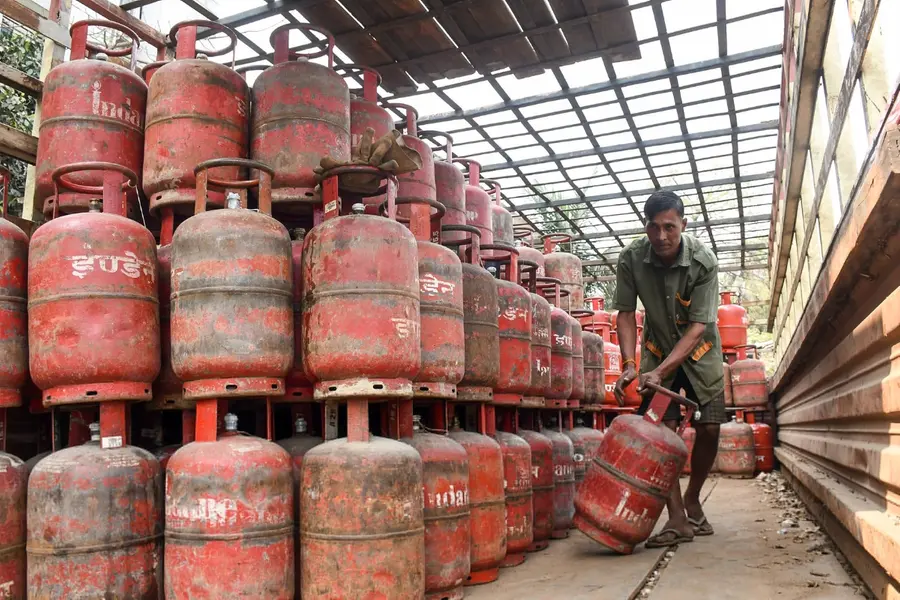
The ongoing maritime disruptions have had a more direct impact on Liquefied Petroleum Gas (LPG). Approximately 60% of India’s cooking gas is imported, with 90% of those shipments historically passing through the Strait of Hormuz. In response, the government has directed refineries and petrochemical plants to maximise LPG output at the expense of other products.
"Currently, LPG is being directed to the domestic sector. For non-domestic LPG, priority is being given to essential sectors such as hospitals and educational institutions," Sharma said. She added that domestic production has surged by 25% following these mandates.
To prevent panic-buying and hoarding, the ministry has implemented a temporary demand management measure, extending the mandatory waiting period between domestic cylinder bookings from 21 days to 25 days.
Industrial and Strategic Allocation
The government has also established a priority hierarchy for natural gas distribution. Essential sectors, including fertiliser manufacturing, tea production, and critical gas grid operations, will receive preferential access to maintain agricultural and industrial stability.
Sharma confirmed that gas companies have successfully tapped into new international markets to replace lost volumes. "Our gas companies have procured LNG cargoes from new sources. Two LNG cargoes are on their way to India," she stated.
To shield the public from volatile global prices, the Joint Secretary noted that the government has absorbed a substantial portion of the rising costs associated with these shipments. Domestic refineries are currently operating at or above 100% capacity to ensure the continued flow of petroleum products across the subcontinent.
With inputs from ANI
Published: 11 Mar 2026, 05:46 pm IST
Related Topics
Disclaimer: Kindly avoid objectionable, derogatory, unlawful and lewd comments, while responding to reports. Such comments are punishable under cyber laws. Please keep away from personal attacks. The opinions expressed here are the personal opinions of readers and not that of Mathrubhumi.
