
India’s Ambassador to the United States has pushed back against claims that the country’s IT Rules amount to censorship, calling such arguments misleading and biased.
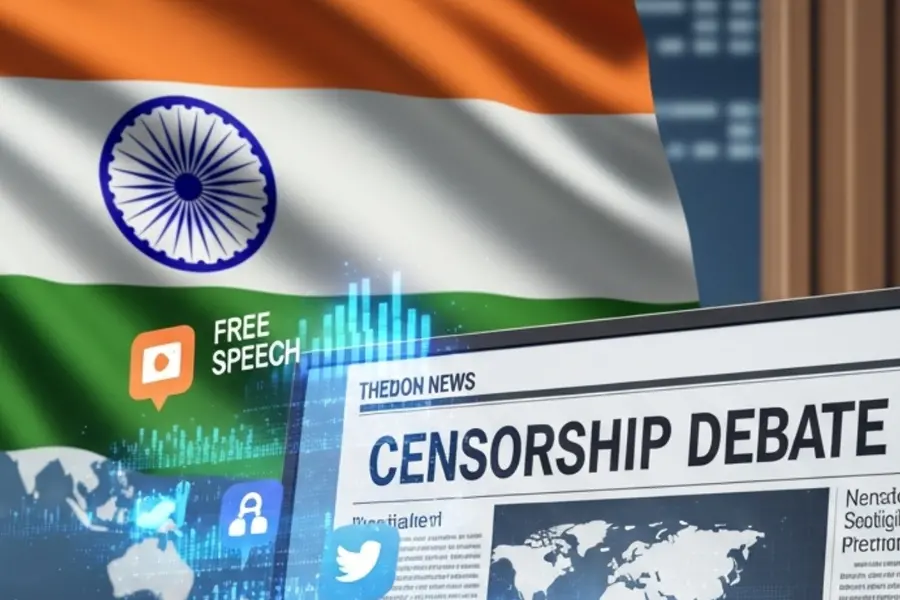
New Delhi: India has responded to fresh international criticism of its digital regulations, with its Ambassador to the United States, Vinay Mohan Kwatra, defending the country’s Information Technology (IT) Rules amid a growing debate on free speech and online accountability.
The response comes after an opinion article in The New York Times described the rules as “censorship”, prompting India to clarify that the framework is aimed at tackling misinformation and ensuring responsibility among digital platforms, not restricting expression.
Also Read

India rejects ‘censorship’ claims, says IT Rules are about accountability not suppression
What triggered the controversy?
India’s Ambassador to the United States, Vinay Mohan Kwatra, has pushed back against criticism of India’s digital regulations, arguing that describing them as “censorship” is misleading and oversimplifies a complex issue.
His remarks came in response to an opinion article published in The New York Times, which questioned India’s Information Technology (IT) Rules and suggested they could restrict free expression. The exchange reflects a broader global debate over how governments should regulate online platforms while protecting democratic freedoms.
What are India’s IT Rules trying to do?
At the centre of the discussion are India’s IT Rules, formally known as the Information Technology (Intermediary Guidelines and Digital Media Ethics Code) Rules. These were introduced to bring greater oversight to social media platforms, digital news publishers, and online content providers.
The rules require platforms to remove unlawful or harmful content under certain conditions, set up grievance redressal systems, and take greater responsibility for the content they host. The stated aim is to tackle misinformation, online abuse, and harmful digital material.
Why are critics calling it censorship?
Critics of the rules, including voices in international media, argue that such provisions risk giving authorities excessive control over online speech. They warn that platforms may feel compelled to remove content more aggressively to avoid penalties, potentially creating a chilling effect on free expression.
This concern formed the basis of the criticism highlighted in The New York Times opinion article that triggered the response.
How did India respond?
Responding to these concerns, Kwatra said that labelling efforts to counter misinformation and protect society as “censorship” may make for “a catchy headline” but amounts to a “lazy argument”.
Instead, he emphasised that India’s approach is rooted in accountability. According to him, the real issue is ensuring that digital platforms—many of which operate globally—are responsible for the content they host, especially when it involves misinformation or harm.
Kwatra also underscored India’s democratic framework, pointing to its written constitution, independent judiciary, and diverse media landscape as evidence that institutional safeguards remain strong.
Is this really about free speech vs accountability?
Kwatra argued that framing the debate as “free speech versus censorship” conflates separate issues. In his view, such a binary narrative ignores the more nuanced challenge of balancing individual rights with platform accountability.
He added that discussions on achieving this balance are welcome, but criticised what he described as “prejudiced and partisan” perspectives, saying they do not contribute constructively.
What does this mean going forward?
The controversy reflects a wider international challenge. Governments across the world are trying to regulate digital platforms to address misinformation and online harm, while also facing concerns about overreach and free speech.
India’s stance, as articulated by Kwatra, is that its IT Rules are part of this global push for accountability rather than an attempt to suppress voices. However, the debate is likely to continue as legal, political, and public scrutiny of such regulations evolves.
Published: 06 May 2026, 06:53 am IST
Related Topics
Disclaimer: Kindly avoid objectionable, derogatory, unlawful and lewd comments, while responding to reports. Such comments are punishable under cyber laws. Please keep away from personal attacks. The opinions expressed here are the personal opinions of readers and not that of Mathrubhumi.