
The "information vacuum" hides the true scale of casualties and domestic unrest, leaving 90 million citizens disconnected from the world.
Tehran: Internet connectivity in Iran remains paralysed at approximately 1% of normal levels as a state-imposed blackout enters its 30th consecutive day, according to data released Sunday by the independent monitoring group NetBlocks.
The disruption, which began on February 28, 2026, followed a series of joint military strikes by the United States and Israel. The current situation has become the most prolonged digital shutdown in the country’s history, leaving nearly 90 million citizens largely isolated from the global community during an existential national crisis.
National Security and Information Control
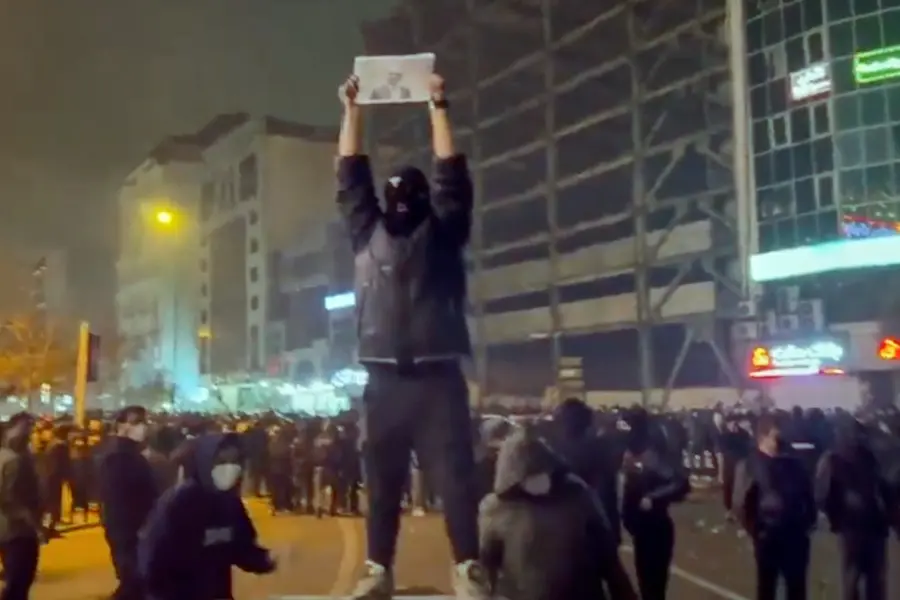
The blackout coincided with the launch of coordinated Western military operations targeting Iran's nuclear and missile infrastructure. Amid the strikes, Iranian authorities confirmed the death of Supreme Leader Ali Khamenei, a turning point that triggered both state mourning and renewed domestic unrest. Analysts describe the current shutdown as a dual-purpose "kill switch" intended to disrupt enemy communications and suppress internal dissent as protesters reportedly took to the streets in several major cities.
The Iranian government has tightened its "White List" system, which grants connectivity exclusively to state offices, government media, and high-level officials. While the general public is barred from the web, authorities continue to use global platforms to disseminate official narratives. According to reports, the state is also using military-grade jamming to block satellite signals, including the Starlink network, further severing the last remaining lifelines for the population.
Economic and Humanitarian Impact
The economic toll of the month-long disconnection is mounting. Iran’s e-commerce sector has been effectively crippled, and local businesses report an inability to process transactions or maintain essential logistics. Human rights organisations warn that the "digital darkness" is being used to mask a severe humanitarian crisis, as hospitals and emergency services struggle to coordinate without reliable data networks.
Independent monitors caution that the information vacuum prevents the verification of casualty figures from both the military strikes and the subsequent crackdown on protesters. With traditional phone lines and SMS services also facing intermittent disruptions, the flow of news from within the country remains at a historic low.
Published: 29 Mar 2026, 02:49 pm IST
Disclaimer: Kindly avoid objectionable, derogatory, unlawful and lewd comments, while responding to reports. Such comments are punishable under cyber laws. Please keep away from personal attacks. The opinions expressed here are the personal opinions of readers and not that of Mathrubhumi.
