
India is set to embed a critical clause in its ₹3.25 lakh crore Rafale deal to ensure indigenous weapons integration, even as officials clarify that fighter jet source codes are never shared globally.
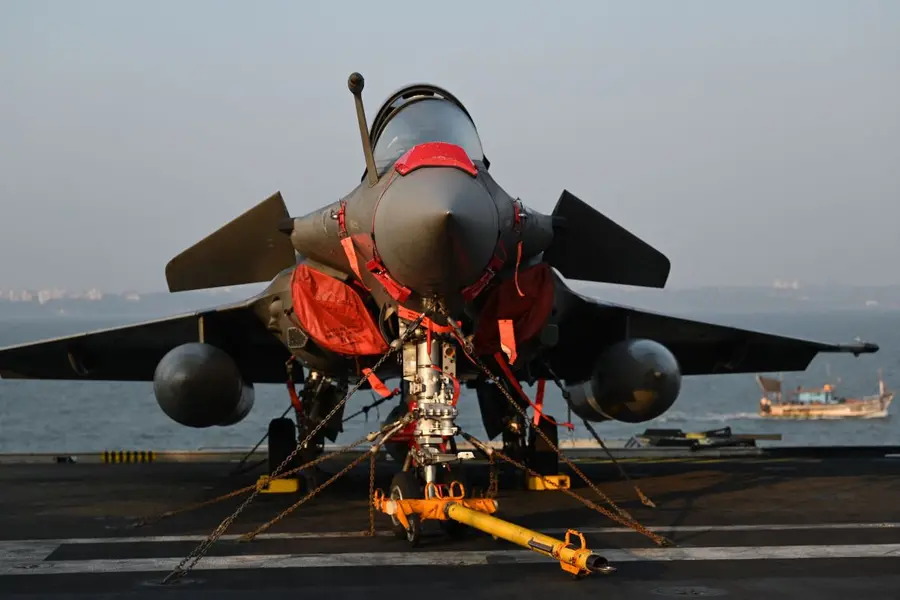
India is set to ensure that its indigenously developed missiles and weapons systems can be seamlessly integrated into the 114 Rafale fighter jets it plans to procure, according to people familiar with the development.
To achieve this, New Delhi will push for the inclusion of an interface control document (ICD) in the upcoming government-to-government “buy and make” agreement with French aircraft manufacturer Dassault Aviation.
The Defence Ministry is expected to issue the Request For Proposal (RFP) to Dassault next month, following which formal contract negotiations will commence.
The Defence Acquisition Council (DAC) had cleared the ambitious ₹3.25 lakh crore deal on February 12.
Sources said India intends to “hardwire” the ICD into the final contract. The ICD is a crucial systems engineering framework that defines protocols governing interactions between the aircraft and its subsystems, including weapons integration.
Under the current proposal, 18 Rafale jets will be delivered in flyaway condition from France, while the remaining 96 will be manufactured in India with over 25% indigenous content.
This move comes amid reports suggesting that Dassault has declined to share the fighter jet’s “source code” with India.
However, senior defence ministry officials clarified that such proprietary software, which controls radar systems, electronic warfare suites, avionics, flight control, and weapons deployment, is not shared by any country, even with its closest allies. They emphasised that the deal remains firmly on track.
Officials also pointed out that other global defence partners follow similar practices.
Russia, despite its long-standing defence ties with India and ongoing collaboration on upgrades of the Su-30 MKI fleet and its offer of Su-57 fighters, has never shared source codes.
Likewise, American defence firms supplying transport aircraft and attack helicopters to India have not provided access to such critical software.
While India is yet to decide on acquiring fifth-generation fighter jets from either the US or Russia, it continues to prioritise indigenous defence development.
This includes the Tejas Mark IA programme, long-range missile systems, and the twin-engine Advanced Medium Combat Aircraft (AMCA), aimed at reducing dependence on foreign platforms in the long term.
Published: 10 Apr 2026, 11:42 am IST
Related Topics
Disclaimer: Kindly avoid objectionable, derogatory, unlawful and lewd comments, while responding to reports. Such comments are punishable under cyber laws. Please keep away from personal attacks. The opinions expressed here are the personal opinions of readers and not that of Mathrubhumi.
