
Harish Rana, the first person in India authorised for passive euthanasia, passed away at AIIMS Delhi after 13 years in a vegetative state
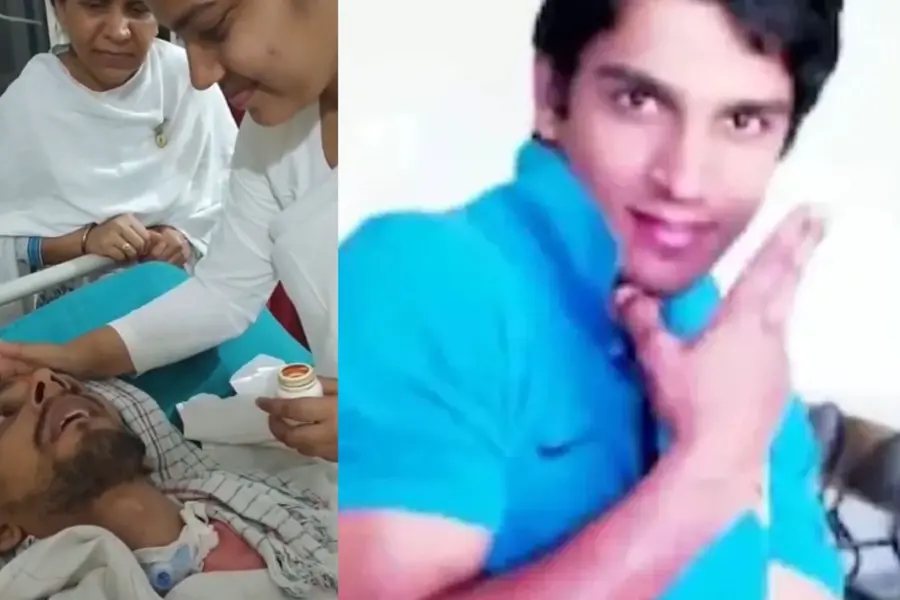
After more than a decade in a coma, Harish Rana, India’s first person allowed passive euthanasia, passed away at AIIMS Delhi, bringing an end to a long and closely watched chapter in the country’s legal and medical history. His case highlighted the balance between ethical medical care, patient dignity, and the Supreme Court’s landmark rulings on the right to die with dignity.
Harish Rana, 31, who had been in a vegetative state since 2013 after a severe head injury at Panjab University, passed away on March 24, 2026, at AIIMS Delhi. He became the first person in India to be granted passive euthanasia following a landmark Supreme Court order on March 11, 2026.
Also Read

Rana had survived for over 13 years on artificial nutrition delivered via a percutaneous endoscopic gastrostomy (PEG) tube and intermittent oxygen support. The Supreme Court allowed a gradual withdrawal of life support under a specialised medical protocol to ensure dignity and ethical compliance.
Medical procedure and supervision
A multidisciplinary team at AIIMS Delhi, led by Dr Seema Mishra, head of anaesthesia and palliative medicine, carried out the process. Specialists from neurosurgery, onco-anaesthesia, palliative medicine, and psychiatry ensured that the withdrawal of life support was gradual and closely monitored, prioritising humane care and patient dignity.
Legal and ethical significance
The Supreme Court ruling reinforced that passive euthanasia is aligned with the fundamental right to die with dignity under Article 21 of the Constitution. The court also recommended that the Union government consider enacting comprehensive legislation on passive euthanasia. It directed that chief medical officers maintain panels of registered medical practitioners for secondary medical boards to guide similar cases in the future.
Family perspective
Rana’s parents welcomed the decision, stating that it restored their son’s dignity after years of irreversible suffering. They emphasised that the process was not for personal benefit but to set a precedent that could help others facing similar situations.
Milestone for India’s end-of-life care
Harish Rana fell from a fourth-floor balcony in 2013 and entered a vegetative state.
He survived 13 years on artificial nutrition and intermittent oxygen.
On March 11, 2026, the Supreme Court approved passive euthanasia for him, marking the first such case in India.
The withdrawal of life support was supervised by a specialised multidisciplinary medical team at AIIMS Delhi.
The case sets a landmark precedent for end-of-life care, combining legal, ethical, and medical safeguards while prioritising patient dignity.
Published: 24 Mar 2026, 06:02 pm IST
Related Topics
Disclaimer: Kindly avoid objectionable, derogatory, unlawful and lewd comments, while responding to reports. Such comments are punishable under cyber laws. Please keep away from personal attacks. The opinions expressed here are the personal opinions of readers and not that of Mathrubhumi.