
Supreme Court urges Union government to enact comprehensive law governing end-of-life care and medical decisions
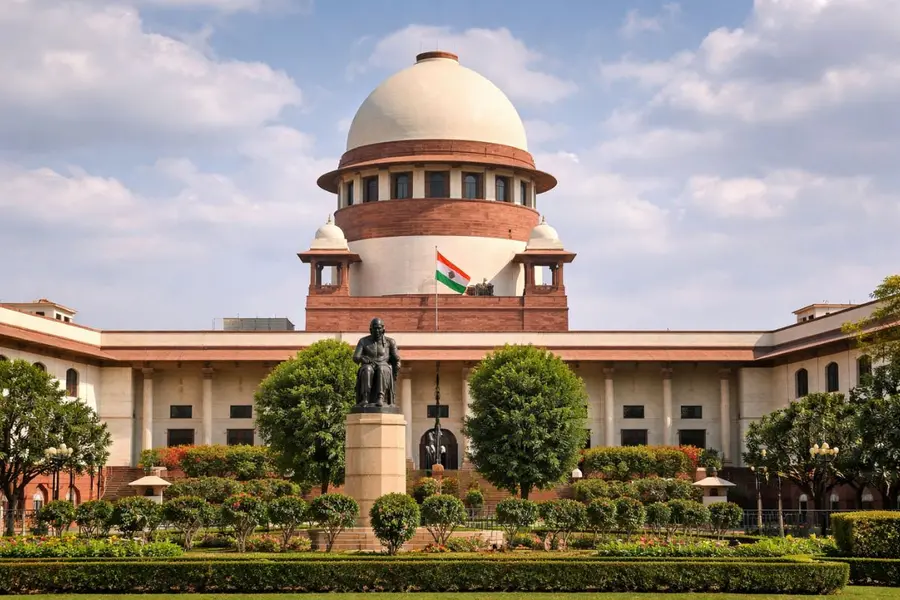
New Delhi: The Supreme Court has called on the Union government to consider bringing in a comprehensive law governing end-of-life care, highlighting what it described as a serious legislative gap in regulating medical decisions related to terminally ill patients.
The observation came while the court allowed passive euthanasia for 32-year-old Harish Rana, who has been in a permanent vegetative state for more than a decade. The bench said the prolonged absence of a statutory framework has repeatedly forced the judiciary to create guidelines to safeguard the constitutional right to live — and die — with dignity.
Also Read

Court says legal vacuum forces judicial intervention
Writing the judgment, Justice JB Pardiwala noted that the court had been compelled to intervene due to the absence of clear legislation on end-of-life care.
“The prolonged absence of a comprehensive legislation on end-of-life care has compelled this Court, time and again, to step in to fill the vacuum, out of constitutional necessity rather than institutional choice,” the court said.
The bench, which also included Justice KV Viswanathan, emphasised that the guidelines issued in earlier rulings were never meant to permanently replace legislation.
Reference to the Common Cause judgment
The court referred to the landmark Common Cause (2018) Constitution Bench ruling, which recognised the legality of passive euthanasia and allowed individuals to make advance directives or living wills regarding medical treatment at the end of life.
According to the court, these judicially framed safeguards were intended only as a temporary arrangement until Parliament enacted a detailed statutory framework.
“We urge the Union government to consider enacting a comprehensive legislation on the subject in consonance with the vision of the Constitution Bench in Common Cause (2018),” the court said.
Risks for patients and families
The Supreme Court warned that the continued absence of legislation leaves vulnerable patients and their families exposed to serious risks.
Without a clear legal framework, decisions about continuing or withdrawing life-sustaining treatment could be influenced by factors unrelated to medical judgment or patient autonomy.
“In the absence of a clear and comprehensive legislation, end-of-life decisions stand imperilled by the possibility that considerations wholly extraneous to medical science or the patient’s autonomy — most notably financial distress or lack of insurance coverage — may imperceptibly shape outcomes,” the court said.
Call for broader legislative debate
The bench emphasised that judicial guidelines are limited and cannot substitute a detailed law created through parliamentary debate and consultation with medical experts, ethicists and other stakeholders.
Calling legislative action an “imminent necessity”, the court noted that nearly eight years have passed since the 2018 Common Cause ruling, yet a comprehensive law governing end-of-life care has not been enacted.
The court said such legislation would provide clarity in handling complex medical, ethical and emotional issues surrounding terminal care while ensuring that patients’ dignity and autonomy remain protected.
Published: 12 Mar 2026, 11:08 am IST
Disclaimer: Kindly avoid objectionable, derogatory, unlawful and lewd comments, while responding to reports. Such comments are punishable under cyber laws. Please keep away from personal attacks. The opinions expressed here are the personal opinions of readers and not that of Mathrubhumi.