
Travellers to experience faster, eco-friendly travel, bypassing traffic and reaching destinations in minutes
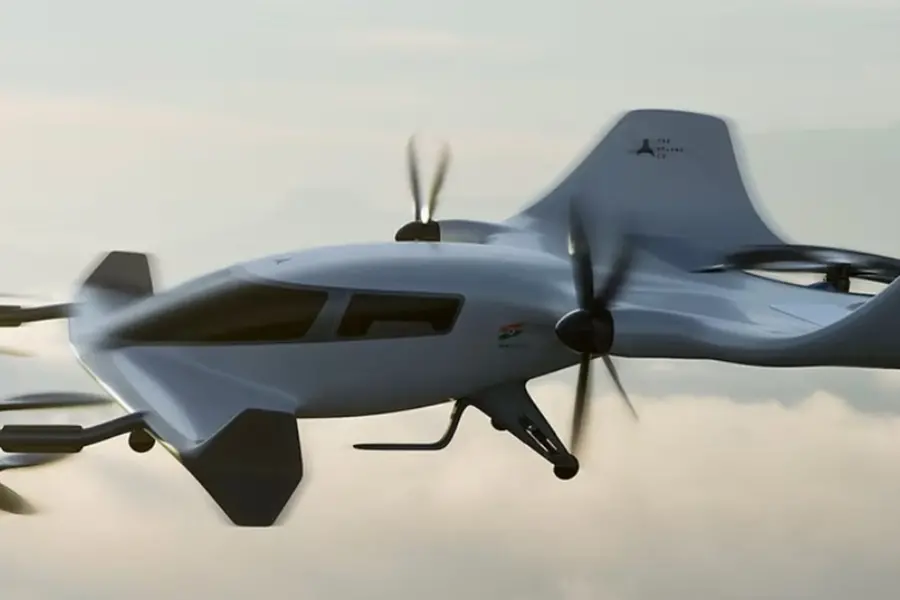
Goa, one of India’s most-loved holiday destinations, may soon become the first state in the country to offer aerial mobility for tourists.
As travellers prepare for the peak holiday season, a new initiative promises to change the way people move across the state, reducing travel time, easing congestion, and making holiday journeys smoother than ever before.
Bengaluru-based Sarla Aviation signed an MoU with the Government of Goa to explore the introduction of eVTOL (electric vertical takeoff and landing) aircraft across the state. If implemented, Goa will become India’s first Coastal Aerial Mobility State, using clean, quiet, zero-emission aircraft for short-distance travel.
For millions of tourists, the biggest challenge in Goa has always been the last leg of the trip. After landing at Dabolim or Mopa airports, travellers often spend hours stuck in road traffic before reaching their hotels, resorts, or beach destinations. Sarla Aviation’s eVTOL project aims to change that.
Under the proposed model, a passenger can land at the airport, walk to a dedicated departure pod, board a quiet electric aircraft, and reach their beachfront resort or hillside retreat within minutes, bypassing traffic entirely.
No noise pollution.
No tailpipe emissions.
No stress for travellers.
The state government and Sarla Aviation describe this not as a mass air taxi rollout but as a precision mobility system designed specifically for Goa’s sensitive coastal geography. The idea is to enhance the visitor experience while protecting the natural environment that makes Goa so special.
For a destination that attracts domestic and international travellers year-round, especially during Christmas, New Year, festival breaks, and long weekends, the project could redefine the holiday experience. Quick aerial transfers could mean shorter commute times, smoother itineraries, and easier access to remote beaches and boutique hotels that are currently hard to reach.
Goa’s tourism industry also stands to benefit. Faster travel could spread visitor movement across lesser-explored parts of the state, easing pressure on crowded hotspots and supporting sustainable tourism growth.
If this initiative succeeds, Goa could become a global example of how coastal tourism destinations adopt clean aerial mobility without disturbing fragile ecosystems. It may also inspire similar projects in Kerala, Lakshadweep, Andaman Islands, Puducherry, and other heritage-rich regions.
Goa has always been known for its sun, sand, culture, and hospitality. Soon, it may also be known for pioneering a new era of smart, sustainable travel — where your holiday begins the moment you land.
Published: 03 Dec 2025, 05:07 pm IST
Disclaimer: Kindly avoid objectionable, derogatory, unlawful and lewd comments, while responding to reports. Such comments are punishable under cyber laws. Please keep away from personal attacks. The opinions expressed here are the personal opinions of readers and not that of Mathrubhumi.
