
India launched massive airstrikes on Pakistan after a missile launch, prompting a US-brokered ceasefire. Near nuclear war averted.
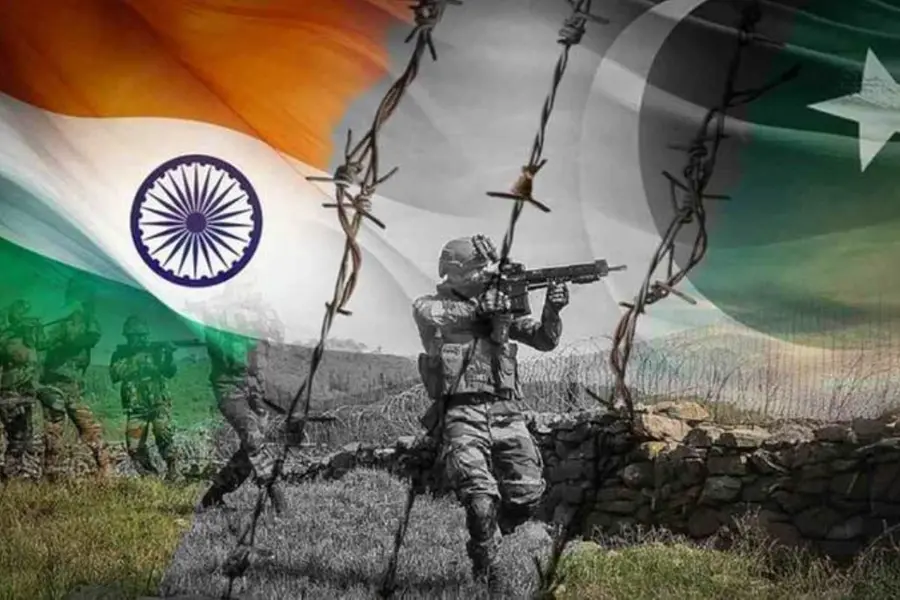
New Delhi: A dangerous chain of events triggered late Friday night nearly brought nuclear-armed neighbours India and Pakistan to the brink of full-scale war, before the United States brokered an urgent ceasefire the following day.
According to CNN, top Indian government sources confirmed that the large-scale retaliatory offensive, reportedly “even bigger in scale than Operation Sindoor”, conducted on May 7 was approved directly by Prime Minister Narendra Modi following Pakistan’s launch of a ballistic missile toward India.
India’s decisive response: 10 airbases struck
In a matter of 90 minutes, India executed a coordinated missile and airstrike campaign on ten major Pakistani airbases. Utilising BrahMos supersonic cruise missiles and precision-guided SCALP and HAMMER missiles, India pounded key installations inside Pakistani territory, including Nur Khan Airbase (near Rawalpindi), Rafiqui Airbase (Shorkot), Murid Airbase (Punjab), Sukkur Airbase (Sindh), Sialkot, Sargodha, Skardu, Bholari, Jacobabad and Pasrur airstrips.
The attack also neutralised Pakistan’s Chunian radar installation, cutting off a critical surveillance node.
According to The New York Times, alarm bells went off in Washington following the Indian strike on Nur Khan airbase, which is not only a central military transport hub for Pakistan but also lies dangerously close to the headquarters of the Strategic Plans Division — the wing responsible for securing and deploying Pakistan’s nuclear arsenal.
Strategic targets, deep impact
Nur Khan’s targeting seems a calculated move. It severed critical logistics and command links between the Pakistan Air Force (PAF) leadership and frontline operations. The base is frequently used for VIP transport and air refuelling operations, its destruction was a severe logistical blow.
Similarly, Rafiqui, a frontline combat base, was rendered inoperable. Indian strikes reportedly destroyed aircraft shelters and runways, grounding Pakistan’s offensive squadrons and severely limiting air counter-response capabilities.
At Murid Airbase, a vital pilot training and logistical support hub, strikes likely disrupted the PAF’s long-term operational readiness. Meanwhile, Sargodha Airbase home to Pakistan’s elite squadrons and nuclear-capable delivery platforms, was described as a “strategic masterstroke” by Indian sources, as its destruction crippled Pakistan’s air command structure.
In the north, the bombing of Skardu airbase weakened Pakistani surveillance near the Line of Actual Control and potentially compromised any China-Pakistan coordination in the region. In the south, the strikes on Sukkur and Bholari bases severed key logistical arteries. Bholari, a dual naval-air installation and symbol of future regional projection, was especially big; its loss leaves Karachi vulnerable to further offensive operations.
Why did the US intervene?
With both nations on high alert and fears of nuclear escalation escalating, U.S. diplomatic channels were swiftly activated. According to CNN, U.S. Vice President JD Vance made a direct call to PM Modi after a consultation with President Donald Trump. Vance urged Modi to consider de-escalation and establish direct communication with Pakistan.
Simultaneously, U.S. Secretary of State Marco Rubio placed an urgent call to Pakistan Army Chief General Asim Munir, reportedly telling him to “get off the accelerator.” CNN noted that the U.S. realised Munir, not Pakistan’s political leadership, was effectively calling the shots.
President Trump later posted on social media, praising the ceasefire as a “historic and heroic decision” by both countries. He warned of the potentially catastrophic consequences had escalation continued unchecked, noting “millions of good and innocent people could have died.”
Backdrop: Operation Sindoor and terror retaliation
The Friday night airstrikes came just days after India launched Operation Sindoor on May 7, a massive cross-border counter-terrorism operation following the April 22 terror attack in Pahalgam, which left 26 civilians dead. In that operation, Indian forces destroyed nine high-value terror launchpads deep inside Pakistan and Pakistan-occupied Kashmir, including targets in Bahawalpur and Punjab province.
These strikes were conducted hundreds of kilometres inside Pakistani territory, which reportedly jammed Pakistan’s air defences for up to 23 minutes.
Beyond the battlefield: Economic and diplomatic pressure maintained by India
India’s retaliation has not remained limited to military means. The government has also suspended the Indus Waters Treaty, placing Pakistan’s water access under review, a move with profound economic and humanitarian implications.
Final warning by India:
On Saturday, in a final warning, India has conveyed to the global community that any future terrorist attack will be viewed and responded to as an Act of War.
Published: 11 May 2025, 03:13 pm IST
Related Topics
Disclaimer: Kindly avoid objectionable, derogatory, unlawful and lewd comments, while responding to reports. Such comments are punishable under cyber laws. Please keep away from personal attacks. The opinions expressed here are the personal opinions of readers and not that of Mathrubhumi.
