
Musk's latest comments come as Starlink continues efforts to secure the necessary approvals to begin commercial operations in India.
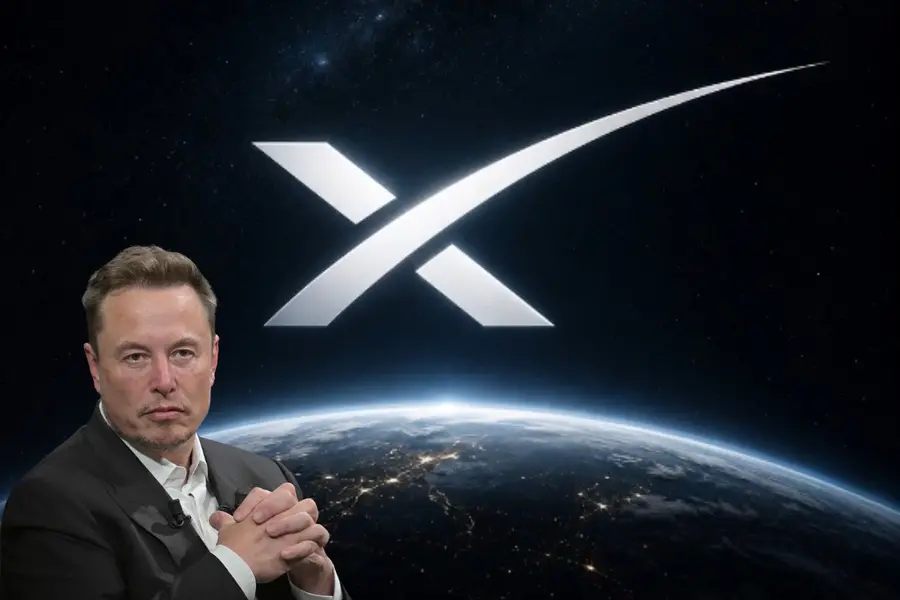
New Delhi: SpaceX CEO Elon Musk has rejected claims that insurgent groups in India were using Starlink satellite internet terminals, saying the company's satellite beams are currently switched off over the country.
"Starlink beams are turned off over India, so the claim that they were used by anyone for any reason is absolutely false," Musk said in a post on X.
Also Read

Musk was responding to a post by X user DogeDesigner, which referred to claims that Indian security forces had recovered Starlink terminals from insurgent groups operating near the Myanmar border in Manipur.
DogeDesigner's post argued that the reports did not make sense because Starlink's satellite beams remain switched off over India. It said devices could not connect to the Starlink network inside the country while the beams remain inactive, and noted that Musk himself had confirmed the status.
Starlink, SpaceX's satellite communications service, is seeking to launch commercial satellite broadband services in India.
What did Musk say about Starlink in India?
Musk's latest comments come as Starlink continues efforts to secure the necessary approvals to begin commercial operations in India.
The SpaceX CEO had previously spoken about the company's plans for the Indian market, at one point claiming that Starlink was being blocked by "oligarchs".
Responding to a DogeDesigner post outlining why India needs Starlink, Musk said:
"Unfortunately, we (Starlink) are being blocked by certain oligarchs in order to maintain their monopolistic chokehold on the Indian people. You can guess who they are … This is a crime against the people of India."
The post highlighted India's connectivity gaps and argued that satellite internet could provide an alternative for communities in remote areas where expanding fibre and mobile networks can be difficult.
"India needs Starlink. 11,256 of India's listed villages still lacked 4G coverage as of May 2026. India had 1.093 billion internet subscriptions in March 2026, but only 440.87 million were rural. Rural subscription density was 48.31 per 100 people, compared with 126.80 in urban India... Only 4.26% of India's internet subscriptions were wired connections in March 2026. Starlink could give underserved communities another route to high-speed broadband," the post read.
The post said Starlink could help connect remote villages, mountainous areas and islands where laying fibre or expanding mobile infrastructure is challenging.
It also pointed to possible applications in rural education, telemedicine and small businesses, saying improved connectivity could give underserved communities greater access to digital services.
"Portable Starlink terminals have supported disaster response around the world. They could give Indian emergency teams backup connectivity when floods, earthquakes or storms damage ground networks. Direct to Cell could also help ordinary 4G phones connect beyond tower coverage, subject to Indian approvals and mobile operator partnerships. The government itself identifies difficult terrain, low commercial viability and infrastructure constraints as reasons for remaining coverage gaps. This is exactly where Starlink could help India reach more people. India should complete the remaining clearances and spectrum allocation so Starlink can begin commercial service," the post said.
It also said Starlink was committed to supporting Prime Minister Narendra Modi's vision of 100 per cent connectivity.
"India's hardest-to-reach communities deserve reliable internet too," it said.
Starlink says India-specific security controls are in place
The latest controversy comes shortly after SpaceX executives highlighted the company's preparations to operate in India.
Speaking at India Mobile Congress 2026 on October 7, SpaceX Vice President of Starlink Business Operations Lauren Dreyer said the company had developed security measures specifically for the Indian market and had already established 20 gateway sites across the country.
"We've built our Starlink operations specifically for India in recognition of Indian security requirements and other regulations, establishing controls at every layer for India, and keeping Indian user data within India," she said.
"We've already made the investment and built the existing ground infrastructure here, 20 gateway sites comprising hundreds of antennas, and we've established the operations to be ready to serve India," Dreyer said, adding, "What India has achieved digitally is extraordinary."
Dreyer said Starlink had been working with Indian regulators, industry stakeholders and telecom operators for around five years to align its operations with the country's regulatory and security requirements.
She also said the company was ready to contribute to PM Modi's goal of universal connectivity, particularly by linking remote schools, supporting telemedicine and restoring communications following disasters.
"With Starlink, people can get connected within minutes, not years," she said.
Published: 08 Oct 2026, 06:47 am IST
ABOUT THE AUTHOR
Related Topics
Disclaimer: Kindly avoid objectionable, derogatory, unlawful and lewd comments, while responding to reports. Such comments are punishable under cyber laws. Please keep away from personal attacks. The opinions expressed here are the personal opinions of readers and not that of Mathrubhumi.