
The Swadeshi Jagran Manch (SJM), an affiliate of the Rashtriya Swayamsevak Sangh (RSS), asks the Centre to block Starlink’s entry into India over national security concerns and Elon Musk’s public comments against Mukesh Ambani.
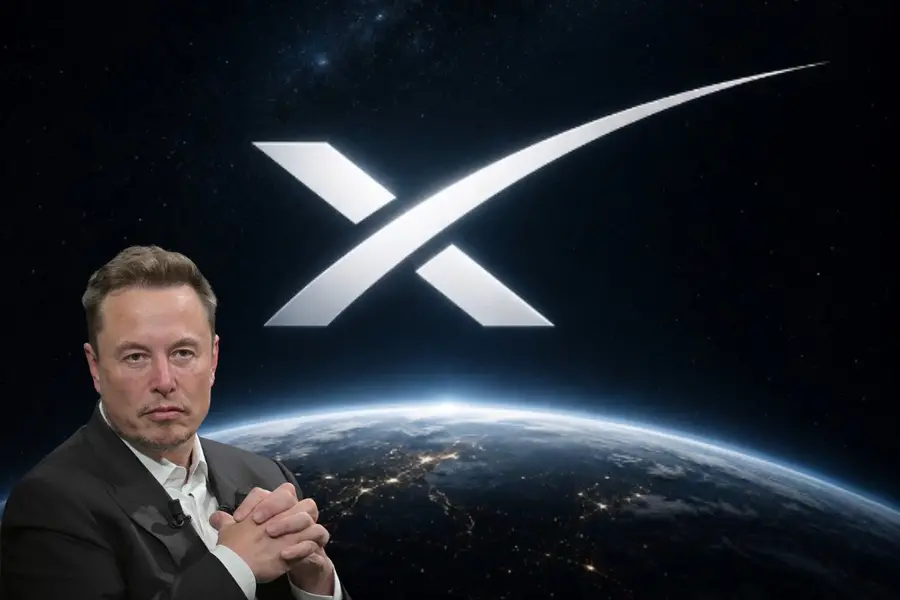
New Delhi: The Swadeshi Jagran Manch (SJM), an affiliate of the Rashtriya Swayamsevak Sangh (RSS), on Tuesday called on the Union government to withhold permission for Elon Musk’s Starlink to launch commercial satellite broadband operations in India. The group also strongly criticized "irresponsible" comments made by Musk targeting industrialist Mukesh Ambani and indirectly referencing the Indian government.
The developments follow Musk's intensified public criticism of Ambani on Saturday, where he shared media reports alleging that a Reliance-backed company aided social media campaigns for the Bharatiya Janata Party (BJP) and made substantial political contributions to the ruling party.
Earlier, Musk referred to Ambani as “Prime Minister Ambani” on platform X, accusing him of maintaining a monopoly and blaming him for the administrative delays surrounding Starlink's satellite service rollout in the country.
While Reliance has refrained from making public comments on Musk’s allegations, the Centre maintained that India’s regulatory and authorisation system for telecommunications and satellite services remains “fair and non-discriminatory”, dismissing any claims of selective treatment as “baseless and misconceived”.
Ashwani Mahajan, SJM national co-convenor, asserted that India is fully justified in denying Starlink operating rights if the firm fails to resolve the country's national security considerations.
“The organisation is of the firm belief that blocking Starlink would send a message to trade partners like the US … that India is certainly within its rights to block Starlink based on its genuine national security concerns,” he stated.
Condemning Musk’s statements, Mahajan noted that while Starlink has applied for a commercial satellite broadband license, the application remains under review and has neither been approved nor rejected.
“It is unfortunate that instead of responding to clarifications sought from his company, on national security grounds, Elon Musk has chosen to make allegations on Indian businesses and the government indirectly,” Mahajan said.
He further suggested that Starlink might be attempting to bypass regulatory hurdles by influencing public opinion or that Musk’s reactions stem from difficulty in meeting statutory obligations.
“It appears that Starlink is perhaps not prepared to meet those specific requirements. Consequently, it seems Elon Musk is either attempting to secure the licence by creating public pressure against the government or is making these statements out of frustration,” the SJM leader noted in a statement.
Highlighting internal security, Mahajan pointed out that authorities occasionally need to restrict internet access during critical situations to prevent unrest.
“Currently, India is grappling with various law-and-order challenges. In such situations, internet-based social media often fuels rumours and anti-national narratives. Disrupting internet services frequently becomes essential to maintain law and order during instances of separatism, terrorism, riots, protests, and similar events,” he remarked.
Mahajan voiced additional technical concerns, stating that Starlink’s inter-satellite laser links could allow Indian internet traffic to bypass domestic gateways via foreign infrastructure, complicating lawful surveillance and regulatory oversight.
“Government wants Indian traffic routed through gateways within India,” he emphasised.
He also warned that satellite-based connectivity could be exploited by hostile forces, insurgents and smugglers operating outside traditional telecom networks, noting that SJM's security apprehensions stem from incidents recorded across various nations, including Ukraine, Iran, Russia, China, Taiwan, South Africa, Brazil, Venezuela and Sudan.
Drawing comparisons to India's 5G rollout, Mahajan highlighted how SJM previously opposed the inclusion of Chinese firms like Huawei and ZTE on national security grounds.
“After SJM’s opposition, neither Huawei nor another Chinese firm, ZTE, were granted permission to conduct trials. Meanwhile, Indian companies and scientists, which had been working on developing 5G technology, ultimately developed 5G, popularly known as 5Gi,” he recalled.
Mahajan concluded that denying Starlink a license would not hinder India’s digital connectivity goals.
“If Elon Musk’s Starlink fails to get licence as it is unable to address the Indian government’s national security concerns, it does not mean India will not be able to provide satellite-based internet services. In fact, even if there is a slight delay in launching indigenous satellite-based internet services, we would still be able to offer services far cheaper than Starlink while ensuring national security,” he added, stating that blocking Starlink could instead bolster domestic satellite internet solutions and deliver affordable connectivity across remote regions.
PTI
Published: 13 Oct 2026, 09:04 pm IST
ABOUT THE AUTHOR

Disclaimer: Kindly avoid objectionable, derogatory, unlawful and lewd comments, while responding to reports. Such comments are punishable under cyber laws. Please keep away from personal attacks. The opinions expressed here are the personal opinions of readers and not that of Mathrubhumi.