
With the Tamil Nadu Assembly elections nearing, cracks appear in the DMK–Congress alliance as leaders exchange sharp remarks over seat-sharing and power-sharing, fuelling speculation of friction within the ruling coalition.
Chennai: With the Tamil Nadu Assembly elections approaching, murmurs of unease have surfaced within the DMK–Congress alliance, centring on seat-sharing calculations and the broader question of power-sharing.
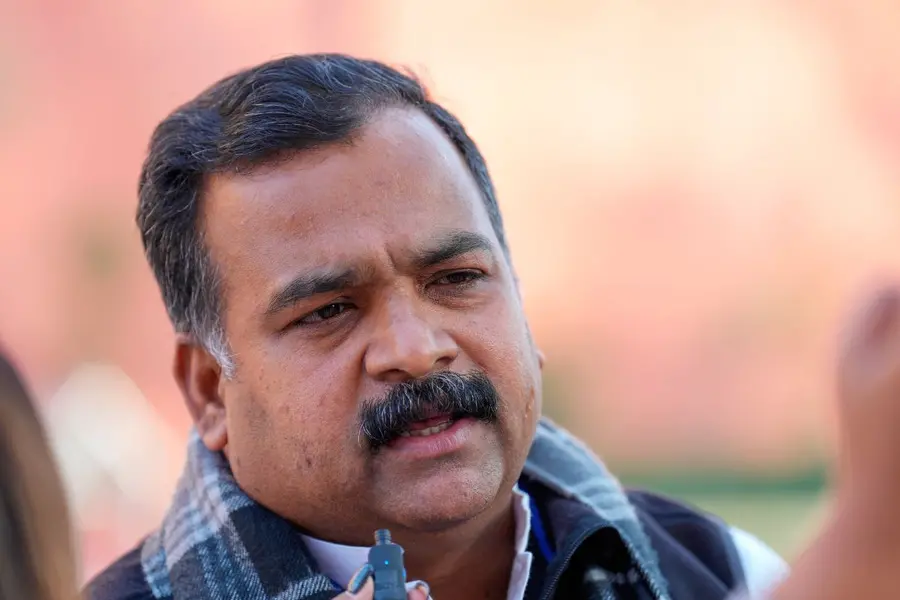
The latest trigger came from a social media post by Congress MP Manickam Tagore, which reignited debate over the arrangement between the two partners.
Also Read

The row began after Tamil Nadu Minister Raja Kannappan, addressing a public gathering, asserted that the DMK would field candidates in around 160–170 constituencies and expressed confidence of securing up to 160 seats.
Referencing the minister’s remarks, Tagore took to X with a pointed response. “In 2021, you contested 173 seats and won 133. We are asking about the seats where you lost,” he wrote, hinting at Congress’ expectations in the ongoing negotiations.
Tagore further underscored the Congress’s position on governance, stating that “power-sharing is essential” and describing a share in power as the party’s “right,” while adding that voters would ultimately decide.
The comments come against the backdrop of Chief Minister MK Stalin’s recent reiteration that Tamil Nadu would not see a coalition government after the elections.
Speaking at an event in Chennai earlier this week, Stalin affirmed that while the alliance with Congress would continue, there would be no power-sharing formula within the government, a statement seen as a firm rebuttal to demands from some Congress leaders for ministerial representation.
Soon after reports of Stalin’s remarks emerged, Tagore posted again, saying, “The people will decide whether it will be a coalition government or a single-party government,” while invoking the 2006 Assembly elections.
In that contest, the DMK had won 96 seats and Congress 34, enabling the formation of a coalition government. Tagore appeared to suggest that Congress should have pushed for a stronger role in governance at the time, given that the DMK fell short of an absolute majority.
Addressing speculation of discord on February 11, Stalin dismissed talk of friction within the alliance. He described the DMK–Congress partnership as “comfortable” and accused critics of attempting to manufacture confusion about a possible rift.
Tagore, however, countered the narrative, asking how seeking a share in governance could be construed as a “conspiracy.” As political activity gathers pace ahead of the polls, seat allocation and power-sharing are emerging as key themes shaping the alliance dynamics.
Published: 14 Feb 2026, 03:10 pm IST
Related Topics
Disclaimer: Kindly avoid objectionable, derogatory, unlawful and lewd comments, while responding to reports. Such comments are punishable under cyber laws. Please keep away from personal attacks. The opinions expressed here are the personal opinions of readers and not that of Mathrubhumi.