
The bill, introduced in the Lok Sabha on Friday by Minister of State for Commerce and Industry Jitin Prasada, proposes a series of amendments to the Delhi Municipal Corporation Act, 1957
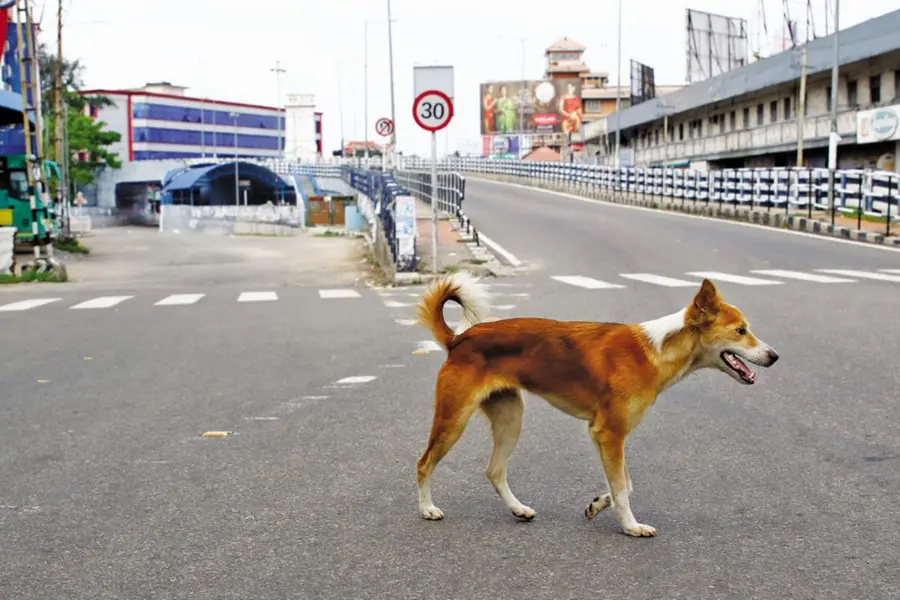
New Delhi: The fine for allowing a dog to roam in a public street without a leash, currently Rs 50 under the Delhi Municipal Corporation Act, 1957, could rise to Rs 1,000 if Parliament approves the Jan Vishwas (Amendment of Provisions) Bill, 2026.
The bill, introduced in the Lok Sabha on Friday by Minister of State for Commerce and Industry Jitin Prasada, proposes a series of amendments to the Delhi Municipal Corporation Act, 1957, significantly increasing penalties for a range of offences.
Under the proposed changes, fines for tethering cattle on public roads would increase from Rs 100 to Rs 1,000. Similarly, defacing or destroying house numbers, currently fined Rs 50, would also attract a Rs 1,000 penalty.
Other penalties would also see substantial rises. Discharging fireworks that could cause danger would increase from Rs 50 to Rs 500, while preventing municipal officials from entering premises would attract the same new fine.
ALSO READ | Buying and selling of pets, livestock in Kerala gets easier with new ‘LAPTOP’ App
Sanitation-related penalties are also being revised. Failing to arrange for garbage collection would rise from Rs 50 to Rs 500. Allowing filth to flow into the street and dumping rubbish in public areas, both currently fined Rs 50, would be raised to Rs 200 each.
Building-related violations would also face higher fines. Failure to vacate a dangerous structure when ordered would increase from Rs 200 to Rs 1,000, as would occupying a building without a completion certificate.
The general penalty under Section 465, applied to violations not specifically mentioned elsewhere in the Act, would rise from Rs 100 to Rs 500, with the daily continuing penalty increasing from Rs 20 to Rs 50.
Some provisions of the Act would be removed entirely. The highest current fine, Rs 10,000 plus Rs 500 per day for commencing building work without notice under Section 337(4), would be eliminated. Penalties for keeping a market open without a licence would be set at Rs 2,000, while fines for damaging street lamps and failing to notify births and deaths, currently Rs 50, would be either increased or dropped. Section 387, which allowed municipal sweepers to be imprisoned for up to a month for unauthorised absence, would be decriminalised and replaced with a Rs 500 civil penalty.
Conversely, certain minor offences would be upgraded to criminal liability. Depositing items in the street would move from a Rs 100 fine to imprisonment of up to six months and/or a Rs 5,000 fine. Erecting structures that obstruct streets and opening roads without permission would face the same penalties.
The bill also proposes shifting adjudication of most violations from criminal courts to municipal officers of at least the rank of assistant commissioner. Offenders would have a 30-day window to appeal, with a six-month deadline for disposal under proposed Section 461A.
Published: 28 Mar 2026, 05:35 pm IST
Related Topics
Disclaimer: Kindly avoid objectionable, derogatory, unlawful and lewd comments, while responding to reports. Such comments are punishable under cyber laws. Please keep away from personal attacks. The opinions expressed here are the personal opinions of readers and not that of Mathrubhumi.
