
Critics blame inadequate field monitoring, illegal human entry into reserves, and the failure to vaccinate domestic animals against diseases like canine distemper.
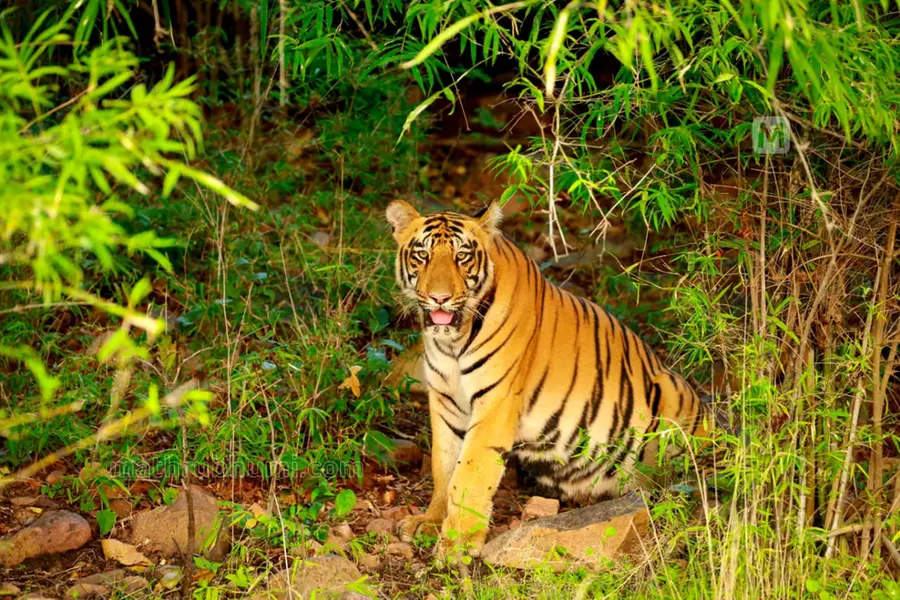
Bhopal: The deaths of a tigress and her cub at the Kanha Tiger Reserve (KTR) have brought the number of tiger fatalities in Madhya Pradesh to 27 this year, wildlife officials announced Thursday.
The tigress, estimated to be between 8 and 10 years old, and her 18-month-old cub died Wednesday while undergoing medical care. Wildlife veterinarian Dr Sandeep Agarwal stated that both animals had been placed in a quarantine facility for treatment prior to their deaths.
This incident follows the loss of the tigress’s three other cubs, which died between April 21 and 25 due to a combination of natural causes, drowning, and lung infections. The mother and her sole surviving cub were rescued from the Sarhi range last week, but ultimately succumbed at the quarantine centre.
Following a post-mortem examination, the remains were disposed of according to established wildlife protocols.
Escalating Mortality Rates
Madhya Pradesh, which houses nine tiger reserves and reported a nation-leading population of 785 tigers in the 2022 census, has seen a sharp rise in big cat deaths recently. The first fatality of 2026 was recorded on Jan. 7 at the Bandhavgarh Tiger Reserve.
Of the 27 deaths reported this year, 12 have occurred since April 2, according to official data.
Concerns Over Field Monitoring
The spike in mortality has drawn criticism from environmental advocates. Ajay Dubey, a Kanha-based wildlife activist, argued that a lack of field presence by senior staff has compromised the safety of the animals.
"The rangers and lower staff of Madhya Pradesh's tiger reserves mostly live in faraway big cities, hence there is no strict monitoring in the field," Dubey claimed.
He further noted that illegal human activity within the reserves, such as villagers entering with domestic dogs to collect forest produce, such as Mahua and Tendu leaves, significantly increases the risk of disease transmission.
"Despite instructions of the National Tiger Conservation Authority (NTCA), vaccination of dogs, cows, bulls and goats within a 5-km radius of the tiger reserve is not done seriously, and big cats die due to canine distemper virus (CDV)," Dubey asserted.
Government officials have not yet released specific data confirming whether the recent deaths were linked to viral infections, though the investigation into the underlying causes remains ongoing.
With inputs from PTI
Published: 01 May 2026, 01:04 pm IST
Related Topics
Disclaimer: Kindly avoid objectionable, derogatory, unlawful and lewd comments, while responding to reports. Such comments are punishable under cyber laws. Please keep away from personal attacks. The opinions expressed here are the personal opinions of readers and not that of Mathrubhumi.
