
On fuel prices, sources pointed out that petrol prices rose by around 55 per cent in Pakistan, 22 per cent in Germany, 19 per cent in France and 11.54 per cent in the United States during the same period, while India recorded an increase of less than 1 per cent
New Delhi: As India looks to further strengthen its energy security by diversifying supply sources, countries such as Australia and Canada have offered additional natural gas supplies, official sources said on Saturday.
Amid global tensions triggered by the ongoing US-Israel conflict with Iran and concerns over the possible closure of the strategic Strait of Hormuz shipping route, sources emphasised that India’s crude import system is no longer dependent on a single maritime chokepoint.
They noted that only around 40 per cent of India’s crude imports pass through the Strait of Hormuz, while the remaining 60 per cent are routed through alternative supply routes that remain unaffected.
Also read | Petrol, LPG price hike: Check latest fuel rates in Mumbai, Delhi and other cities (March 7, 2026)
According to sources, India’s diversified sourcing strategy has ensured that disruptions in any single corridor lead only to manageable adjustments in procurement rather than a supply crisis.
Supplies from Russia, West Africa, the Americas, Central Asia, and non-Gulf Middle Eastern routes have played a crucial role in maintaining stable supplies, they said.
“This has ensured that there has been no shortage of energy for Indian consumers even during global turmoil or the pandemic,” the sources added.
Several countries, including Australia and Canada, have offered to provide additional gas supplies, while India continues to explore alternative sources to further strengthen its long-term energy security.
India has also recently entered into new energy supply arrangements with partners such as the United States and the United Arab Emirates to ensure stable and reliable supplies over the long term.
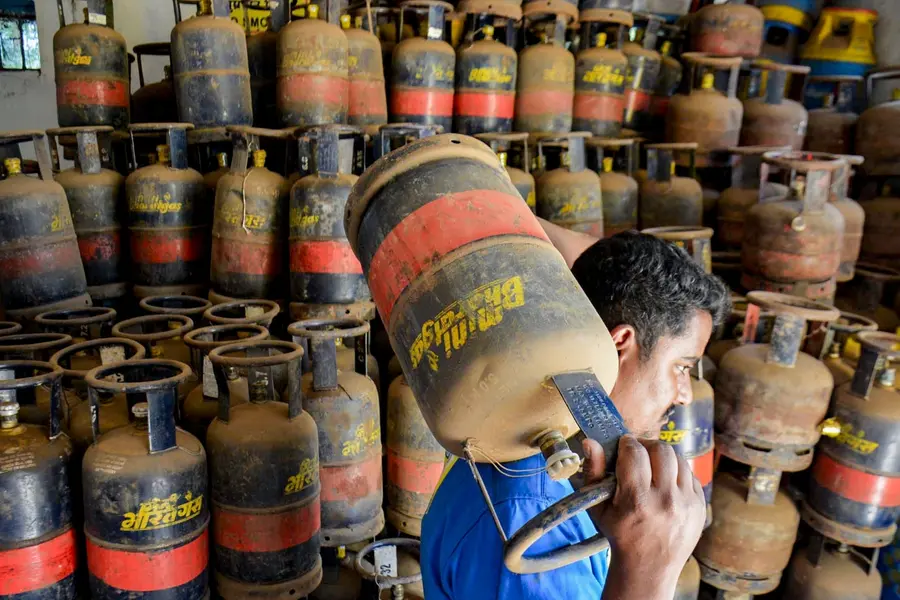
Also read | LPG price hike: Why cooking gas in India is becoming costlier amid West Asia conflict?
Over the past decade, India’s strategic oil diplomacy has significantly expanded its supplier base, from 27 countries to 40 countries across six continents.
“The days when India's energy security rose and fell with conditions in a single maritime chokepoint are over,” sources said.
Officials stressed that India’s energy procurement decisions are driven primarily by national interest.
“We source crude from wherever supplies are available, competitively priced, and deliverable, and we will continue to do so. This has been our consistent position across administrations and across geopolitical cycles,” a senior government official said, adding that the recent US statements are meant for the country’s domestic audience.
US Treasury Secretary Scott Bessent on Friday announced a 30-day waiver allowing Indian refiners to continue purchasing Russian oil, describing India as an essential partner.
India has complied with all 18 rounds of G7 price cap regulations since they were introduced, the sources said.
According to officials, the waiver removes a friction that was not beneficial to any side and acknowledges the stabilising role India’s refining capacity and procurement practices have played in global energy markets.
India also remains in regular contact with major global crude oil and gas suppliers as well as international energy bodies such as the International Energy Agency (IEA) and the Organisation of the Petroleum Exporting Countries (OPEC), sources added.
“India acted within international law throughout. Every transaction used compliant shipping, audited channels, and legal traders. India did not break the rules. India stabilised markets and the record of global crude prices during a period when India was actively procuring is the clearest evidence of that,” the official said.
Sources further noted that government decisions in the petroleum sector are guided by three key principles — affordability, availability and sustainability.
“These are not aspirations; they are operational commitments with auditable outcomes,” they said.
On fuel prices, sources pointed out that petrol prices rose by around 55 per cent in Pakistan, 22 per cent in Germany, 19 per cent in France and 11.54 per cent in the United States during the same period, while India recorded an increase of less than 1 per cent. PTI
Published: 07 Mar 2026, 02:48 pm IST
Related Topics
Disclaimer: Kindly avoid objectionable, derogatory, unlawful and lewd comments, while responding to reports. Such comments are punishable under cyber laws. Please keep away from personal attacks. The opinions expressed here are the personal opinions of readers and not that of Mathrubhumi.
