
Rising geopolitical tensions in the West Asia are driving global energy uncertainty, pushing up domestic cooking gas prices in India
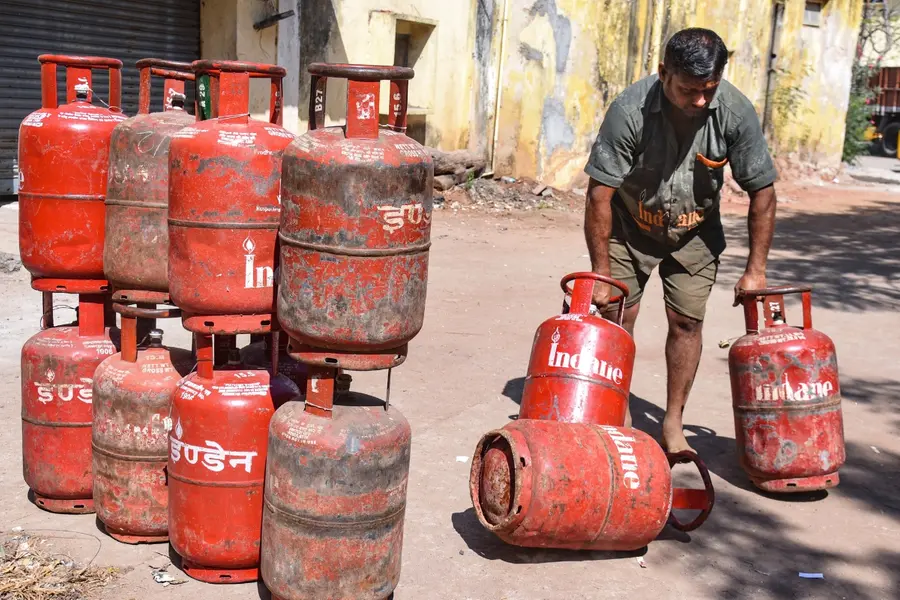
Cooking gas prices in India have been increased amid concerns that the ongoing conflict in the West Asia is tightening global energy supply conditions. The price of a 14.2 kg domestic LPG cylinder has risen by ₹60, while the price of a 19 kg commercial cylinder has increased by ₹115, effective from March 7, 2026.
Industry sources indicated that the hike is linked to fluctuations in international crude oil and gas markets triggered by military tensions in the region. The escalation of conflict risks affecting shipping routes and energy trade flows, adding pressure to import-dependent fuel pricing.
Also Read

Here are the new LPG cylinder rates effective from today:
Domestic LPG (14.2 kg cylinder)
- Delhi: ₹913
- Mumbai: ₹912.50
- Kolkata: ₹930
- Chennai: ₹928.50
- Kochi: ₹920
Commercial LPG (19 kg cylinder)
- Delhi: ₹1,883
- Mumbai: ₹1,835
- Kolkata: ₹1,990
- Chennai: ₹2,043.50
Note: Pradhan Mantri Ujjwala Yojana beneficiaries continue to receive a ₹300 subsidy per domestic cylinder for up to 12 refills annually.
The government has stated that there is currently no domestic fuel shortage. Petroleum authorities said supply chains remain stable, supported by diversified import sources, including increased crude oil imports from Russia and direct LPG shipments from the United States.
Officials also reassured consumers that measures have been taken to protect fuel availability even if maritime routes such as the Strait of Hormuz face disruption risks. The Union government maintains that energy security remains a priority, and consumers need not worry about supply shortages.
The price revision marks the second major LPG adjustment since April 2025. While subsidy beneficiaries under the Pradhan Mantri Ujjwala Yojana continue receiving ₹300 subsidy per cylinder for up to 12 refills annually, the overall increase is expected to add pressure to household and business expenses.
Economists noted that persistent instability in West Asia could keep global energy prices volatile, which may lead to further revisions in fuel pricing. However, authorities emphasised that India’s diversified import strategy is aimed at limiting the impact of international conflict on domestic consumers.
Cooking gas prices in India are rising mainly due to global energy market pressure triggered by geopolitical tensions in the West Asia, where ongoing military conflict risks disrupting oil and gas trade routes.
1. Global supply uncertainty
The conflict has increased fears of supply disruption in major energy shipping corridors such as the Strait of Hormuz. India imports a large share of its LPG and crude oil requirements, making domestic pricing sensitive to international market movements.
2. Rise in international crude and gas prices
Energy prices in global markets have surged because of war-related risk premiums. The cost of imported fuel influences pricing decisions by Indian oil marketing companies.
3. Import-dependent energy structure
India relies on external sources for cooking gas supply. Authorities have expanded diversification of imports, including shipments from Russia and the United States to reduce vulnerability.
4. No domestic supply shortage
The government has clarified that there is currently no fuel shortage. Officials stated that supply chains remain stable and consumers should not panic.
5. Impact on household inflation
The ₹60 hike in 14.2 kg domestic LPG cylinders and ₹115 increase in commercial cylinders may raise monthly household and business expenses. However, subsidy support under Pradhan Mantri Ujjwala Yojana continues for eligible beneficiaries.
Will prices rise further?
Energy analysts suggest that if geopolitical tension in West Asia persists, LPG and crude oil prices may remain volatile. Future price changes will depend on global conflict intensity, shipping safety, and international fuel demand.
Overall, the price hike reflects the connection between international geopolitical stability and domestic energy costs in import-dependent economies like India.
Published: 07 Mar 2026, 07:51 am IST
Related Topics
Disclaimer: Kindly avoid objectionable, derogatory, unlawful and lewd comments, while responding to reports. Such comments are punishable under cyber laws. Please keep away from personal attacks. The opinions expressed here are the personal opinions of readers and not that of Mathrubhumi.