
Union Home Minister Amit Shah has defended the government’s delimitation proposal in the Lok Sabha, stating that southern states will see an increase in representation while dismissing concerns over reduced influence.
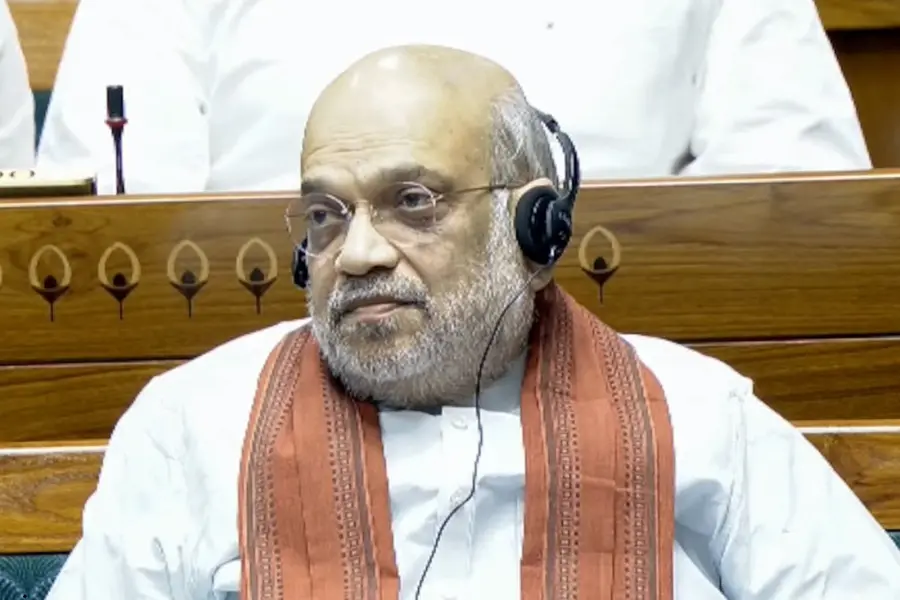
New Delhi: The special Parliament session has seen a sharp debate on the Women’s Reservation Bill and the Delimitation Bill, with Union Home Minister Amit Shah defending the government’s proposals and rejecting Opposition concerns over reduced representation for southern states.
Amit Shah told the Lok Sabha that southern states will not lose political weight under the proposed delimitation exercise. He said the “false narrative” being spread is incorrect and clarified that representation from the five southern states will increase from 129 to 195 seats, marking a rise of nearly 50 per cent.
Also Read

How will Lok Sabha seats change?
Shah gave state-wise projections, saying Karnataka’s seats will rise from 28 to 42, Andhra Pradesh from 25 to 38, Telangana from 17 to 26, Tamil Nadu from 39 to 59, and Kerala from 20 to 30. He said this expansion ensures that no state loses seats in absolute terms while the total size of the House increases.
Why is the Lok Sabha being expanded?
The government has proposed increasing the strength of the Lok Sabha to around 816 seats to implement 33 per cent women’s reservation without reducing existing representation. Shah said the figure of 850 mentioned in discussions is only a rounded estimate, while the actual model is based on proportional expansion.
He also clarified that women’s reservation will come into effect from the 2029 general elections, and until then all elections will continue under the current system.
What is the issue with delimitation and population?
The debate also centres on how population will be used to redraw constituencies. Opposition parties have raised concerns about fairness and federal balance, while the government says the process will follow constitutional rules and remain transparent.
Opposition leaders argue that even if total seats increase, the share of representation between states could still change over time. States with slower population growth may not gain as many seats as faster-growing states, which could affect their relative influence in Parliament.
What is the core debate?
The main issue is not just whether states gain or lose seats, but how representation is balanced across India’s federal structure. Supporters say the plan ensures fairness and women’s representation, while critics worry it could slowly change the political weight of different regions.
What Amit Shah said in Parliament
Rejecting Opposition claims, Amit Shah strongly said that southern states will not be harmed by the plan. He told the House that “the biggest narrative being created is that these three bills… will harm the power of the South,” and added that in the new structure, “there will be about 50 per cent increase in their seats” and their share will remain stable.
He also said that the “delimitation bill is exactly like the previous law brought by your government. There is no change, not even a comma or a full stop.”
On elections and timing, he made it clear that “all elections till 2029 parliamentary polls… will be conducted under the present system as the women’s reservation will be applicable only in 2029.”
Amit Shah’s argument is that no state will lose seats in absolute terms because the Lok Sabha is being expanded. However, the political debate continues over whether changes based on population could still affect the long-term balance of representation between states.
Published: 16 Apr 2026, 08:30 pm IST
Disclaimer: Kindly avoid objectionable, derogatory, unlawful and lewd comments, while responding to reports. Such comments are punishable under cyber laws. Please keep away from personal attacks. The opinions expressed here are the personal opinions of readers and not that of Mathrubhumi.