
Air India admits systemic failures after an Airbus A320 flew 8 commercial flights without a valid airworthiness certificate
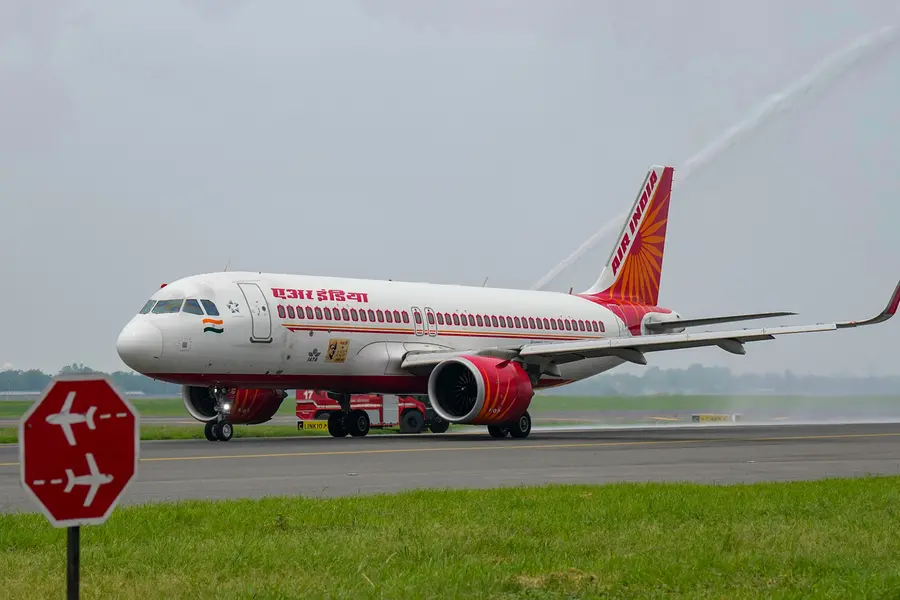
Air India has found serious lapses in its internal processes after one of its Airbus A320 aircraft operated eight commercial flights without a valid airworthiness certificate, a mandatory permit issued by India’s aviation regulator.
The airline’s internal investigation report, reviewed by Reuters, says the incident happened on November 24 and 25, when the aircraft flew passengers between Delhi, Bengaluru, Mumbai and Hyderabad even though its Airworthiness Review Certificate (ARC) had expired. The ARC is a crucial document that must be renewed every year after a detailed inspection by the Directorate General of Civil Aviation (DGCA).
The report found that engineers failed to verify whether the ARC had expired, also pilots did not check the aircraft’s documents before taking off, which is part of standard operating procedures.
These communication gaps meant key information was not passed to the right teams.
This allowed the aircraft, registered VT-TQN, to be released for a test flight after both engines were changed, without the special permit required for such a flight. The same oversight continued during the eight commercial flights that followed.
The report described the situation as a “convergence of multiple organisational and process deficiencies”, pointing to deeper issues rather than an isolated mistake.
In a cover letter signed by Chief Operations Officer Captain Basil Kwauk, the airline admitted that the incident shows the need for better discipline, stronger processes, and a more serious compliance culture. “Critical information was not shared… opportunities for timely intervention were missed,” the report stated.
Air India said that it proactively reported the matter to the DGCA and had already taken corrective action. Some staff members involved have been suspended, and the airline has promised to strengthen its systems to prevent repetition. The DGCA has grounded the aircraft and is reviewing the findings. Airbus did not comment.
Following the discovery, Air India’s Director of Flight Operations issued a warning to all pilots on December 1, reminding them to strictly check all documents before every flight, including the ARC, cargo manifest and navigation charts. The email noted that failure to follow rules would lead to disciplinary action.
The incident comes at a time when India’s aviation industry is facing multiple challenges. IndiGo has cancelled thousands of flights in recent weeks due to operational issues, causing chaos at airports. Together, IndiGo and Air India control over 90% of India’s domestic aviation market, increasing scrutiny on their safety and reliability.
Published: 10 Dec 2025, 09:48 pm IST
ABOUT THE AUTHOR

Related Topics
Disclaimer: Kindly avoid objectionable, derogatory, unlawful and lewd comments, while responding to reports. Such comments are punishable under cyber laws. Please keep away from personal attacks. The opinions expressed here are the personal opinions of readers and not that of Mathrubhumi.