
The Tamil Film Active Producers Association (TFAPA) has sparked a heated debate, clashing with YouTube channels that cover movies. In a bold statement, TFAPA has taken a strong stance against these YouTubers, urging theatre owners to deny them access to cinema halls. They are also exploring legal options to regulate online reviews, especially during a film’s early release days.
Call for action against malicious reviews
TFAPA’s statement, shared on its official X account, condemned YouTube reviews that include personal attacks and malicious commentary. The four-page letter calls for unity among industry bodies to fight back against such practices.
“A review should be a view, not a personal attack,” said T Siva, the General Secretary of TFAPA, in an interview with The Times of India.
“People these days hold grudges against a particular movie or star and get personal. They tell everyone not to watch the film. This cannot be considered a review,” he added.
Impact on films
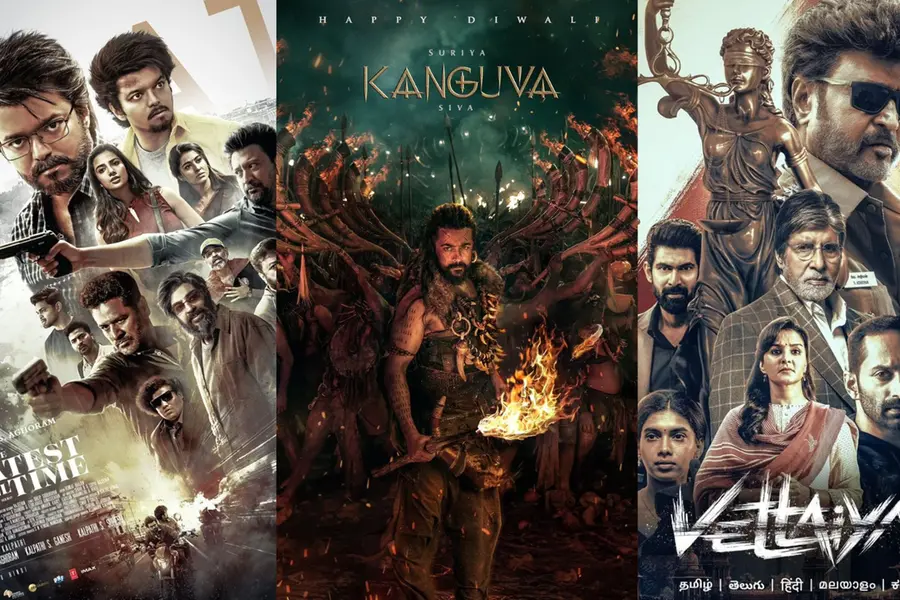
TFAPA also highlighted films that they believe were harmed by such reviews. According to the association, movies like Indian 2, Vettaiyan, and Kanguva have faced backlash due to these online critiques, causing financial losses for the producers.
The statement urges all associations in the film industry to unite against these practices.
“As a first step, theatres should avoid letting such channels seek the views of the audience on their premises,” TFAPA’s letter stated.
The Kanguva controversy
This statement comes just days after the Suriya-starrer Kanguva was heavily criticised on social media. The film faced widespread trolling even before its release, which upset the actor’s wife, Jyotika. She condemned the negativity surrounding the movie on X, expressing her frustration that such attacks started before the movie even hit the screens.
YouTube critics cross the line
The producers have made it clear that while critics have the right to review movies, there is a fine line between criticism and malice.
“Critics should not spread hatred through their reviews,” the statement reads.
It also slammed some YouTube channels for crossing boundaries with personal attacks.
“We saw an old man not just sharing his opinion about Kanguva but also attacking the actor personally. This is completely unacceptable,” the letter emphasised.
A wider issue in Indian Cinema
This issue is not limited to Tamil cinema. Reports suggest that Telugu producers are also calling for a ban on YouTube reviews. Dil Raju, a prominent producer from Telugu cinema, has spoken about how these reviews negatively impact film collections. The debate over YouTube reviews and their effect on the film industry is becoming a hot topic across regional film industries.
Kerala’s stand on online reviews
In 2023, the Kerala High Court issued a directive to stop social media influencers, YouTube reviewers, and bloggers from posting reviews for seven days after a film’s release. This move came after a plea by Mubeen Rauf, the director of Aromalinte Adyathe Pranayam, and the Producers’ Association. The court’s decision highlights the growing concern over the impact of online reviews on a film’s success.
The rise of “Review Bombing”
A new term, “review bombing,” has emerged to describe the phenomenon where films receive a sudden influx of negative reviews, often fueled by personal grudges or vendettas. Allegations have surfaced that some YouTubers and influencers blackmail filmmakers, demanding money to write positive reviews or to avoid publishing negative ones.
This practice, which the Kerala High Court has acknowledged as a serious issue, has raised concerns about the fairness and integrity of online reviews.
Published: 24 Nov 2024, 12:23 pm IST
Related Topics
Disclaimer: Kindly avoid objectionable, derogatory, unlawful and lewd comments, while responding to reports. Such comments are punishable under cyber laws. Please keep away from personal attacks. The opinions expressed here are the personal opinions of readers and not that of Mathrubhumi.
