
As Netflix’s most recognisable science-fiction series heads towards its final episode, viewers are asking why Stranger Things remains so heavily hyped — and whether season 5 lives up to years of expectation.
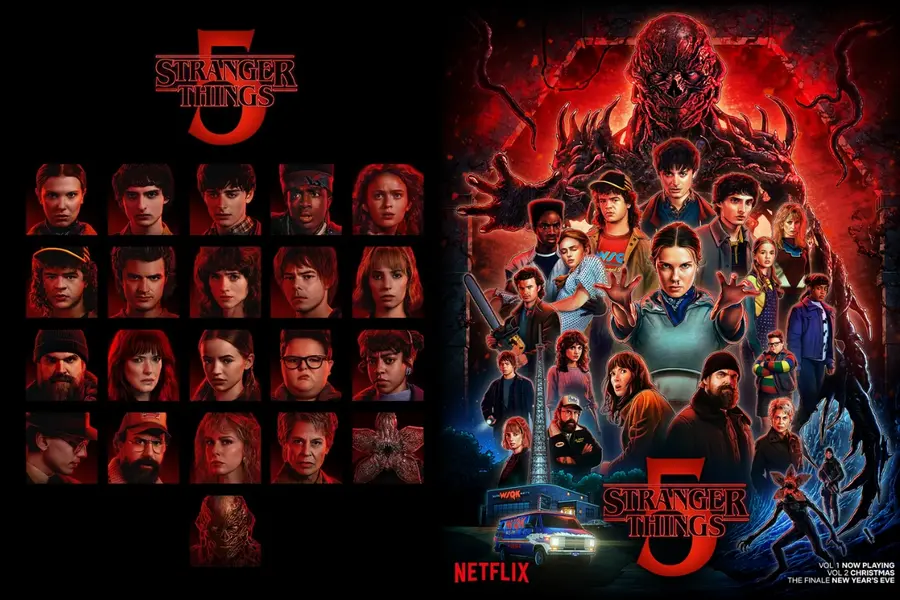
Stranger Things has been one of Netflix’s biggest global phenomena since its debut in 2016, combining 1980s nostalgia, supernatural horror and coming-of-age drama into a pop-culture juggernaut. Over nearly a decade, the series shattered streaming records, launched global stars and built an intensely loyal fanbase invested as much in its characters as in its monsters.
The hype around season 5 is driven largely by its status as the show’s final chapter. Netflix has positioned the season as a grand farewell to Hawkins, promising long-awaited answers about the Upside Down, Vecna and the fate of its central characters. Years of delays, heightened by the pandemic and industry strikes, only intensified anticipation, turning the final season into an event rather than just another release.
Also Read

Season 5 follows directly from the explosive ending of the previous instalment, with Hawkins left fractured and the threat of Vecna looming large. While expectations were high for rapid narrative escalation, the newly released episodes adopt a slower, more reflective pace. Much of the season focuses on regrouping, emotional reckoning and setting the stage for the finale, rather than delivering constant twists or large-scale action.
This deliberate pacing has divided audiences. Some viewers see it as necessary groundwork for a meaningful conclusion, while others feel the story treads water, saving its biggest moments for the final episode. The structure has reinforced the sense that season 5 is less about surprise and more about closure.
What continues to work strongly in the show’s favour is its emotional core. The relationships between characters — particularly long-standing bonds such as Dustin and Steve — remain a major draw. Performances, especially from Sadie Sink as Max and the ensemble cast, sustain audience engagement even when the plot slows. These quieter, character-driven moments highlight why Stranger Things resonated in the first place.
Visually, the series maintains blockbuster production values, with elaborate set pieces and polished effects that reflect Netflix’s long-term investment in the franchise. However, heavy exposition and repeated explanations of the show’s mythology have drawn criticism, with some viewers feeling the storytelling underestimates the audience’s familiarity with the world.
So, is season 5 worth watching? For long-time fans, the answer is largely yes. While the season may test patience and fall short of the show’s earlier narrative momentum, it offers emotional payoff, character resolution and the promise of a definitive ending. New viewers may find the final season overwhelming without prior investment, but for those who grew up with Hawkins, the final journey carries undeniable weight.
Ultimately, the hype around Stranger Things season 5 reflects not just the show itself, but nearly ten years of audience attachment. Whether the finale soars or stumbles, the series has already secured its place as one of Netflix’s most influential originals — and that legacy is what keeps viewers watching until the very end.
Published: 26 Dec 2025, 02:45 pm IST
Related Topics
Disclaimer: Kindly avoid objectionable, derogatory, unlawful and lewd comments, while responding to reports. Such comments are punishable under cyber laws. Please keep away from personal attacks. The opinions expressed here are the personal opinions of readers and not that of Mathrubhumi.