
K-pop star Jungkook surprised fans with an unscripted livestream discussion about personal struggles, career pressure and his desire to speak more openly
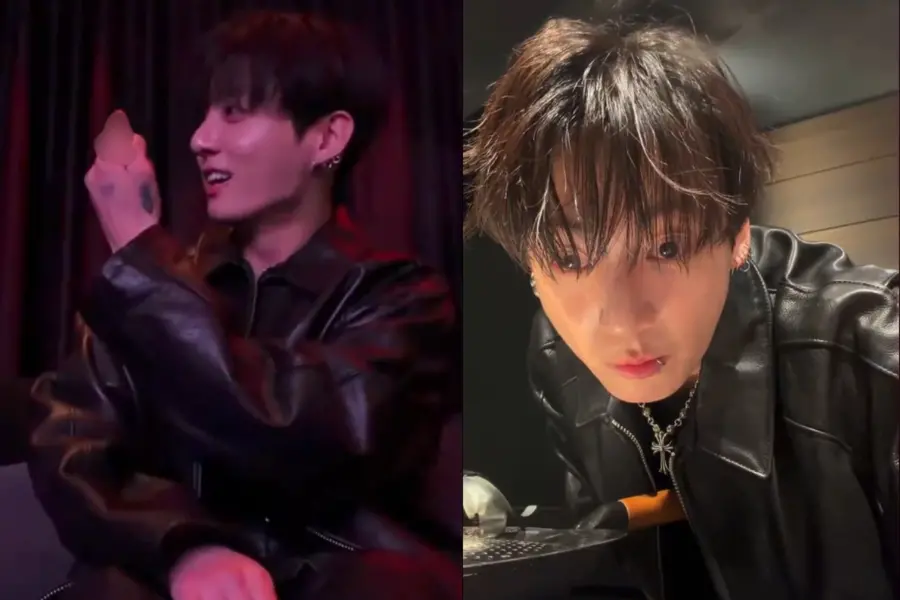
BTS member Jungkook has triggered widespread discussion after an unsanctioned livestream where he spoke openly about smoking, career pressure and personal honesty.
The 88-minute livestream, which was later removed from the platform Weverse, saw Jungkook speaking candidly about his career, personal habits and industry pressures.
Also Read

During the broadcast, Jungkook discussed past smoking behaviour, saying he had made significant efforts to quit. He said he was 30 in context and wanted to speak honestly about the issue, although he suggested company restrictions made public discussion difficult.
He also expressed frustration about being unable to talk freely about certain personal topics. At one point, he referenced management pressure, implying tension with HYBE Corporation regarding public statements.
The singer said he is committed to music and performance partly because of fan support rather than personal freedom.
Jungkook remarked that if he were an independent solo artist, he would likely speak more openly about his life and experiences.
He also mentioned that he does not regularly listen to music, explaining that he sometimes listens only to avoid falling behind in his profession.
The livestream included emotional and blunt remarks, occasionally using strong language, which drew mixed reactions from fans in South Korea, where celebrities are often expected to maintain strict public behaviour standards.
Some supporters expressed concern that industry control may limit artist expression, while others criticised the drinking and language used during the broadcast.
The broadcast occurred shortly before the planned release of the upcoming album “Arirang” by BTS, scheduled for March 20, following a long group hiatus.
Fans shared clips of the livestream widely on social media, amplifying discussion about celebrity freedom, corporate management in K-pop, and public expectations.
Entertainment analysts note that K-pop artists often operate under strict image management systems, which can create tension between personal expression and professional branding.
The incident highlights ongoing debates about artist autonomy in the K-pop industry and the balance between fan engagement, corporate control and public scrutiny.
Published: 26 Feb 2026, 12:42 pm IST
Disclaimer: Kindly avoid objectionable, derogatory, unlawful and lewd comments, while responding to reports. Such comments are punishable under cyber laws. Please keep away from personal attacks. The opinions expressed here are the personal opinions of readers and not that of Mathrubhumi.