
Reports suggest Allu Arjun may base himself in Mumbai for the next few years as he prepares for Atlee’s ambitious sci-fi film Raaka.
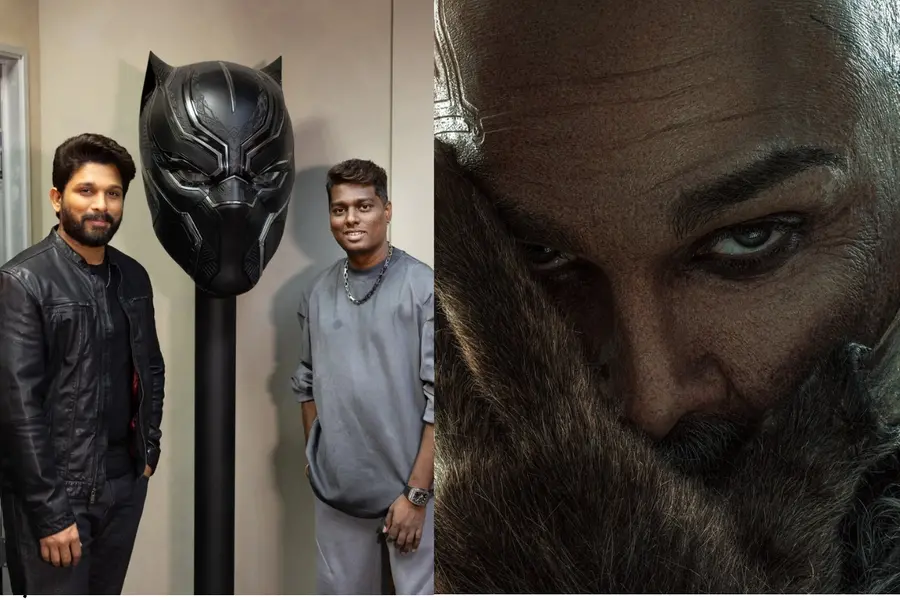
Allu Arjun is reportedly making a strategic shift to Mumbai as he prepares for director Atlee’s ambitious sci-fi project Raaka, which is expected to be one of the biggest pan-India films in development.
According to industry buzz, the actor’s extended stay in Mumbai is linked to the demanding scale of the film’s production, which involves heavy visual effects, prosthetic work, and a tightly coordinated shooting schedule.
Also Read

Focus on high-scale production
The film, directed by Atlee and backed by a major production house, is said to feature a complex storyline involving multiple timelines and a large ensemble cast. Reports suggest that the scale of the project requires continuous coordination between actors, technical teams, and international VFX studios.
To streamline production, the decision to stay closer to the primary shooting and post-production hubs in Mumbai is seen as a practical move rather than a permanent relocation.
Allu Arjun is also reportedly undergoing extensive transformation work for his role, which includes long hours in prosthetic makeup. The process is said to take several hours daily, making proximity to the set important for efficiency and recovery.
The demanding preparation schedule is understood to be one of the key reasons behind reducing long-distance travel between cities during the shoot period.
Star-studded cast and large-scale vision
Raaka is expected to feature a prominent ensemble cast, including several leading actors from across Indian cinema. The film is being positioned as a high-concept sci-fi entertainer with strong visual storytelling and large-scale action sequences.
The project has generated significant interest due to its combination of star power, advanced VFX work, and Atlee’s expanding cinematic vision following his previous successful ventures.
Pan-India production approach
The move also reflects a broader trend in Indian cinema, where large-scale productions are increasingly being developed as pan-India projects. With complex schedules and multiple shooting locations, actors and technicians are often required to remain close to production hubs for extended periods.
Industry observers note that such arrangements are becoming more common as films aim for global-scale releases and technically advanced storytelling.
Published: 20 Apr 2026, 08:01 pm IST
Related Topics
Disclaimer: Kindly avoid objectionable, derogatory, unlawful and lewd comments, while responding to reports. Such comments are punishable under cyber laws. Please keep away from personal attacks. The opinions expressed here are the personal opinions of readers and not that of Mathrubhumi.