
The spaces we inhabit do more than look good — they actively influence our energy, emotions, and health, especially for women who are more attuned to subtle environmental cues.
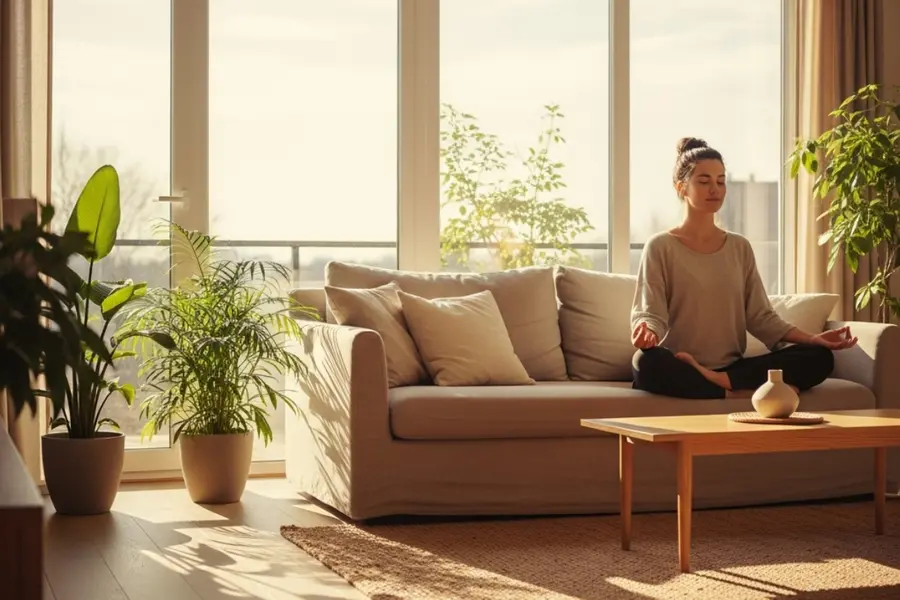
A home is more than a roof over one’s head; it is a living ecosystem of energy, emotions, and experiences.
Recent research in environmental psychology and neuroscience confirms what traditional practices like feng shui, Vastu, and astroarchitecture have long suggested: the physical environment around us profoundly affects mental, emotional, and even physical health. For women, who often spend more time managing home spaces alongside professional and personal commitments, this influence can be particularly significant.
Also Read

The Science of Space and Mood
Studies have shown that cluttered or disorganised spaces can increase cortisol levels — the hormone associated with stress — and reduce feelings of control and wellbeing. A 2025 study published in Environment and Behavior highlighted that women are more sensitive to visual and spatial stimuli due to higher neurobiological responsiveness to environmental stressors. Even minor disruptions in home layout, lighting, or colour can trigger subconscious stress responses, leading to fatigue, anxiety, or insomnia.
Energy Signatures of Different Spaces
Each room in a home carries its own vibrational “signature,” influenced by factors like natural light, colour palette, furniture placement, and even plant life. Neuroscience explains this in part: exposure to natural light regulates circadian rhythms, while biophilic elements, such as indoor plants or water features, reduce blood pressure and enhance mood by activating the parasympathetic nervous system. Warm colours like oranges and yellows can stimulate positivity, while cool tones like blue and green encourage calm and focus. Mirrors and reflective surfaces can enhance perception of space and light, subtly improving mental clarity.
Women, Presence, and Environmental Sensitivity
While energy itself does not discriminate by gender, women’s heightened emotional attunement often makes them more perceptive to subtle environmental cues. Sociologists and psychologists note that women, historically conditioned as caretakers and household managers, may experience stronger physiological and emotional responses to their immediate surroundings. This explains why cluttered kitchens, dimly lit rooms, or poorly ventilated spaces can disproportionately affect their mood, energy levels, and productivity.
Modern Life Compounds the Impact
With remote work, multitasking responsibilities, and the pressure to maintain aesthetic appeal in homes, women are frequently exposed to both physical and cognitive load. When the home environment mirrors stress through poor layout, artificial lighting, or disordered spaces, a feedback loop forms — stress affects the home’s energy, which in turn reinforces stress in the individual.
Creating Energetically Supportive Spaces
Practical and evidence-backed steps can improve a home’s energy flow and its impact on wellbeing:
- Maximise Natural Light: Exposure to daylight boosts serotonin levels, which improve mood and alertness.
- Declutter Strategically: Removing unnecessary items and organising spaces reduces cognitive overload and visual stress.
- Integrate Biophilic Design: Plants, water elements, and natural materials positively influence physiological responses and stress reduction.
- Mindful Colour Choices: Use warm, energising colours in living areas and calming tones in bedrooms to balance stimulation and relaxation.
- Air Quality and Ventilation: Indoor pollution, even at low levels, can increase fatigue and irritability. HEPA filters and regular ventilation can enhance physical and mental health.
- Intentional Placement of Furniture: Open, accessible layouts improve movement, reduce feelings of confinement, and create a psychological sense of space and freedom.
- Spaces for Stillness: Meditation corners or quiet zones help regulate nervous system activity, promote emotional balance, and restore energy.
A Unique Perspective: Homes as Extensions of Self
Beyond aesthetics or luxury, a woman’s home is a mirror of her inner energy. When spaces are maintained with intention and awareness, they not only support daily functioning but actively nurture resilience, creativity, and emotional equilibrium. By aligning a home’s physical and energetic elements, women can cultivate environments that serve as allies in their mental, emotional, and physical wellness journeys.
Scientific insights now validate age-old wisdom: the spaces we inhabit affect our well-being more than we realise. For women navigating the complexities of modern life, a harmonious home is not just a sanctuary — it is a living system that reflects, reinforces, and restores their energy. Balance, intention, and mindful design are the keys to transforming any home into a supportive, energising environment.
Published: 07 Dec 2025, 03:08 pm IST
Related Topics
Disclaimer: Kindly avoid objectionable, derogatory, unlawful and lewd comments, while responding to reports. Such comments are punishable under cyber laws. Please keep away from personal attacks. The opinions expressed here are the personal opinions of readers and not that of Mathrubhumi.