
As turbulence incidents spike globally, especially after the recent Delta flight scare, here’s what you need to know
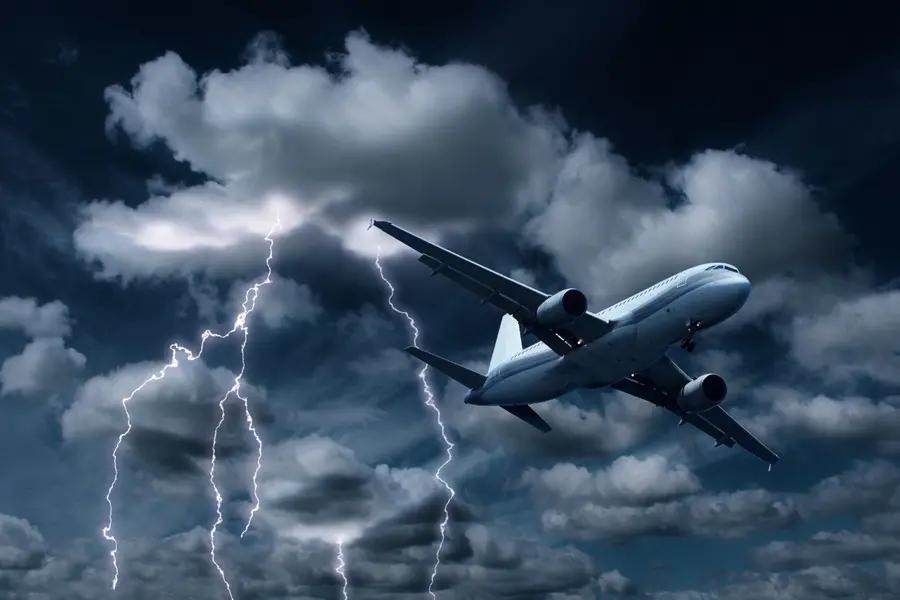
Turbulence is the irregular motion of air caused by a variety of natural forces. It can feel like bumps, jolts, or even sudden drops during a flight.
Most commonly, turbulence is caused by atmospheric pressure differences, jet streams, weather systems (such as storms and fronts), and physical obstacles like mountains disturbing the air flow.
There are different types of turbulence:
- Mechanical turbulence (caused by terrain or buildings),
- Thermal turbulence (from rising warm air),
- Wake turbulence (caused by other aircraft), and
- Clear-air turbulence—the most dangerous because it's invisible and not picked up by radar.
Is Turbulence Dangerous?
Most turbulence is not dangerous in itself. Commercial aircraft are built to endure much more stress than turbulence can usually exert. Pilots are well-trained to navigate turbulent air, often using weather radar and reports from other aircraft to avoid it when possible.
However, severe or unexpected turbulence can cause serious injuries, especially to passengers or crew who are not wearing seatbelts. Sudden drops or violent jolts can throw people or objects around the cabin.
In August 2025, a Delta Airlines flight from Milan to Atlanta hit severe turbulence, injuring 11 passengers who were later hospitalised. This is a reminder that while aircraft might be safe, people inside them can be vulnerable during turbulence episodes.
What Is Clear-Air Turbulence and Why Is It Hard to Predict?
Clear-air turbulence (CAT) occurs in cloudless skies, usually at cruising altitudes, near the edges of jet streams. Because it happens without any visual cues like storm clouds and cannot be seen on radar, it's particularly dangerous and difficult to anticipate.
Pilots rely on forecast maps, reports from other flights, and onboard sensors to predict and avoid CAT. Despite these precautions, it remains one of the top causes of in-flight injuries globally.
Is Climate Change Making Turbulence Worse?
Recent research suggests that climate change is intensifying turbulence, particularly clear-air turbulence. Warmer air leads to greater wind shear at high altitudes—one of the key ingredients for CAT. A 2023 study from the University of Reading found that severe turbulence over the North Atlantic increased by 55% between 1979 and 2020.
As global temperatures continue to rise, turbulence is expected to become more frequent and more severe, especially on long-haul routes over oceans and continents.
What Can Passengers Do to Stay Safe?
Here are a few simple tips to minimise risk during turbulence:
- Always wear your seatbelt, even when the sign is off. Turbulence can strike without warning.
- Secure your belongings in overhead bins or under the seat.
- Follow crew instructions immediately during rough air.
- Avoid standing in the aisle unless necessary.
- Use caution in the lavatory—some of the worst injuries occur there.
Turbulence may feel scary, but it rarely causes structural damage to aircraft. The real risk is injury to people who are unbuckled or caught off-guard. As long as you keep your seatbelt fastened and stay alert to announcements, you're likely to remain safe.
So, while the skies may be getting rougher, your flight is still one of the safest ways to travel. Just buckle up and ride it out.
(With AP inputs)
Published: 01 Aug 2025, 11:19 am IST
Related Topics
Disclaimer: Kindly avoid objectionable, derogatory, unlawful and lewd comments, while responding to reports. Such comments are punishable under cyber laws. Please keep away from personal attacks. The opinions expressed here are the personal opinions of readers and not that of Mathrubhumi.
