
Young Indians are increasingly using Google, Reddit, astrology, attachment theory and even AI tools to “predict” relationship compatibility before emotionally investing in someone
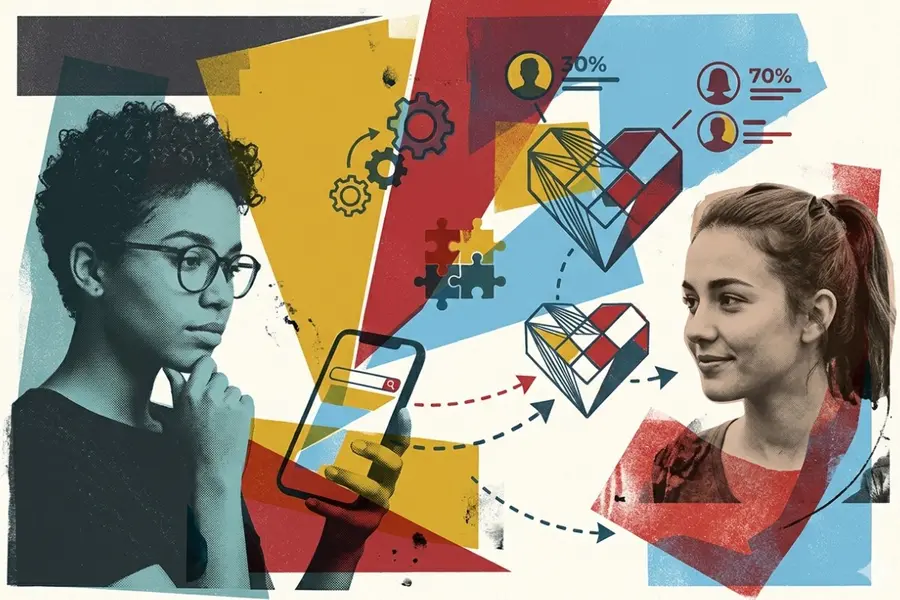
Before agreeing to a second date, many young people today are doing something we could never have imagined. They are opening Google, scrolling through Reddit threads, checking attachment styles, comparing zodiac signs, watching “relationship psychology” reels, and sometimes even asking AI whether the person they like is emotionally compatible with them.
Welcome to the era of predictive dating, where romance is increasingly being approached like research.
Also Read

For a growing number of young Indians navigating modern relationships, emotions are no longer enough on their own. People now want data, patterns, reassurance and “proof” before they emotionally invest in someone.
And social media is quietly reshaping how an entire generation thinks about love.
Love now comes with “background checks”
Dating has always involved uncertainty. But apps, internet culture and endless relationship content have changed how people deal with that uncertainty.
Today, it is common for people to:
- Google personality traits before dates
- Search phrases like “signs he is emotionally unavailable”
- Compare attachment styles
- Check astrological compatibility
- Read Reddit relationship advice threads
- Analyse texting behaviour
- Watch psychology creators explain “red flags”
For many young people, dating no longer begins with chemistry alone. It begins with analysis.
In urban India especially, where dating culture is expanding rapidly but emotional conversations are still evolving, people are increasingly turning to the internet for guidance they may not receive elsewhere.
The “What if I waste my time?” generation
Part of predictive dating comes from emotional caution.
Young adults today are dating in an environment shaped by:
- Burnout
- Fast-moving dating apps
- Ghosting culture
- Situationships
- Therapy language
- Rising emotional awareness
As a result, many people want to avoid investing months into someone who may eventually turn out incompatible.
Instead of discovering problems slowly inside relationships, people now try to predict them early.
Questions like:
“Are we emotionally compatible?”
“Does our attachment style match?”
“Is this person a narcissist?”
“Can this relationship survive long term?”
have become common even before relationships fully begin.
Therapy language has entered dating culture
One major reason predictive dating is growing is because psychological language has become mainstream online.
Terms like:
- Avoidant attachment
- Love bombing
- Gaslighting
- Emotional availability
- Trauma response
- Anxious attachment
are now regularly used in everyday conversations among young people.
Instagram reels, YouTube creators, podcasts and TikTok-style short videos have made relationship psychology highly accessible.
While this has helped many people identify unhealthy behaviour patterns, it has also created a culture where some users analyse relationships almost excessively.
Sometimes, people begin diagnosing compatibility issues before a relationship has even had the chance to naturally develop.
Astrology, personality tests and “relationship algorithms”
Predictive dating is not limited to psychology.
Many young Indians also rely heavily on:
- zodiac compatibility
- MBTI personality types
- “green flag” lists
- online compatibility quizzes
- numerology
- AI-generated relationship advice
Some couples even exchange birth charts before discussing serious commitment.
In cities where dating apps have made meeting people easier but emotional trust harder, these systems often act as shortcuts to reassurance.
They offer something modern dating lacks: certainty.
Why Gen Z wants emotional predictability
Unlike older generations, many Gen Z daters grew up watching public relationship failures unfold online.
Celebrity breakups, cheating scandals, toxic relationship discourse and endless “dating advice” content have created a generation that is highly alert to emotional risk.
Many young people are now trying to protect themselves emotionally before attachment becomes too deep.
The result is a dating culture where:
- People assess emotional patterns quickly
- Red flags are spotted early
- Compatibility is treated almost like screening
- Intuition competes with internet advice
Dating has become both emotional and strategic at the same time.
But can compatibility really be predicted?
Relationship experts often point out that while self-awareness is useful, no internet checklist can fully predict emotional connection.
A person may tick every “green flag” online and still not feel right in real life. Similarly, some strong relationships develop gradually despite initial doubts.
Human relationships remain unpredictable because emotions, communication and timing are difficult to measure scientifically.
There is also growing concern that over-analysis may sometimes damage natural connection.
Many young daters now admit they:
- Overthink texting patterns
- Lose interest after minor “red flags”
- Compare relationships to social media advice
- Struggle to experience dating organically
In some cases, people become so focused on avoiding heartbreak that they unintentionally avoid vulnerability itself.
Reddit, reels and AI are becoming modern relationship advisers
Another major shift is where people now seek emotional guidance.
Instead of turning to family elders or close friends, many young people now rely on:
- Anonymous Reddit communities
- Relationship podcasts
- Instagram creators
- YouTube psychology channels
- AI chatbots
Some users even ask AI tools to analyse screenshots, decode mixed signals or predict compatibility.
For digitally connected young adults, the internet has become both relationship counsellor and emotional support system.
The internet has changed how people fall in love
Predictive dating reflects something much larger than modern romance. It reflects how internet culture has changed decision-making itself.
Young people today research careers, restaurants, skincare and even friendships online. Dating has naturally entered that same ecosystem.
Love is no longer experienced only emotionally. It is also being filtered through algorithms, psychology language, compatibility systems and digital validation.
The bigger question: are people protecting themselves or overthinking love?
The rise of predictive dating reveals a generation trying to balance emotional openness with self-protection.
On one hand, greater awareness around boundaries and compatibility can help people avoid unhealthy relationships.
On the other, constantly analysing potential problems may make modern dating feel more exhausting than exciting.
Somewhere between intuition and internet advice, many young people are still trying to figure out the same old question in a very new world: How do you know if someone is truly right for you?
-Compiled by Salma
Published: 20 May 2026, 05:48 pm IST
ABOUT THE AUTHOR
Related Topics
Disclaimer: Kindly avoid objectionable, derogatory, unlawful and lewd comments, while responding to reports. Such comments are punishable under cyber laws. Please keep away from personal attacks. The opinions expressed here are the personal opinions of readers and not that of Mathrubhumi.