
From Melody toffee to luxury watches and collectible toys, online attention is now shaping real-world demand faster than traditional marketing
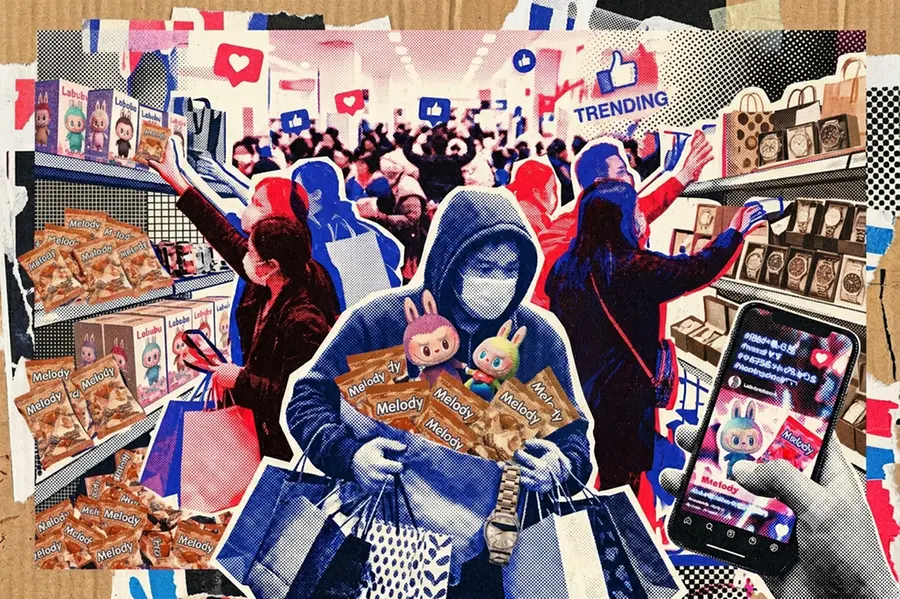
A single viral clip is now enough to turn an ordinary product into a national obsession. From chocolate toffees to luxury watches and collectible toys, social media is increasingly deciding what people buy, how fast they buy it, and how quickly items disappear from shelves.
What was once simple impulse buying has now evolved into something sharper and faster: social media panic shopping, where demand spikes within minutes of a viral moment and spreads across platforms at extreme speed.
When a viral moment becomes a shopping trigger
One of the clearest recent examples is the sudden explosion in interest around Melody toffee after a diplomatic video featuring Prime Minister Narendra Modi and Italian Prime Minister Giorgia Meloni went viral.
A simple exchange turned the snack into a trending search term overnight.
Search interest surged, and quick commerce platforms reported sudden spikes in demand. Stocks briefly ran low in some places as users rushed to buy a product that had nothing new about it except attention.
This is the core of the new trend. The product does not change. The internet does.
The Melody surge showed how nostalgia becomes powerful fuel when paired with virality. Many users were not buying it out of necessity, but to participate in the trend itself.
Owning the product became a way of joining the conversation, almost like holding a physical version of a meme.
This pattern is now repeating across categories where cultural relevance briefly matters more than utility.
A similar behaviour has been seen in luxury segments, including sudden spikes around watches such as the Swatch × Omega MoonSwatch series and Royal Oak-inspired designs.
Every time these products appear in celebrity content or viral street-style clips, search interest and resale activity rise almost instantly.
In many cases, the demand surge is not driven by traditional advertising but by momentary visibility on social media feeds.
From Labubu dolls to Stanley cups: global panic buying
This behaviour is not limited to India.
Collectible Labubu figures have repeatedly gone viral on TikTok, leading to rapid sell-outs. Stanley tumblers also became global lifestyle symbols after influencer-driven content made them highly desirable.
Even everyday items like tote bags, lip balms and snacks have seen similar spikes when featured in trending lifestyle videos.
The psychology behind panic shopping
At the core of social media panic shopping lies a mix of behavioural triggers.
One major factor is FOMO (fear of missing out), where people feel pressured to buy something simply because everyone else seems to want it.
Another is social validation, where purchasing a trending item becomes a way of signalling awareness and belonging within online communities.
There is also a strong element of participation culture, where buying is no longer just consumption but involvement in a viral moment.
Finally, algorithmic repetition plays a role. When users repeatedly see the same product across different creators and platforms, it creates an exaggerated sense of demand, making the trend feel larger than it actually is.
Who benefits from viral shopping spikes?
While the trend appears chaotic, several groups benefit directly.
Brands receive massive free visibility without advertising costs. Quick commerce platforms gain sudden order surges that boost engagement metrics. Influencers and meme pages grow reach by riding trending topics. Even social media platforms benefit through increased watch time and search activity.
In many cases, a single viral moment becomes a multi-layered commercial ecosystem within hours.
The hidden downside of viral shopping culture
Despite the excitement, social media panic shopping also has a more complicated side.
One issue is artificial scarcity, where products temporarily disappear from shelves not because of sustained demand, but due to short-term viral spikes. This can distort actual supply planning and create unnecessary urgency.
Another concern is price distortion in resale markets, where trending items are resold at inflated prices during peak hype cycles, often driven purely by urgency rather than real value.
There is also growing trend fatigue among consumers, where people rapidly move from one viral product to another, leaving brands struggling to maintain long-term relevance.
Finally, sudden demand spikes can put pressure on supply chains, forcing companies to react to unpredictable buying behaviour rather than planned forecasts.
A new kind of consumer behaviour
Unlike traditional shopping patterns, social media panic buying is fast, emotional, and highly unstable. Products rise quickly, peak within hours or days, and then fade once attention shifts elsewhere.
Yet in that short window, demand can match or even exceed long-term marketing campaigns.
Attention is the new currency
The rise of social media panic shopping signals a deeper shift in how consumption works. Attention has become more powerful than advertising, and visibility can now create demand almost instantly.
A snack, a toy or even a luxury product can become culturally significant overnight if it appears in the right viral moment.
In this new economy, products are no longer just launched. They are activated by the internet.
Published: 20 May 2026, 04:14 pm IST
Related Topics
Disclaimer: Kindly avoid objectionable, derogatory, unlawful and lewd comments, while responding to reports. Such comments are punishable under cyber laws. Please keep away from personal attacks. The opinions expressed here are the personal opinions of readers and not that of Mathrubhumi.
