
A Tao Te Ching line, and the uncomfortable truth that no purchase has ever bought back your peace.
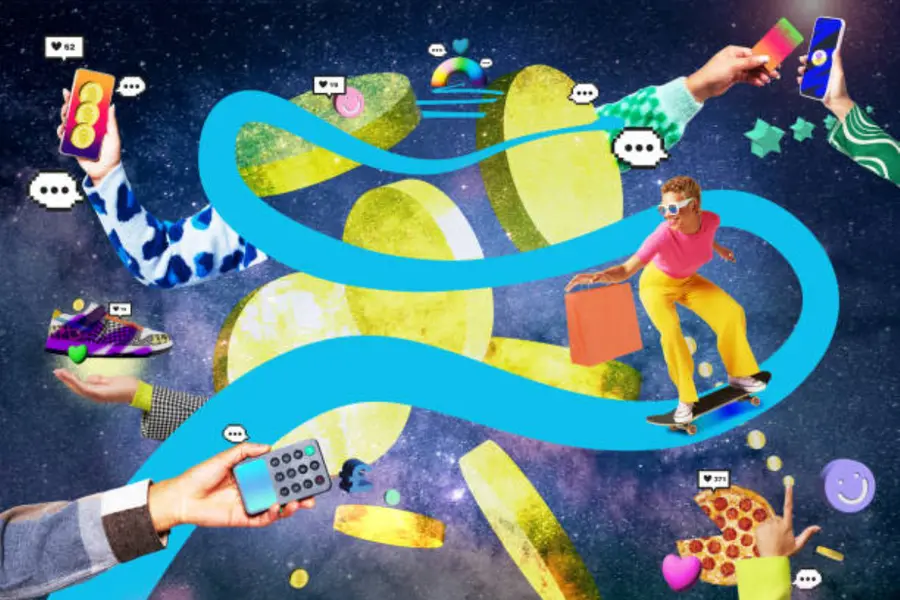
There's a reflex most of us perform without noticing. The scroll through a shopping app, pause at a window display, click of ‘add to cart.’ For one second, something in the chest unclenches, a small relief, like exhaling after holding your breath too long. Then the package arrives, and the relief is already gone.
Here's the uncomfortable truth, we don't always buy because we need something. We buy because we need to escape something, a day that feels too heavy, a future that feels too uncertain, a purchase becomes a stand-in for hope, proof that tomorrow might feel different from today.
And in a world engineered to keep us anxious and distracted, buying has become our default emotional response. Nobody questions it anymore. Everything around us is to make it feel normal.
Also Read: The toast you burned might have saved your life
What we really want from things
Objects aren't the enemy. They cook our food, warm our bodies, carry us through our days. The trouble starts when we ask them to do a job they were never built for, when a new outfit is supposed to manufacture confidence, or a new gadget is supposed to manufacture creativity, or a purchase is supposed to quiet an anxiety that has nothing to do with what's in the cart.
We already know, somewhere underneath the noise, that no object has ever permanently calmed an inner storm. We just get very good at pretending otherwise.
The Tao Te Ching asks it plainly, in Chapter 44, "Your name or your body, which is dearer? Your body or your possessions, which is worth more?" It's a diagnostic question that reveals exactly where we've parked our sense of security. And if that security is propped up by what we own, it will always be fragile, because things wear out, break, and go out of style, taking our borrowed peace down with them.
The strange relief of less
Ask anyone who's cleared out a closet what happened next. They expected to feel a void. Instead, they felt room to breathe. When the noise around us quiets, attention comes back online and with it, texture, flavor, presence.
Zen teacher Shunryu Suzuki put it simply, "In the beginner's mind there are many possibilities, but in the expert's mind there are few." Crowded spaces work the same way crowded minds do, nothing gets to stand out. Clear the clutter, and every remaining object regains its weight, its voice.
There's an unglamorous joy in knowing a thing, the exact way a mug fits palm, how a notebook softens at the edges, how a pair of shoes learns your feet before you've noticed. These aren't exciting, but they last and they deepen.
Also Read: The weirdest life advice from the most interesting people we know (and why it works)
The real trap isn't ownership, it's being owned
The problem is what happens when the relationship flips. When losing a possession triggers more fear than the object ever gave in pleasure. When constant upgrading replaces actual satisfaction. At that point, we've stopped owning things, they've started owning us.
Zhuangzi tells it best, a man crosses a river, and an empty boat drifts into his in the fog. He feels nothing. But if someone were sitting in that boat, he'd be furious. Same boat. Same collision. Only the story changed, the one we attach to our possessions is where all the suffering actually lives.
The only comfort that doesn't expire
There's comfort that comes from the sense that what's already here is enough.
The Tao Te Ching says it in nine words, "He who knows that enough is enough will always have enough."
Not owning less for its own sake but finally noticing that what matters was never for sale.
Published: 25 Sept 2026, 04:10 pm IST
ABOUT THE AUTHOR

Related Topics
Disclaimer: Kindly avoid objectionable, derogatory, unlawful and lewd comments, while responding to reports. Such comments are punishable under cyber laws. Please keep away from personal attacks. The opinions expressed here are the personal opinions of readers and not that of Mathrubhumi.