
Fueled by Instagram aesthetics and Gen Z innovation, food-inspired skincare is more than a fad
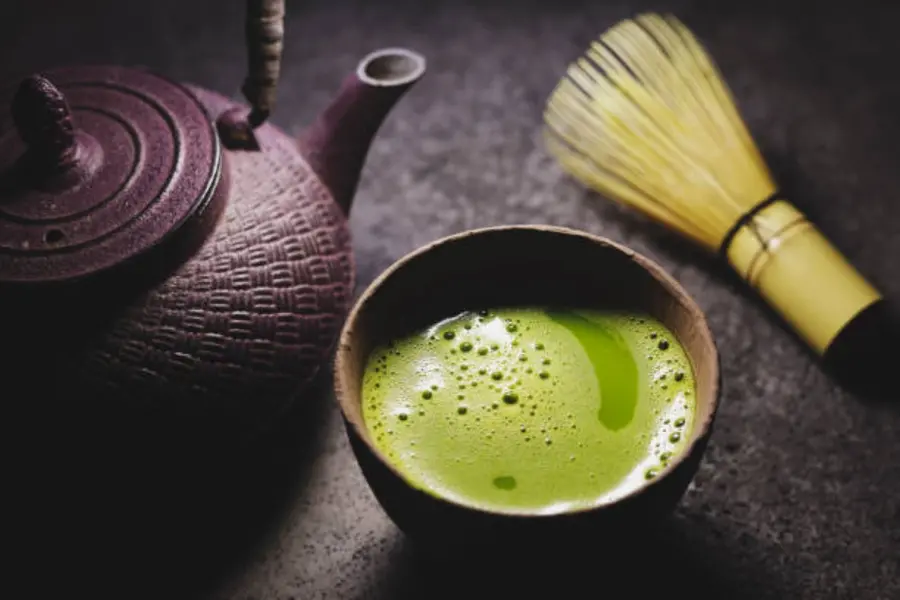
Once the darling of tea ceremonies and health cafés, matcha has now found its way into your moisturiser. That vibrant green powder you used to sip during mindful mornings is now being slathered across faces in the form of clay masks, creams, and cleansers.
So, what exactly is matcha?
Matcha is a finely ground powder made from specially grown and processed green tea leaves. Unlike regular green tea, where the leaves are steeped and discarded, matcha involves consuming the whole leaf in powdered form—giving it a more concentrated dose of antioxidants, particularly catechins like EGCG (epigallocatechin gallate). Originally part of Japanese tea ceremonies, matcha is celebrated not just for its earthy flavour and vibrant colour, but also for its energising and calming effects. Now, it’s gone beyond the teacup—into smoothies, desserts, and increasingly, skincare routines.
But how did this wellness drink turn into a skincare superhero?
The answer lies in a blend of chemistry, culture, and Gen Z aesthetics.
At its core, matcha is rich in catechins—a class of antioxidants known for fighting oxidative stress, calming inflammation, and reducing early signs of ageing. These benefits, once celebrated in nutrition blogs, have now made the leap to beauty shelves. And it’s not just about what matcha can do for your gut anymore—it’s about what it can do for your glow.
But matcha isn’t going solo. It’s arrived with friends. From turmeric glow drops to latte blush sticks and rice water toner, the skincare aisle is starting to resemble a food menu. Food-grade beauty is now its own category—and it’s booming.
Why? One word: trust. We’re more likely to believe in the benefits of ingredients we already consume. If turmeric heals your cold, surely it can soothe your skin. If olive oil helps your heart, it must nourish your face too, right? This logic has opened the door for a whole pantry of ingredients to sneak into your vanity.
And then, there’s the vibe.
Beauty isn’t just about benefits anymore—it’s about aesthetics. Enter trends like “latte makeup” and “glazed doughnut skin”—terms that sound like dessert orders but describe glowing, creamy, soft-focus finishes that photograph like a dream. It’s skincare that wants to look as good on your face as it does on your feed.
These trends live and breathe on TikTok, Instagram Reels, and Pinterest. And they’re being driven by a generation that doesn’t just follow trends—they manufacture them. With their camera-ready routines and content-creator fluency, Gen Z has transformed skincare into a lifestyle statement. A glow isn’t just a glow—it’s a vibe check.
Still, as futuristic as it all sounds, this movement is deeply rooted in tradition.
Long before matcha masks went viral, Indian households were grinding haldi, whipping curd packs, and scrubbing with besan. These weren’t luxury rituals—they were everyday wisdom passed down by grandmothers. Today, those kitchen remedies are getting repackaged, often with a lab-backed twist, into glossy products that sit on Sephora shelves.
This shift is part of a bigger story: the democratisation of beauty. Anyone with a phone and an idea can now launch a trend. A turmeric latte goes viral on Reels; the next month, it’s a glow serum. A matcha face mist might begin as a DIY hack and end up as a best-seller backed by celebrity endorsements.
And while science plays a role in validating these ingredients, it’s worth noting that beauty brands aren’t inventing the wheel—they’re refining it. The shelf life of a trend may be short, but the roots run deep.
Ultimately, the rise of edible skincare reminds us that sometimes, the best beauty secrets aren’t found in test tubes—they’re hiding in your kitchen cupboard. From smoothie bowls to serums, the line between food and face has never been blurrier. Or more delicious.
Published: 12 Jul 2025, 12:06 pm IST
Related Topics
Disclaimer: Kindly avoid objectionable, derogatory, unlawful and lewd comments, while responding to reports. Such comments are punishable under cyber laws. Please keep away from personal attacks. The opinions expressed here are the personal opinions of readers and not that of Mathrubhumi.
