
Delhi Police has sought removal of alleged defamatory posts and account details from X during the CJP protests, triggering debate over online criticism, freedom of speech and government accountability.
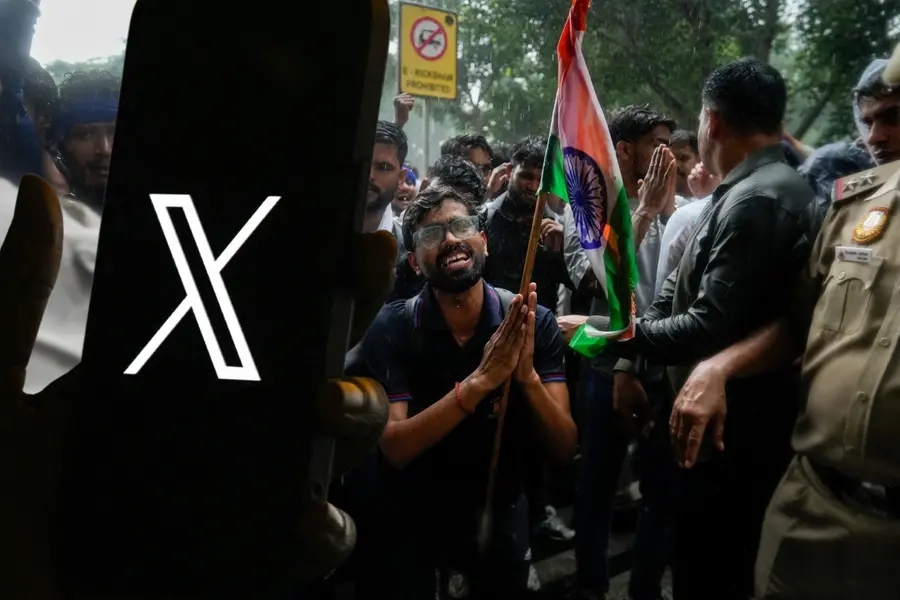
New Delhi: Delhi Police has approached social media platform X (formerly Twitter) over posts allegedly targeting constitutional authorities during the recently concluded Cockroach Janata Party (CJP)-led protests.
In its communication, the police requested X to remove the alleged posts and videos immediately and sought details of the accounts from which the content was uploaded.
Also Read

The police letter reportedly asked the platform to provide complete registrant information, including:
- Full name of the account holder
- Address and contact details
- Email ID linked to the account
- Login and logout details with timestamps
- Other information relevant to the investigation
The police also asked X to preserve details related to the alleged posts for future proceedings and requested a certificate under Section 63(4) of the Bharatiya Sakshya Adhiniyam (BSA), which relates to electronic evidence.
Delhi Police has not publicly disclosed the specific posts, accounts or complainants involved in the communication.
Police action comes after protests over examination irregularities
The notices come after the CJP-led student protests over alleged NEET-UG paper leaks and wider concerns related to examination reforms. The demonstrations, including a planned march towards Parliament, had resulted in clashes between protesters and security personnel.
The protests later ended after assurances from the government regarding discussions on examination reforms and related demands.
CJP alleges attempt to suppress criticism
The CJP criticised the police action, alleging that authorities were attempting to remove criticism of Prime Minister Narendra Modi from social media platforms.
In a post on X, the party argued that elected leaders must remain open to public questioning and accountability.
The CJP said: "In a functioning democracy, citizens have every right to demand answers and accountability from their PM."
The party alleged that treating online criticism as a criminal matter could create a "chilling message" for free expression.
It questioned whether criticism of elected representatives should be treated as a law-and-order issue when citizens are expressing political disagreement.
Debate over free speech and limits of online expression
The police action has raised wider questions about the limits of online speech and the government's response to criticism on digital platforms.
Supporters of such action argue that authorities have a responsibility to investigate content that may be defamatory, abusive or aimed at provoking disorder. They maintain that freedom of speech does not provide protection for unlawful content.
However, digital rights advocates have raised concerns about broad interpretations of offensive or critical speech. They argue that criticism of public officials, including the Prime Minister, is part of democratic debate and that restrictions on speech must meet constitutional standards.
The Internet Freedom Foundation (IFF) said criticism of the Prime Minister is protected under Article 19(1)(a) of the Constitution and argued that mere offensiveness does not automatically justify restrictions under Article 19(2). The organisation also noted that details of the notices and legal provisions invoked had not been publicly disclosed.
JP Nadda defends police action in Rajya Sabha
The issue also became part of a political debate in Parliament, with Leader of the House in Rajya Sabha JP Nadda defending the police response to the CJP protests.
Responding to allegations raised by Opposition leaders, Nadda described the police action as a routine law-and-order response.
He rejected claims that protesters were targeted unfairly and said police personnel acted according to the situation on the ground.
Referring to his own experience as a student activist during the Emergency period, Nadda said political activism often involves facing legal consequences when protests cross legal boundaries.
Opposition questions government response
Congress president and Leader of the Opposition in Rajya Sabha Mallikarjun Kharge criticised the handling of the protests and questioned the use of force against demonstrators.
Kharge demanded accountability over who authorised the police response and argued that action should be taken against officials who exceeded their authority.
The Opposition has argued that the government's response reflects a broader concern about handling dissent and criticism, particularly when protests involve questions about public institutions and government accountability.
The larger issue: security versus democratic criticism
The controversy highlights a recurring challenge in digital democracies: determining where legitimate criticism ends and unlawful content begins. Governments and law enforcement agencies often argue that online platforms can be used to spread defamatory material, misinformation or content that threatens public order. At the same time, critics warn that expansive action against online speech can discourage citizens from questioning those in power.
The current dispute is not only about individual social media posts but also about the broader relationship between citizens, digital platforms and elected representatives. As political criticism increasingly moves online, debates over transparency, accountability and freedom of expression are likely to remain central to democratic discussions.
Published: 29 Jul 2026, 02:18 pm IST
ABOUT THE AUTHOR
Disclaimer: Kindly avoid objectionable, derogatory, unlawful and lewd comments, while responding to reports. Such comments are punishable under cyber laws. Please keep away from personal attacks. The opinions expressed here are the personal opinions of readers and not that of Mathrubhumi.