
Fibroids affect a large number of women, yet myths around age, cancer risk and infertility continue to delay treatment. A leading gynaecologist explains what women must know.
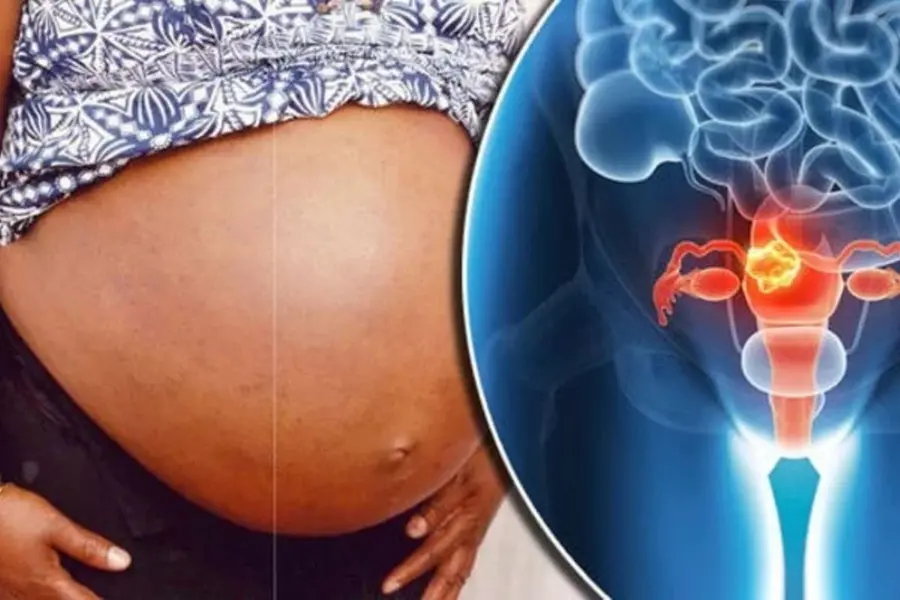
Fibroids are among the most common gynaecological conditions affecting women, yet misinformation and fear often prevent timely diagnosis and treatment.
Fibroids are benign growths that develop from the muscle tissue of the uterus and may vary in size, number, and growth pattern. While some grow slowly, others can enlarge rapidly or remain unchanged for years.
Speaking to Mathrubhumi, Dr Shruti Kotangale, Consultant Gynecologist, Obstetrician, and Infertility Expert at AIMS Hospital, Dombivli, said fibroids can present with a wide range of symptoms, including painful or heavy menstrual bleeding, abdominal and pelvic pain, back and leg pain, painful intercourse, bowel disturbances, fatigue, weakness, and bladder dysfunction. She stressed that many women continue to suffer in silence due to a lack of awareness.
One of the most common misconceptions is that fibroids affect only older women. Dr Kotangale clarified that while fibroids are frequently detected in women in their 30s and 40s, they can develop at any point during the reproductive years, including in women aged 23 to 29. Younger women may remain symptom-free until fibroids increase in size.
Another widely believed myth is that fibroids always cause symptoms. In reality, many women may have fibroids without experiencing any noticeable discomfort. The severity of symptoms depends largely on the size, number, and location of the fibroids, and in many cases, they are detected only during routine gynaecological examinations.
Addressing concerns around cancer, Dr Kotangale emphasised that fibroids are benign tumours and rarely turn cancerous, urging women not to panic due to misinformation. She also dispelled the belief that fibroids inevitably lead to infertility, noting that many women with fibroids conceive naturally and carry pregnancies to full term. Fertility outcomes depend on individual factors such as the fibroid’s size and location.
Dr Kotangale further pointed out that there is no scientific evidence to suggest that diet or lifestyle changes alone can shrink fibroids. While a healthy lifestyle supports overall well-being, medical treatment, medication or surgical intervention may be required depending on the case.
Importantly, she highlighted that hysterectomy is not the only treatment option. Fibroids can often be managed through medications, myomectomy, uterine artery embolization or minimally invasive laparoscopic procedures, allowing women to preserve their uterus.
Published: 15 Dec 2025, 02:30 pm IST
Related Topics
Disclaimer: Kindly avoid objectionable, derogatory, unlawful and lewd comments, while responding to reports. Such comments are punishable under cyber laws. Please keep away from personal attacks. The opinions expressed here are the personal opinions of readers and not that of Mathrubhumi.
