
Multiple Sclerosis, often confused with stress and fatigue, is being diagnosed more frequently among young Indians, particularly women in their 20s and 30s.
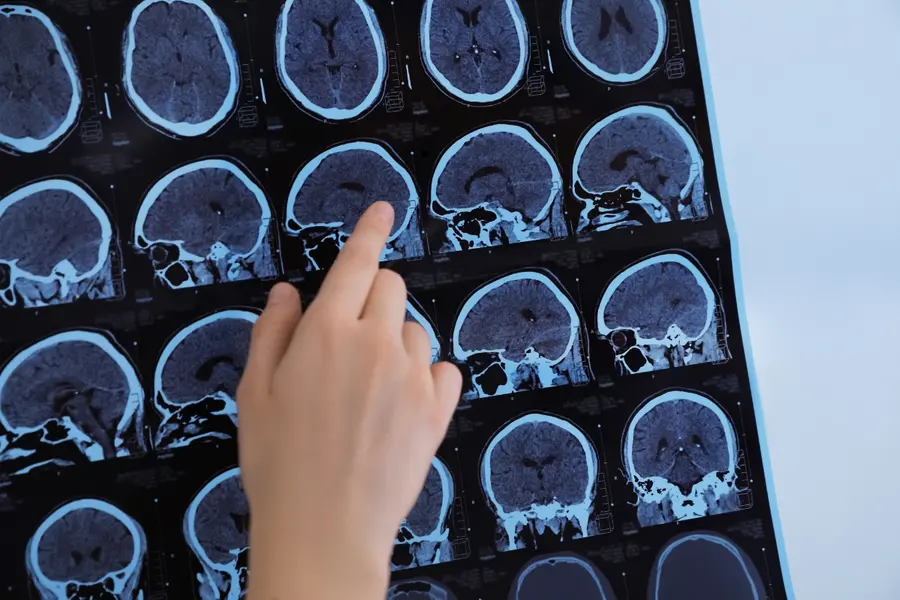
Known as an ‘invisible illness’, Multiple Sclerosis (MS) is a chronic neurodegenerative disease that is being observed with increased frequency in young Indians, mostly women in their 20s and 30s.
Even with increased awareness, a lot of cases remain undiagnosed for very long, as the symptoms are often confused with something else (stress, fatigue, anxiety, or simply exhaustion due to lifestyle). In this condition, the immune system attacks and damages the protective covering of nerves in your brain and spinal cord.
Also Read

This impedes signals between the mind and the remainder of the physical body, causing a multitude of indicators that might differ from person to person.
Why is Multiple Sclerosis Called a Hidden Neurological Disorder?
Perhaps one of the most challenging things about MS is how the early warning signs are notoriously vague and intermittent. Many patients may appear healthy on the outside, but suffer silently from extreme fatigue and pain, depression and anxiety, or cognitive problems.
Patients often report unexplained numbness in the limbs, fatigue for a long time, blurred or double vision, dizziness, and unsteadiness while walking, weakness of muscles, or tingling. Because these symptoms can come and go, many people do not seek a neurological evaluation until it becomes more severe.
The median age of the diagnosis of MS is between 25 and 30 years old, leaving young adults with anxiety, depression, and social problems such as isolation or worries about job/career plans, marriage, or family life. But the good news in today's MS management is that MRI imaging advances, better diagnostic awareness, and newer disease-modifying therapies have revolutionized patient outcomes.
Early diagnosis and treatment on time can prevent relapses, decrease the progression of the condition, and improve quality of life.
Importance of Awareness
Chronic neurological symptoms should never be ignored or enforced in the laboratory of self-diagnosis of stress alone. Early medical attention can be lifesaving in many cases. While a diagnosis of Multiple Sclerosis may seem daunting initially, it can be well managed with the appropriate treatment, rehabilitation strategies, and emotional support, along with good lifestyle changes, which allows many people to go about their lives fully functional and contributing members of society.
Better awareness of MS is needed to help break down stigmas, lead to an earlier diagnosis, and ultimately improve support for this life-changing neurological condition.
(This article is authored by Dr. Radhika Manohar, Consultant – Neurology, Manipal Hospital Kanakapura Road.)
Published: 01 Jun 2026, 02:27 pm IST
Disclaimer: Kindly avoid objectionable, derogatory, unlawful and lewd comments, while responding to reports. Such comments are punishable under cyber laws. Please keep away from personal attacks. The opinions expressed here are the personal opinions of readers and not that of Mathrubhumi.