
June 26 marks the International Day Against Drug Abuse and Illicit Trafficking—a global call to action to end the cycle of addiction
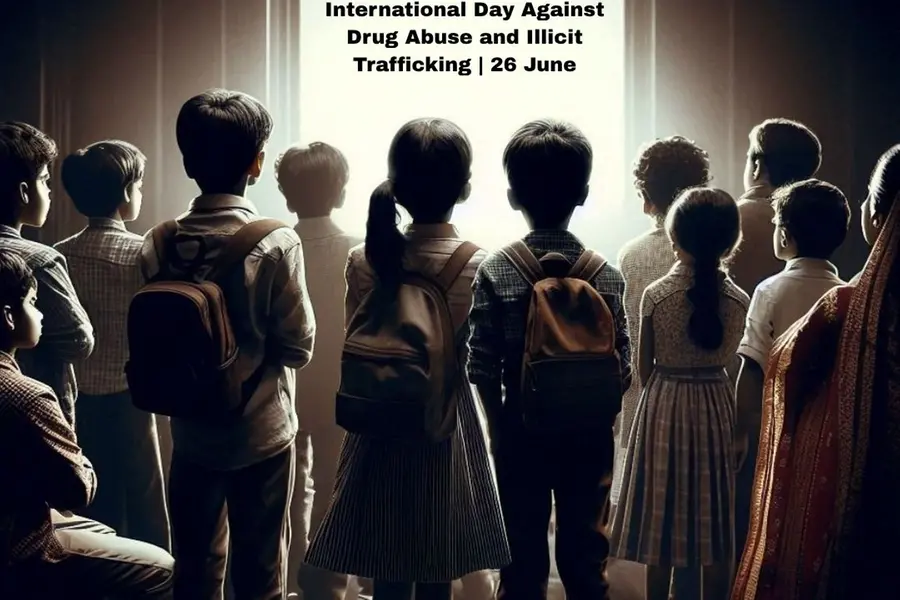
June 26 marks the International Day Against Drug Abuse and Illicit Trafficking, a solemn reminder of the devastating impact of drug misuse across the world.
Initiated by the United Nations General Assembly in 1987, the observance draws inspiration from history, including the efforts of Chinese scholar-official Lin Zexu who fought the opium trade in the 19th century. More than three decades on, the day is a forceful world call to action—challenging nations not just to fight against illegal drug syndicates but to invest in health, education, and prevention as sustainable options.
The theme for 2025, "The evidence is clear: invest in prevention. Break the cycle. #StopOrganizedCrime," highlights an important turn in international policy debates. Departing from punitive means, global organizations and member states are currently promoting a health-oriented, evidence-based model of drug policy. UN Secretary-General António Guterres has echoed again and again that addressing demand through education, treatment, harm reduction, and care is much more efficient than using prohibition and punishment alone. He used Portugal as an example, where there was a sharp reduction in deaths due to drug overdoses after decriminalising low-level drug use and spending on rehabilitation and outreach programs.
The sheer size of the problem, however, still seems to be daunting. The most recent UNODC World Drug Report puts the number of people aged 15-64 who used drugs in 2022 at about 292 million, or about 5.6% of the world's population. Of these, about 64 million have drug use disorders. Bewilderingly, only eleven out of a hundred get treated, and the difference is even greater in certain areas. In the Eastern Mediterranean, for example, only one in thirteen drug users has access to any type of medical or psychological treatment. These deficiencies are personal disasters, but they are also societal costs. Drug crime, healthcare costs, and lost productivity cost nations as much as two percent of their GDP.
In spite of the bleak numbers, the evidence in support of prevention-oriented policies is compelling. Research indicates that for every dollar spent on prevention, societies can reap four to twelve dollars in savings down the line. Education at a community level, training in skills, integrated health approaches, and intervention among children have all been effective. The focus on prevention also directly addresses the origins of the drug trade—particularly when accompanied by plans to offer alternative incomes to growers of illegal crops and initiatives to shut down the financial systems propping up organised crime.
At ground level, different nations and communities are stepping forward. In India, the drug issue provides a complicated picture, diverse from area to area. In Ahmedabad, Gujarat, alprazolam and pregabalin are being widely abused by teenagers and students due to academic or social duress. One teen user was said to take as much as 50 pills per day. Polysubstance abuse, in which users mix prescription medicine with cannabis, synthetic drugs, alcohol, or tobacco, has been growing in concern among health professionals and de-addiction experts. The effect is not merely medical but also social, as extended treatment periods and long-lasting psychological harm.
In the rural landscapes of Karnataka's Mandya district, meanwhile, authorities intensified their crusade against both drug abuse and drug cultivation. Officials have initiated awareness drives in villages and schools, and have cracked down on growers and traffickers of cannabis. One recent bust saw 12 kilograms of ganja seized, showing the durability of illicit cultivation in the face of official oversight. Enforcement is increasingly supplemented, though, by preventive and rehabilitative measures aimed at sustainable change.
World civil society is also coming into action. The "Support. Don't Punish" campaign—a selfless, grassroots-driven movement—has been a key player in this observance week. With rallies, installations of art, music events, and seminars in almost 300 cities from 85 nations, it advocates decriminalisation and humanisation of drug policy. It urges substituting stigma with support, noting that most drug consumers are victims of circumstance, trauma, or poverty and not criminals.
The United Nations Office on Drugs and Crime (UNODC) has reaffirmed that its approach extends beyond dismantling drug markets. It features an emphasis on sustainable development objectives—such as narrowing inequalities, improving health and well-being, and creating peaceful and inclusive societies. This integrated approach is backed by emerging social protection and economic opportunity research, which indicates that informed, educated populations are much less susceptible to the enticements and intimidations of drug trafficking organizations.
As the world observes this day, the message is clear: investing in prevention is not only humane but economically and socially prudent. Laws and enforcement are important, but they are not enough. What’s needed is a collective, compassionate response that includes families, schools, healthcare providers, community leaders, and policymakers. The crisis of drug abuse is not just about substances—it’s about people, their struggles, their choices, and the systems they live in.
The International Day Against Drug Abuse and Illicit Trafficking is not just a ceremonial event. It is an international moment of reflection and renewal, an opportunity to reaffirm the commitment to policies that save lives, not ruin them. In moving the focus from punishment to prevention, the world can actually end the cycle of addiction and crime. The evidence is on hand. The time to act is now.
Published: 26 Jun 2025, 04:58 pm IST
Related Topics
Disclaimer: Kindly avoid objectionable, derogatory, unlawful and lewd comments, while responding to reports. Such comments are punishable under cyber laws. Please keep away from personal attacks. The opinions expressed here are the personal opinions of readers and not that of Mathrubhumi.
