
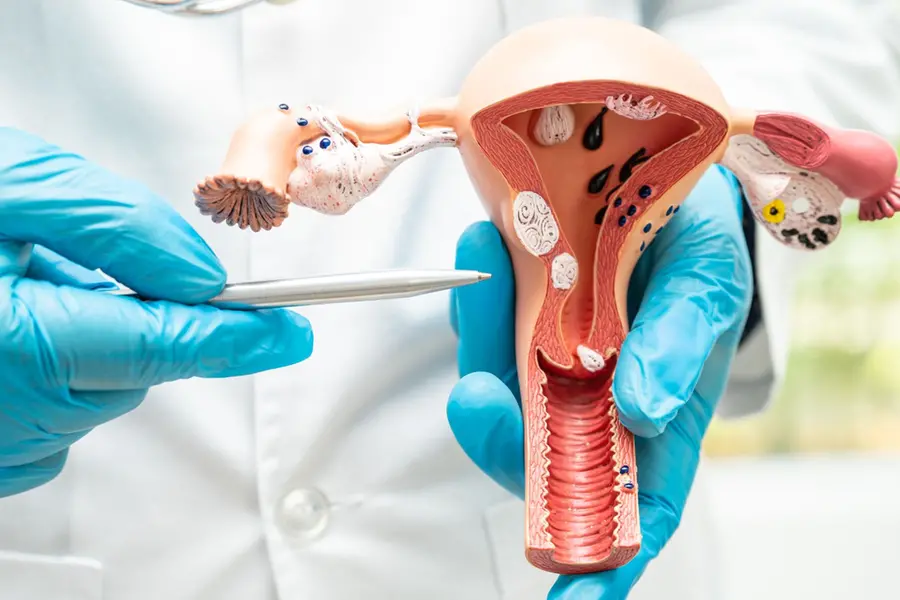
Cervical health is crucial for overall women's well-being but often overlooked. While it's not a direct cause of HIV, certain cervical health conditions can increase the risk of contracting other sexually transmitted infections (STIs), including HIV.
This article delves into the connection between cervical health, HIV, and other STIs, along with preventive measures to safeguard women's reproductive health.
Let’s try to understand the link between cervical health and STI risk:
- Weakened immune system: Some cervical conditions, particularly those caused by human papillomavirus (HPV) infections, can weaken the immune system's ability to fight off other infections, including STIs.
- Cervical inflammation: Inflammation in the cervix can create micro-tears in the tissue, making it easier for viruses like HIV to enter the body.
- Shared risk factors: Many factors that increase the risk of cervical health issues, such as multiple sexual partners and unprotected sex, also increase the risk of STIs.
While cervical health issues don't directly cause HIV, they can create an environment that is more conducive to STI transmission as well as increase the risk of cancer cervix.
Preventive measures we can take to protect against both cervical health issues and STIs, including HIV, are as follows:
Regular cervical cancer screening:
- Pap smear: This test detects abnormal cells in the cervix that could potentially develop into cancer.
- HPV test: This test checks for the presence of high-risk HPV types, which are commonly associated with cervical cancer.
Safe sex practices:
- Consistent condom use: Condoms are highly effective in preventing the transmission of STIs, including HIV.
- Limiting sexual partners: Reducing the number of sexual partners significantly lowers the risk of exposure to STIs.
- Vaccination: The HPV vaccine protects against HPV infections, which are the primary cause of cervical cancer. It is recommended for girls and women up to the age of 45 years.
Healthy lifestyle choices:
- Avoiding smoking: Smoking weakens the immune system and increases the risk of cervical cancer.
- Maintaining a healthy weight: Obesity is linked to increased risk of certain STIs.
- Regular exercise: The immune system and general health are improved by physical activity.
Prompt treatment of STIs:
- Early detection and treatment: Women having symptoms of lower abdominal pain and vaginal discharge with foul smell or irritation, or burning sensation while passing urine, must seek medical attention promptly. Early intervention can lower the chance of infection transmission and avoid consequences.
In conclusion, cervical health and STI prevention are interconnected. By prioritising regular screenings, safe sex practices, and a healthy lifestyle, women can significantly reduce their risk of both cervical cancer and STIs.
Always remember, early detection and treatment are key to maintaining optimal reproductive health.
- Dr. Lynsel Texeira is a Consultant OBG at KMC Hospital, Dr B R Ambedkar Circle, Mangalore
Published: 30 Nov 2024, 04:45 pm IST
Related Topics
Disclaimer: Kindly avoid objectionable, derogatory, unlawful and lewd comments, while responding to reports. Such comments are punishable under cyber laws. Please keep away from personal attacks. The opinions expressed here are the personal opinions of readers and not that of Mathrubhumi.
