
PCOD and PMOS (formerly PCOS) are common hormonal conditions affecting nearly 1 in 5 women in India.
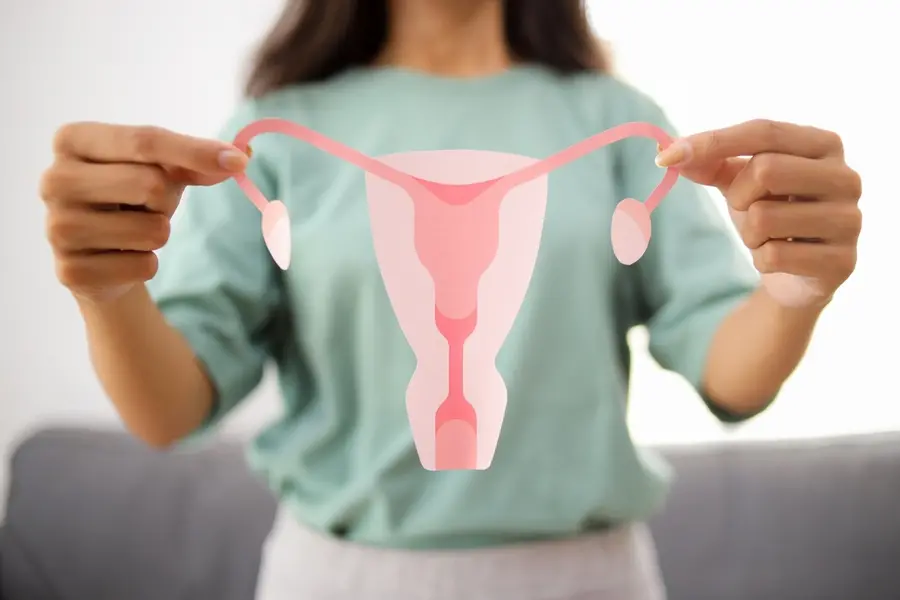
It is 2026, yet many people still have a very limited idea about what PCOD and PMOS really are. Young girls and women, on the other hand, have been receiving misinformation surrounding these conditions, which continues to spread widely, causing them to ignore symptoms or avoid seeking medical help. One major doubt: are they just irregular periods?
On this International Women’s Health Day, it is important to spread awareness about PCOD and PMOS, encourage open conversations around women’s hormonal health, and remind women that their health matters just as much as everyone else’s. These symptoms should not be ignored, as early awareness and care can make a significant difference.
Understanding PCOD and PMOS
PCOD (Polycystic Ovarian Disease) is mainly caused by hormonal imbalance and genetic factors. In individuals with PCOD, the ovaries may release immature or partially mature eggs that can develop into cysts, small fluid-filled sacs. This can lead to enlarged ovaries and excess production of androgens, or male hormones, causing symptoms such as irregular periods, weight gain, acne, excessive hair growth, hair loss, and, in severe cases, infertility.
Similarly, PCOS (Polycystic Ovary Syndrome) shares many symptoms with PCOD but is considered a more serious hormonal and metabolic condition. PCOS is linked to metabolic syndrome, increasing the risk of diabetes, heart disease, stroke, sleep apnea, and endometrial cancer if left untreated. But global health organisations decided to rename it because it was considered misleading and inaccurate. Hence, coming into being, PMOS (Polyendocrine metabolic ovarian syndrome), which is said to affect one in eight women, according to the National Institute of Health (NIH). Despite the name, not everyone with the condition develops ovarian cysts, as the main issue is often irregular ovulation.
Early Symptoms of PCOD and PMOS
The symptoms of PCOD and PMOS often appear gradually and are frequently mistaken for normal hormonal changes or stress. Some common early signs include:
- Irregular or missed periods
- Sudden weight gain
- Acne or oily skin
- Excessive facial or body hair
- Hair thinning or hair fall
- Fatigue and mood swings
- Dark patches on the neck or underarms
- Difficulty conceiving due to irregular ovulation
While both conditions share similar symptoms, PMOS may also involve insulin resistance, disturbed sleep, and a higher risk of diabetes. Early diagnosis and lifestyle changes can help manage both conditions effectively.
Apart from physical symptoms, PMOS and PCOD can also affect mental and emotional well-being. Many women experience anxiety, depression, mood swings, low self-esteem, and body image issues due to symptoms such as weight gain, acne, and excessive hair growth.
The stigma and misconceptions surrounding these conditions often make the emotional struggle even harder. Sleep disturbances, stress, and hormonal imbalances can further affect mental health, making emotional support and awareness just as important as physical treatment. The automatic association of conditions like PMOS and PCOD with infertility has also created a fear in many women to panic about any health issue related to their ovaries.
In India, PMOS and PCOD affect nearly 1 in 5 young women, with studies estimating that 9% to 22.5% of women in their reproductive years experience these conditions. Research published by the National Institute of Health links the growing prevalence in India to lifestyle changes, stress, genetics, and increasing obesity rates.
According to the World Health Organisation (WHO), nearly 70% of women with PMOS worldwide remain undiagnosed. Early diagnosis can help manage symptoms, regulate hormonal imbalance, and reduce the risk of long-term complications such as diabetes, heart disease, sleep apnea, and mental health disorders. With proper medical care, healthy lifestyle habits, regular exercise, balanced nutrition, and emotional support, many women with PMOS and PCOD can effectively manage their condition and lead healthy lives.
Common Myths and Misconceptions About PMOS and PCOD
Despite affecting millions of women worldwide, PMOS and PCOD continue to be surrounded by myths and misinformation. Many people still reduce these conditions to “just irregular periods” or assume they only affect fertility, and nothing more.
Myth 1: PMOS and PCOD Are Rare
PMOS and PCOD are among the most common hormonal disorders affecting women’s health during their reproductive age worldwide.
Myth 2: Only Overweight Women Get PMOS or PCOD
This misconception has found its way back to women, at least once in their life, but it doesn’t matter the body type; even a lean woman can have PMOS or PCOD.
Myth 3: PMOS and PCOD Only Affect the Ovaries
Any health issues that affect menstruation are automatically linked with the ovaries, but these conditions can also increase the risk of diabetes, heart disease, anxiety, depression, and sleep disorders.
Myth 4: PMOS Always Causes Infertility
Many people often directly associate PMOS with infertility, while it remains one of the most common causes of female infertility due to irregular ovulation, it does not mean that pregnancy is impossible. In fact, many women with PMOS can conceive naturally or with the help of lifestyle changes, proper medical guidance, ovulation-inducing medications, or fertility treatments.
Myth 5: Birth Control Pills Cure PMOS and PCOD
Birth control pills may help manage symptoms, but do not cure the conditions. Long-term management also requires lifestyle changes and medical care. They are often used to regulate periods, control excess androgen levels, and reduce the risk of complications linked to irregular menstrual cycles. However, they do not treat the root cause of the condition.
PMOS and PCOD are more than just hormonal conditions or irregular periods. They can affect a woman’s physical health, mental well-being, confidence, and daily life. However, many women continue to ignore their symptoms or suffer silently because of stigma, misinformation, and lack of awareness. Women often prioritise the health and well-being of others over their own, ignoring their own health concerns until the symptoms become severe.
On the International Day of Action for Women's Health, it is important to encourage open conversations about women’s hormonal health. Early diagnosis, proper medical care, healthy lifestyle habits, and emotional support can help women manage these conditions better and improve their quality of life. Most importantly, women should understand that their symptoms are real and should never be ignored; they should always know that their health matters, just like everyone else they care for.
Compiled by Medha
Published: 28 May 2026, 11:16 am IST
Related Topics
Disclaimer: Kindly avoid objectionable, derogatory, unlawful and lewd comments, while responding to reports. Such comments are punishable under cyber laws. Please keep away from personal attacks. The opinions expressed here are the personal opinions of readers and not that of Mathrubhumi.
