
Adult breakouts can continue well into your 20s, 30s and beyond, sometimes leaving stubborn dark marks and scars
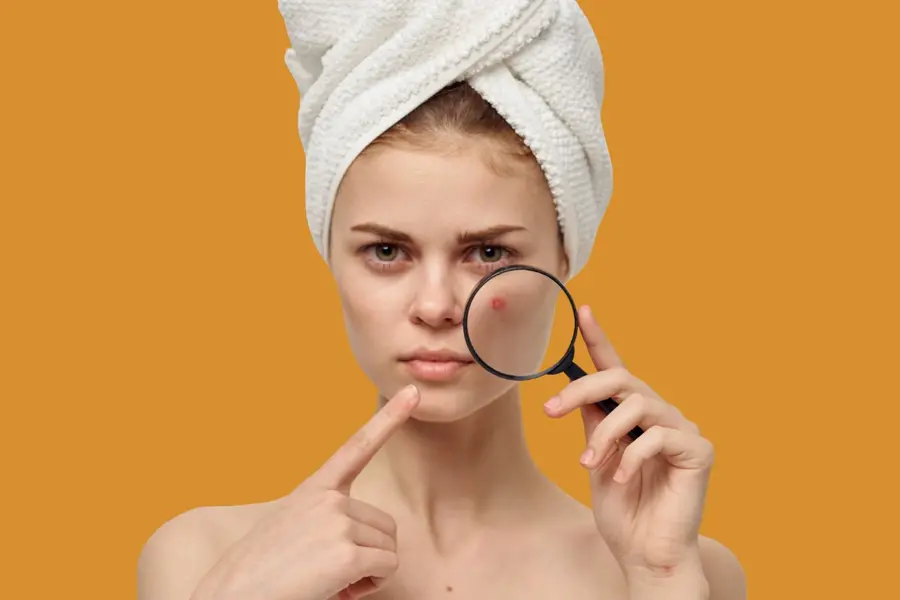
Acne is often associated with adolescence, but pimples do not always disappear once you enter adulthood. Breakouts can continue into your 20s, 30s and beyond, appearing on the face, chest, shoulders and back.
For some people, adult acne shows up as an occasional pimple. For others, recurring breakouts leave dark marks, uneven skin texture and scars that take months to fade. The right treatment depends on the type of acne, its severity and what is triggering it.
What causes adult acne?
Acne develops when hair follicles become clogged with excess oil (sebum) and dead skin cells. The buildup can encourage inflammation and the growth of acne-associated bacteria, leading to different types of pimples.
Also Read: The right order to apply your skincare products, according to dermatologists
Several factors can contribute to adult acne, including genetics, hormonal changes, certain medications and environmental influences.
Diet may also play a role for some people. Research has linked high-glycaemic foods, which can raise blood sugar quickly, and possibly dairy products with acne, although these associations do not mean that every person who consumes them will develop breakouts.
Some medicines, including corticosteroids and anabolic steroids, can trigger or worsen acne. If breakouts begin after starting a new medication, speak to your doctor rather than stopping it on your own.
Where does adult acne usually appear?
The location of acne can offer clues, although it cannot establish the cause on its own.
Teenage acne commonly affects the forehead, nose and cheeks. Adults can develop breakouts in these areas too, but hormonal acne often appears around the chin and jawline, particularly in women. It may flare around menstruation or alongside other hormonal changes.
Also Read: Everyone's talking about skin cycling, but does it actually work?
Acne can also develop on the chest, shoulders and back. Body acne has many of the same underlying causes as facial acne, but sweat, friction from tight clothing and certain hair or skincare products may contribute to breakouts in some people.
How to tell the difference between pimples and acne
An occasional pimple is not necessarily a sign of persistent acne. Acne is a skin condition that can involve recurring breakouts of different types.
These may include:
- Whiteheads: Small, flesh-coloured or white bumps that form when pores become clogged.
- Blackheads: Dark spots caused by clogged pores. Their colour is not simply dirt trapped in the skin.
- Inflammatory pimples: Red, swollen and sometimes painful bumps.
- Cysts and nodules: Deeper, often painful lesions that can increase the risk of scarring.
If breakouts keep returning, become painful, spread across larger areas or leave persistent marks, consult a dermatologist. Early treatment can help reduce the risk of lasting scars.
Why you should avoid picking your pimples
Squeezing a pimple might seem like a quick way to get rid of it, but picking can worsen inflammation and increase the risk of infection, dark marks and scarring.
This is particularly relevant for people with darker skin tones, who are more prone to post-inflammatory hyperpigmentation. These flat brown or dark marks can remain long after the original pimple has healed.
Also Read: Is Retinal better than Retinol? Which one is better for your skin?
If you are dealing with a stubborn breakout, resist the urge to squeeze it. A suitable acne treatment is less likely to cause additional damage than repeated picking.
Which treatments help with adult acne?
Acne treatment depends on the type and severity of the breakouts. What works for occasional whiteheads may not be enough for painful, recurring cysts.
For mild acne
Dermatologists may recommend products containing ingredients such as:
- Benzoyl peroxide: Helps reduce acne-causing bacteria and inflammation.
- Salicylic acid: Helps exfoliate inside pores and loosen the buildup that contributes to blackheads and whiteheads.
- Adapalene: A topical retinoid that helps prevent clogged pores and treat acne.
Also Read: Can salicylic acid really help with acne? Benefits, uses and side effects
Introduce active ingredients gradually, as irritation and dryness are possible. Use a gentle cleanser, a non-comedogenic moisturiser and sunscreen as part of your routine. Avoid starting several strong products at once.
For persistent or more severe acne
If over-the-counter products are not helping, a dermatologist may prescribe stronger topical treatments, including tretinoin, or oral medication.
Antibiotics may be used for certain cases of inflammatory acne, generally for a limited period and alongside other treatments to reduce the risk of antibiotic resistance. Severe or scarring acne may require isotretinoin under close medical supervision.
For adults with hormonal acne, particularly women, options may include certain combined oral contraceptives or spironolactone, depending on their medical history and suitability. These medicines require a doctor's assessment and are not appropriate for everyone.
A dermatologist may also use a corticosteroid injection to reduce a particularly large, painful acne lesion. This is a targeted treatment for selected spots, not a long-term solution for recurring acne.
Do pimple patches actually work?
Hydrocolloid pimple patches can absorb fluid from superficial, open or draining pimples. They can also act as a physical barrier that makes picking less tempting.
Also Read: Niacinamide vs Vitamin C: What's the difference and which is better for your skin?
However, they are not a cure for acne and are generally less useful for blackheads, deep cysts and nodules. Some patches contain additional ingredients that may irritate sensitive skin, so check the label and discontinue use if you develop a reaction.
What about dark marks and acne scars?
The marks left behind by acne are not all the same. Flat dark spots are usually a form of post-inflammatory hyperpigmentation, while scars involve changes to the skin's texture.
Ingredients such as retinoids and azelaic acid may help improve acne and some forms of pigmentation.
Glycolic acid can also help with uneven skin tone, but stronger exfoliating products may irritate the skin and make pigmentation worse if used incorrectly.
Indented or raised scars may need professional treatments such as microneedling, chemical peels or certain laser procedures. The best option depends on the type of scarring and your skin tone. A dermatologist can help determine which treatment is appropriate.
How long does adult acne take to Improve?
Acne treatments rarely work overnight. It can take around six to eight weeks to notice initial improvement, with further progress over several months.
Some topical retinoids can cause temporary irritation, and acne may appear to worsen during the early stages of treatment. However, not every breakout after starting a product is skin purging. Persistent worsening, significant redness, swelling or burning may indicate irritation or an unsuitable product rather than a normal adjustment period.
Avoid changing your routine every few days in search of a quick fix. Give a suitable treatment time to work, follow the directions and seek medical advice if your skin becomes significantly irritated.
Also Read: The ultimate beginner's guide to skincare for men in India
Adult acne can be frustrating, particularly when it returns despite your best efforts. But persistent breakouts are treatable, and you do not have to wait for them to become severe before seeking help. A dermatologist can identify the type of acne you have and help you find a treatment plan that suits your skin.
(Disclaimer: This article is for general information only and does not replace medical advice. Consult a dermatologist before starting or changing acne treatments)
Published: 12 Oct 2026, 12:40 pm IST
ABOUT THE AUTHOR

Related Topics
Disclaimer: Kindly avoid objectionable, derogatory, unlawful and lewd comments, while responding to reports. Such comments are punishable under cyber laws. Please keep away from personal attacks. The opinions expressed here are the personal opinions of readers and not that of Mathrubhumi.