
COPD can develop gradually, sometimes even in people who have never smoked
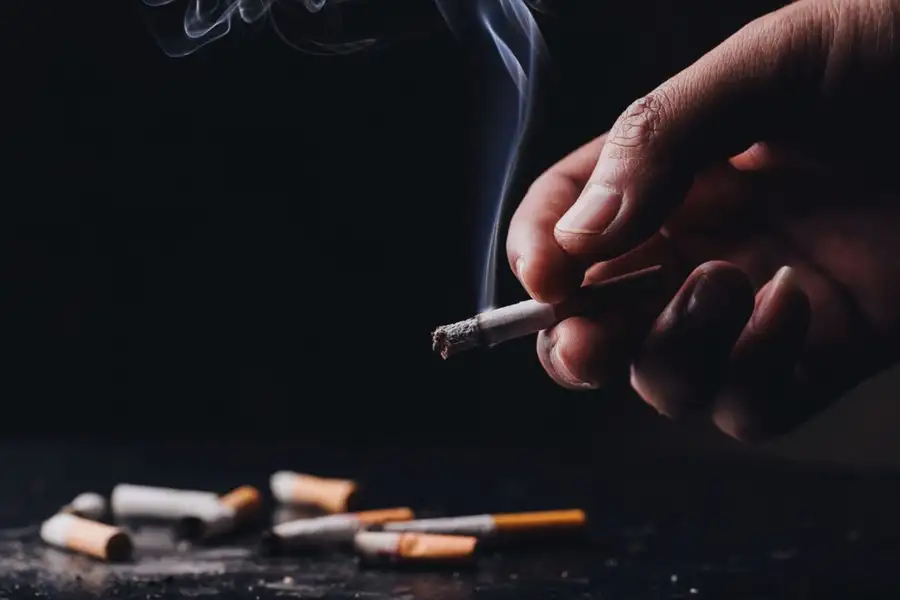
Every breath we take carries more substances than oxygen alone. For millions of people, it also carries tobacco smoke, vehicle exhaust, cooking fumes and dust. Over years, these irritants injure the lungs, resulting in chronic obstructive pulmonary disease (COPD). The message is simple: the lungs speak early, and we must listen.
How does the damage happen?
Smoking remains the leading cause of COPD. Cigarette, bidi and other tobacco smoke inflames the airways, increases mucus, and in course of time destroys the delicate air sacs where oxygen enters the blood. Smokers are not the only ones at risk. Fine particulate matter (PM2.5) from traffic, industry and burning waste is enough to reach deep into the lungs. Indoor smoke from biomass fuels such as firewood and dungs, as well as long-term exposure to workplace dust and chemicals too cause similar harm. Many people with COPD have never ever smoked, and this applicable in India too.
Also Read: Selena Gomez on vaping and her voice: How e-cigarettes affect vocal cords
The sorry part of COPD is that much of this damage cannot be reversed. That is why recognising the early signs matters so much.
The early warning signs
- A persistent cough: A cough lasting more than a few weeks is not normal, however familiar it feels. Calling it a "smoker's cough" or a "winter cough" is one of the most common reasons for delay.
- Morning phlegm: Regularly clearing mucus from the throat, especially after waking, signals chronic airway irritation.
- Breathlessness on exertion: Feeling breathless while climbing stairs, walking uphill or carrying weight is often blamed on age or poor fitness. It should not be.
- Wheezing or chest tightness: A whistling sound or a feeling of pressure, particularly during activity or in polluted air, requires attention.
- Frequent chest infections: Repeated bronchitis or colds that settle in the chest and take long to clear suggest vulnerable lungs.
- Quietly doing less: Many people avoid stairs, stop playing with grandchildren or stop walking without realising they are adapting to breathlessness.
Why are warnings missed?
COPD develops slowly, over decades. Symptoms creep in gradually that people adjust their lives around them. By the time breathlessness interferes with daily routine, a significant share of lung function may be lost. Stigma around smoking and the assumption that coughing is harmless add to the delay.
Also Read: Can smoking help microplastics reach your heart? A new study says it might
What can we do?
Anyone over 40 who smokes, has smoked, or has lived or worked in smoky or polluted environments should discuss their symptoms with a doctor.
A simple breathing test called spirometry can detect COPD early, often before any serious symptoms appear.
The most important thing is to stop smoking. It slows the decline in lung function at any age, and support through counselling and medication largely improves the chances of success.
Beyond that, we can reduce exposure by opting to clean cooking fuels, ventilating kitchen, using masks on high-pollution days, and supporting cleaner air in our surrounding.
Vaccinations against influenza and pneumonia help prevent infections that can worsen the disease.
Also Read: Cancer in your 30s and 40s: What you should know about ‘early-onset cancer’
COPD is preventable and, when detected early, is manageable. A cough that will not go away or breath that comes shorter than before is not just part of getting older. It is the lungs asking for help. We should seek help and not ignore them.
-Dr Arjun P is a Senior Consultant in Department of Pulmonology, KIMSHEALTH, Thiruvananthapuram
Published: 20 Nov 2026, 02:38 pm IST


Related Topics
Disclaimer: Kindly avoid objectionable, derogatory, unlawful and lewd comments, while responding to reports. Such comments are punishable under cyber laws. Please keep away from personal attacks. The opinions expressed here are the personal opinions of readers and not that of Mathrubhumi.
