
Learn the causes, early warning signs, dietary habits and what parents should know about diabetes in children
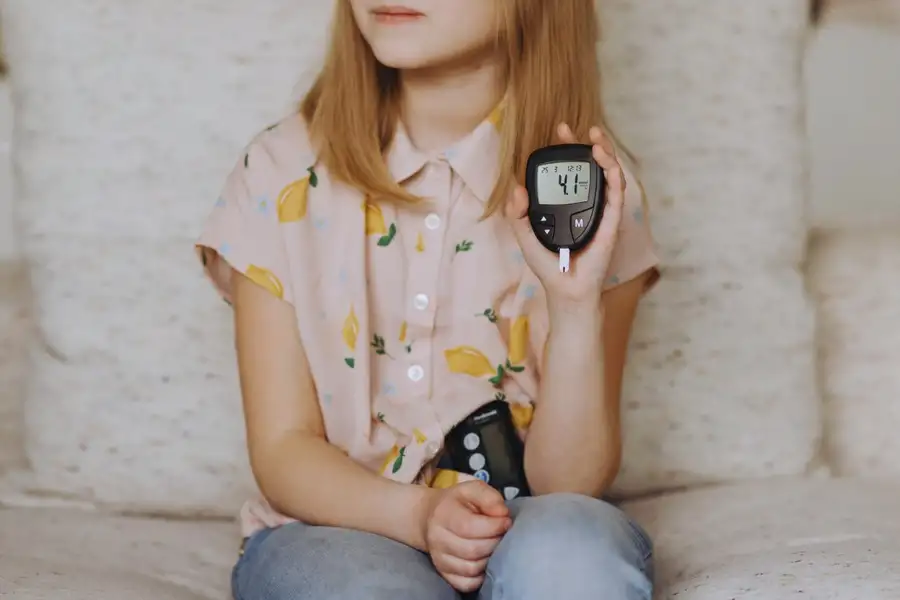
Diabetes is no longer a health concern limited to adults. More children, including those in their early school years, are being diagnosed with the condition. From changing food habits to reduced physical activity, several factors could be contributing to the trend. But are parents recognising the warning signs early enough?
Dr Arya R Nair, Specialist in Paediatrics at KIMSHEALTH, Kollam, says early detection depends largely on how well parents and teachers recognise the warning signs
What is behind the rise?
According to Dr Arya, there is no single cause. “This is because of rising childhood obesity, sedentary lifestyle, change in diet, increased awareness among public and health care workers hence more detection.”
That last point is worth pausing on. Part of the rise comes from doctors and families spotting the condition that was once missed. The numbers also show how large the issue is in India. The International Diabetes Federation’s 10th Atlas listed India first in the world for new cases of type 1 diabetes in children aged 0 to 14, at 19,194 in 2021.
Also Read: Can a few days of unhealthy eating affect your next immune response? Here's what a new study found
A recent modelling study also estimates that India accounts for most of the deaths worldwide caused by type 1 diabetes going undiagnosed.
Are younger children affected?
“There are more cases now. Peak age group is 4 to 7 years and 10 to 14 years common in young children,” says Dr Arya.
Type 1 and type 2: what is the difference?
Type 1 diabetes is still the main form seen in children. It is caused by an autoimmune reaction, in which the body’s defence system attacks the insulin-producing cells in the pancreas, so the child needs insulin every day.
But the picture is shifting. In Dr Arya’s words, “Though childhood diabetes is still largely type 1 diabetes, because of increase in childhood obesity, environmental factors and sedentary lifestyle and increase in junk food intake there is rise in type 2 diabetes in young children especially among adolescent children.”
Also Read: Pimples after 30? 7 things that could trigger breakouts
The two types can look alike at first, but there is one important difference. “Though there are common symptoms, in type 1 diabetes the child has high risk of diabetic ketoacidosis. It may come as first presentation of type 1 diabetes.”
Diabetic ketoacidosis, or DKA, is a dangerous emergency. It happens when the body runs out of insulin and cannot use glucose for energy, so it burns body fat instead. Too often, it is how the condition is discovered.
In England and Wales, almost a quarter of newly diagnosed children with type 1 diabetes were not formally diagnosed until they had become seriously ill with DKA.
The warning signs parents should know
Dr Arya lists these early symptoms: “polyuria, polyphagia, urinary infection, loss of weight, increased infections, fatigue.”
This include:
- Passing urine very often, including bedwetting in a child who had stopped
- Eating much more than usual
- Repeated urinary or other infections
- Losing weight without trying
- Feeling unusually tired
UK charities use an easy memory aid called the 4Ts: Toilet, Thirsty, Tired and Thinner.
Type 2 can develop slowly, and its symptoms may be less obvious or go unnoticed.
When should you get a blood sugar test?
Dr Arya advises testing in these situations: “children with obesity, unexplained weight loss, urinary infections, fatigue, family history of diabetes.”
Are we mistaking the signs for growing up?
Dr Arya believes so. Her answer is a firm “yes”, and she adds, “There should be more awareness given to both parents and teachers for the early detection of diabetes in children.”
Also Read: Can targeted nutrition help undernourished children grow better? What research says
According to studies, type 1 diabetes is often missed because the signs are put down to age, hot weather or a growth spurt. If a change is persistent, or several signs appear together, get a simple blood sugar test rather than wait.
Food for a diabetes-friendly childhood
Many parents assume that diabetes means a strict diet. Dr Arya wants this myth to end. “For children we cannot restrict the diet very strictly. Since they are in growing phase they need carbohydrates, proteins and fat in the correct proportion. But should decrease the amount of junk food, sweets, carbonated drinks, chocolates etc.”
Her advice is simple: “Balanced diet. My Plate concept.”
What is “My Plate”?
“My Plate for the Day” is a picture guide made by the ICMR-National Institute of Nutrition, based on how Indians actually eat.
Here is what it asks for:
- Food from at least eight food groups, with vegetables, fruits, green leafy vegetables, roots and tubers making up about half the plate.
- Cereals and millets as the other major portion, followed by pulses, flesh foods, eggs, nuts, oilseeds and milk or curd.
Other points from the national guidelines, released in 2024, help at home:
- No sugar for infants and toddlers until age two, only 5 percent of daily calories from sugar, and at least 500 g of fruits and vegetables a day.
- Avoid ultra-processed foods and foods high in fat, sugar and salt.
- Regular physical activity of 60 minutes a day among children can prevent overweight and obesity.
Note: The plate is built around a 2,000-calorie day for general health, and the meal plan is not meant for any specific medical condition. A child who already has diabetes needs a plan from their own doctor or dietitian.
Does lifestyle matter?
Asked directly whether lifestyle and food habits play a role, Dr Arya’s answer was one word: “Yes.” Daily choices such as a walk after school, outdoor play and fruit instead of biscuits all help.
How can awareness be spread?
Dr Arya’s call is for both parents and teachers to be informed. Some practical ways, offered as suggestions:
At home: Learn the signs above. Note any family history of diabetes and tell your child’s doctor.
In schools: Teachers can share the warning signs with parents and mention a child who is suddenly thirsty, tired, thinner or visiting the toilet often.
At the clinic: Ask for a weight check and a blood sugar test if your child has obesity, repeated infections or unexplained weight loss.
At the table: Keep sweets, chocolates and fizzy drinks as occasional treats, and let the plate guide every meal.
Also Read: Watermelon seeds are more nutritious than you think: 5 reasons to add them to your diet
Diabetes in children is rising, but it is not something to fear. Caught early, it can be managed well.
Published: 16 Nov 2026, 03:55 pm IST


ABOUT THE AUTHOR

Related Topics
Disclaimer: Kindly avoid objectionable, derogatory, unlawful and lewd comments, while responding to reports. Such comments are punishable under cyber laws. Please keep away from personal attacks. The opinions expressed here are the personal opinions of readers and not that of Mathrubhumi.