
The secret behind restaurant-style crispy fries lies in the type of potato used, careful moisture control and a double-frying technique that most home cooks overlook.
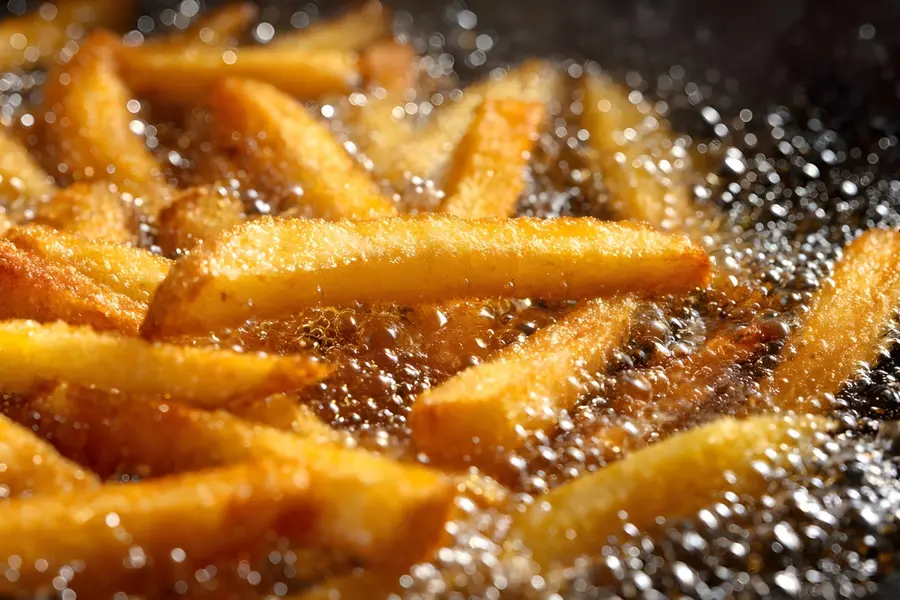
Few foods are as universally popular as French fries, but many home cooks struggle to recreate the crispy texture found in restaurants. According to chefs, the difference is not just the ingredients but the cooking technique.
Choosing the right potato matters
Also Read

Experts say high-starch potatoes are essential for achieving crispy fries. Varieties such as russet potatoes contain less moisture and create a crisp exterior while remaining soft inside. Low-starch or waxy potatoes retain more water, making it harder to achieve the desired crunch.
The balance between starch and moisture plays a crucial role in determining the final texture of the fries.
Moisture is the biggest obstacle
One of the main reasons homemade fries turn soggy is excess moisture. When freshly cut potatoes are placed directly into hot oil, the water inside turns to steam, preventing a crispy crust from forming.
Chefs recommend soaking cut potatoes in cold water for around 40 to 45 minutes to remove excess starch. After soaking, the potatoes should be dried thoroughly before frying, as any remaining moisture can affect crispiness.
The restaurant secret: double frying
Professional kitchens rarely rely on a single frying stage. Instead, they use a two-step frying process.
The first fry is done at a lower temperature, around 140°C to 150°C, which cooks the potato through without browning it excessively. After resting, the fries are fried again at a much higher temperature, usually between 180°C and 190°C, creating the golden, crispy exterior associated with restaurant fries.
This second fry rapidly browns the surface and locks in the desired crunch.
Heat control is crucial
Another common mistake made at home is overcrowding the frying pan. Adding too many fries at once lowers the oil temperature, causing the potatoes to absorb more oil and become soft rather than crispy.
Restaurants avoid this by frying small batches and using equipment that maintains consistent high temperatures throughout the cooking process.
Small steps make a big difference
Skipping the soaking stage, failing to dry the potatoes properly, overcrowding the fryer or using a single frying stage can all affect the final result. Some restaurants even freeze fries after the first fry, which helps create an even crispier texture during the second cooking stage.
Experts recommend soaking potatoes, drying them thoroughly, double-frying at two different temperatures and salting immediately after frying to achieve restaurant-style fries at home.
Published: 04 Jun 2026, 05:25 pm IST
Related Topics
Disclaimer: Kindly avoid objectionable, derogatory, unlawful and lewd comments, while responding to reports. Such comments are punishable under cyber laws. Please keep away from personal attacks. The opinions expressed here are the personal opinions of readers and not that of Mathrubhumi.