
New research from King’s College London suggests the peels, skins and stalks we toss out may be the most nourishing parts of our fruit and veg
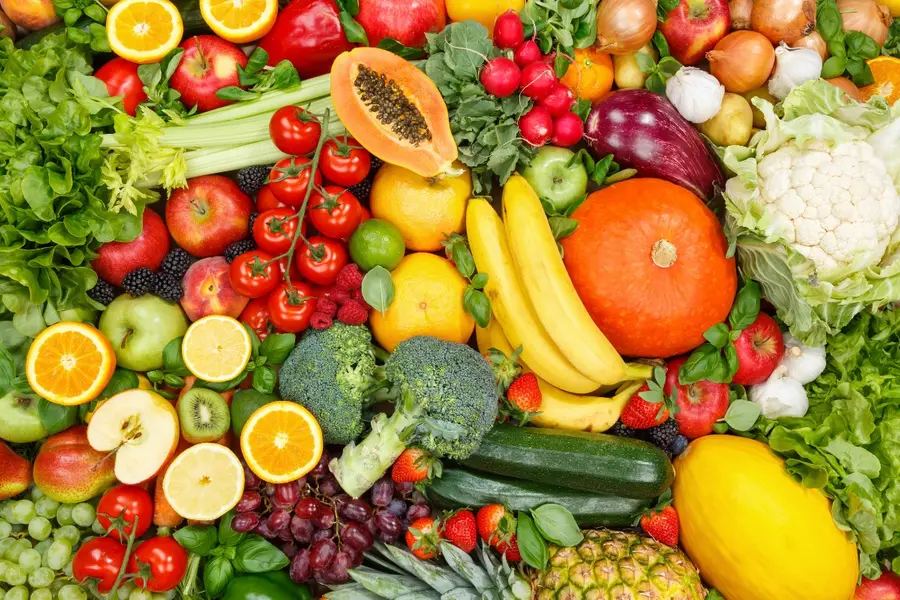
Think about the last time you prepared a pineapple. The spiky skin and tough core went straight into the bin, and you probably didn’t give it a second thought. Most of us do the same with butternut squash skins, watermelon rinds and the seeds scooped out of peppers. It turns out we may have been discarding the good stuff all along.
The fibre gap we rarely talk about
Here is a number worth sitting with: only 4 percent of British adults meet the recommended 30g of fibre a day. The average person manages just 16.4g, barely over half the target.
Fibre matters more than its slightly dull reputation suggests. It supports digestion, keeps you feeling full for longer, and is linked to a lower risk of type two diabetes, heart disease, certain cancers and early death.
Also Read: Warm, slow and held, inside Kerala’s postpartum kitchen
Meanwhile, the UK throws away roughly 10 million tonnes of food every year, and fresh fruit and vegetables make up more than a third of it.
Researchers at King’s College London wondered whether these two problems might share a solution.
What the scientists found
The team analysed 12 common types of fresh produce, including butternut squash, bell peppers, broccoli, kiwi, pineapple and watermelon. They measured the fibre in the parts we usually eat, then compared it with the parts we usually throw away, which they call the “root-to-tip” portions: peels, skins, seeds and stalks.
In 10 of the 12 cases, the discarded parts contained more fibre.
A few standouts:
- Pineapple skin and core held roughly five times more fibre than the flesh.
- Butternut squash skin and seeds contained 9.25g of fibre per 100g, close to a bowl of bran flakes.
- Watermelon rind offered 2.10g per 100g, about the same as a slice of wholemeal bread.
- Broccoli was the exception: the stalks had less fibre than the florets, so most of us are already eating the better part.
These scraps aren’t trivial either. They made up between a quarter and nearly half of the weight of the produce.
“That means people are discarding a significant portion of the produce we buy,” says project lead Dr Rachel Gibson.
“It’s also a financial loss. You’re effectively throwing away a substantial portion of what you’ve paid for.”
No one is asking you to eat a pineapple skin
Before you reach for a whole squash peel, take a breath. The researchers are clear that this isn’t about extreme eating.
“This is not about encouraging people to eat 100g of butternut squash skin and seeds,” explains Dr Balazs Bajka, who led the lab testing.
Also Read: 5 sleepy-time sips to pour before bed
The idea is simply to make better use of what we already buy, in everyday meals. There is also emerging evidence that eating fibre from a wider variety of sources may boost its benefits.
Easy ways to try it at home
Dr Gibson suggests starting small:
- Leave the skin on your kiwi fruit.
- Slice broccoli stalks into a stir-fry.
- Add bell pepper seeds to dishes instead of scraping them away.
What’s holding us back
The researchers also launched a root-to-tip menu at King’s and first tested the idea on a focus group of 40 staff and students. Three barriers came up:
- Mental discomfort: Eating parts we’ve been taught to discard feels odd.
- Digestibility worries: People weren’t sure whether these parts were safe or easy to digest.
- Lack of trustworthy information: Nutrition advice online, especially on social media, shifts fast and isn’t always credible.
Interestingly, participants said the fibre benefits motivated them more than environmental concerns did. Good news for anyone trying to persuade a reluctant household.
A job for the food industry too
Home cooks can only do so much. The researchers say real change at population level needs caterers and food manufacturers to look at the fruit and vegetable waste they generate and find ways to put it into healthier meals.
A few caveats
The study covered only 12 types of produce, and all were measured raw, so cooking may change both fibre content and digestibility. The team hopes future research will explore how root-to-tip eating can be introduced safely and practically for different groups of people.
The takeaway
“This isn’t about perfection, and it isn’t about forcing people to eat unpalatable food,” says Dr Gibson.
“Even small steps towards using more of the plant can have cumulative benefits for health and the environment.”
Also Read: Beyond apples and pumpkins, the Fall produce nutritionists reach for
So next time you’re peeling, scraping or trimming, pause for a moment. Some of what’s headed for the bin could be doing your body a favour.
The study was published in the International Journal of Food Sciences and Nutrition.
Published: 30 Oct 2026, 03:26 pm IST


ABOUT THE AUTHOR

Related Topics
Disclaimer: Kindly avoid objectionable, derogatory, unlawful and lewd comments, while responding to reports. Such comments are punishable under cyber laws. Please keep away from personal attacks. The opinions expressed here are the personal opinions of readers and not that of Mathrubhumi.