
Skip the squash-spice hype, these ten underrated autumn picks pack fiber, vitamins and gut-friendly compounds than usual seasonal shopping list.
Autumn produce aisles get crowded with the usual suspects, apples, pumpkins, sweet potatoes but dietitians say the real nutritional standouts of the season are hiding in plain sight. Trying new textures and flavors isn't just fun, it's also one of the simplest ways to eat a wider, healthier range of foods.
Here are ten fall fruits and vegetables that deserve a spot in your cart.
Okra
Best known for its slippery texture when cooked, okra owes that quality to mucilage, a fiber also found in chia seeds and oats that helps the body clear excess cholesterol. It's also a solid source of vitamins K, C and B6. Since it's too fibrous to enjoy raw, it shines in soups and stews instead.
Persimmons
Shaped like bright orange tomatoes, persimmons deliver a strong nutritional trio, fiber, vitamin C and carotenoids that support eyesight, skin and immunity. They can be eaten whole like an apple or sliced alongside cheese for a simple fall snack.
Jerusalem Artichokes
Sometimes mistaken for small potatoes or knobby ginger, these tubers are crunchy and nutty raw, similar to jicama and turn creamy once roasted or simmered. Their standout nutrient is inulin, a soluble fiber that feeds gut bacteria and slows digestion, and they contain roughly two and a half times more iron than spinach by weight.
Rutabaga
This turnip-cabbage hybrid punches well above its weight nutritionally, a medium rutabaga has nearly nine grams of fiber, more than double a comparable sweet potato, plus an unusually high protein count for a vegetable. Cooking and cooling it creates resistant starch, a fiber that avoids spiking blood sugar while nourishing gut bacteria. Mashed or roasted, it works like any classic root vegetable.
Also Read: The cookbooks worth the counter space of all time
Swiss Chard
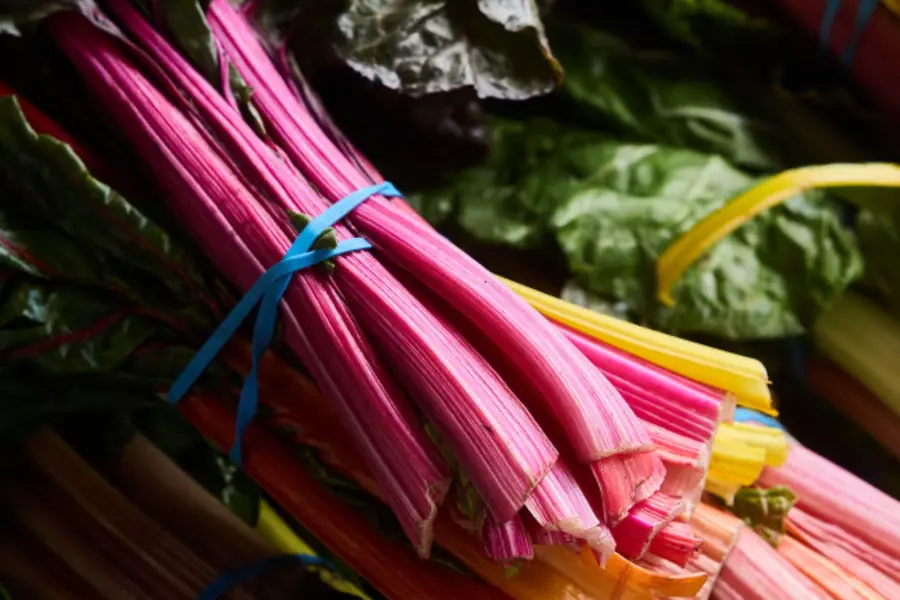
With its ruffled leaves and colorful stems, chard is as visually striking as it is nutritious, cooking down in minutes while delivering plenty of vitamin A for eye and immune health. It's also an exceptional potassium source, one cooked cup holds roughly two and a half times the potassium of a medium banana, making it an ally for blood pressure control.
Pomegranate Seeds
Far more than a garnish, these jewel-toned seeds get their color from anthocyanins, plant pigments linked to reduced inflammation in the heart and blood vessels. They're also rich in insoluble fiber, which adds bulk to stool and supports regularity.
Winter Squash
Delicata, kabocha, spaghetti and butternut varieties all share a similar nutritional profile, high fiber alongside carotenoids like beta-carotene, lutein and zeaxanthin, which fight inflammation, protect skin and may guard against macular degeneration. Delicata's thin skin is edible and worth keeping on, since it carries extra insoluble fiber.
Cranberries
Too tart to eat raw, cranberries reveal their appeal once roasted, simmered into sauce or baked into muffins. They supply vitamins C, E and K, along with flavonoids that give them their signature red hue and may help fight inflammation and cell damage, just watch for added sugar in dried or canned versions.
Pears
Often overshadowed by apples, pears actually contain more fiber per serving, about 4.5 grams versus roughly 3 grams in a similarly sized apple. Their skin is loaded with anti-inflammatory flavonoids, and their natural fructose content, paired with fiber, helps keep digestion moving smoothly.
Brussels Sprouts
Roasted with olive oil until crisp, these mini brassicas pack about 40 calories and 3 grams of fiber per raw cup, plus nearly as much vitamin C as an orange. They're also rich in vitamin K for bone and blood health, and their pungent sulfur compounds may offer some cancer-protective benefits.
Also Read: This black sesame rice cake is basically edible silk
The takeaway from nutrition experts is simple, variety matters as much as any single ‘superfood.’ Rotating in a few of these lesser-known picks this season is an easy way to broaden your plate and your nutrient intake without much extra effort.
(All images used in this article is sourced from Pinterest)
Published: 27 Sept 2026, 12:54 pm IST
ABOUT THE AUTHOR

Related Topics
Disclaimer: Kindly avoid objectionable, derogatory, unlawful and lewd comments, while responding to reports. Such comments are punishable under cyber laws. Please keep away from personal attacks. The opinions expressed here are the personal opinions of readers and not that of Mathrubhumi.