
Australian budget airline to charge for overhead cabin bags from 2027
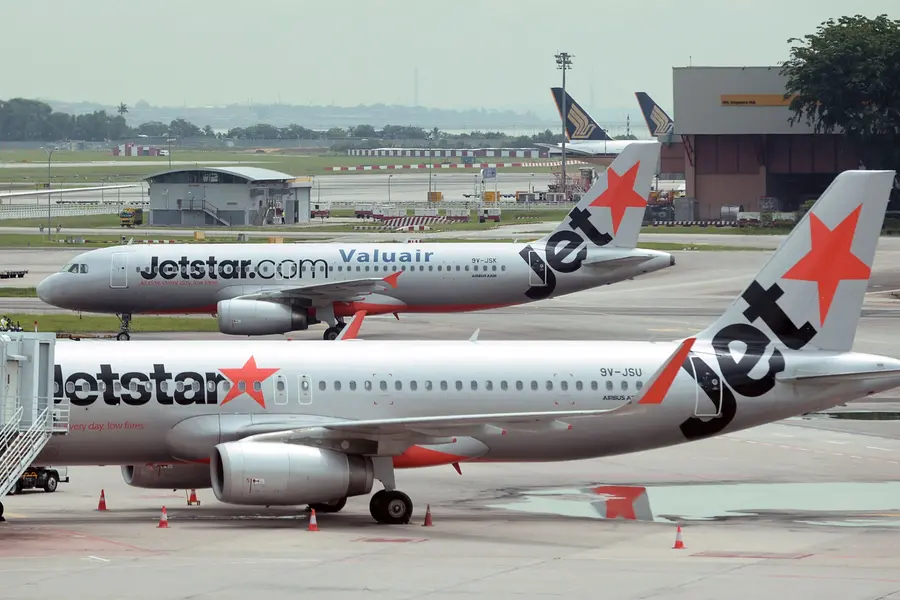
Imagine boarding a flight with your small cabin suitcase, only to be told that placing it in the overhead locker will cost extra. That is exactly what Australian low-cost airline Jetstar plans to introduce from February 2027. Under the new policy, passengers will no longer get free access to the overhead luggage compartments with a standard ticket. Instead, only a small bag that fits under the seat will be allowed free of charge, while anyone carrying a cabin suitcase will have to pay an additional fee.
The move has sparked debate among travellers, with some calling it a practical way to reduce boarding delays, while others see it as yet another extra charge for passengers.
Also Read

What is changing?
From February 2, 2027, every Jetstar ticket will include only one small personal item free of cost. This could be a handbag, backpack or laptop bag that fits underneath the seat in front of the passenger. Those carrying a larger cabin suitcase that needs to be placed in the overhead locker will have to purchase a separate "Priority Carry On" option.
Passengers who pay for this service will also be allowed to board the aircraft earlier, giving them easier access to overhead storage space. Jetstar says there will be no changes to its checked baggage policy.
Why is the airline doing this?
According to Jetstar, many passengers complain about two common problems while boarding a flight. The first is having their cabin bags weighed at the boarding gate. The second is the struggle to find empty space in the overhead luggage compartments.
The airline believes that limiting overhead bags will make boarding quicker, reduce delays and help flights leave on time. Jetstar also says the new system follows the "pay for what you use" model adopted by many low-cost airlines around the world.
Passengers’ reactions
Not everyone is happy with the decision. Some travellers feel the new rule is fair because passengers travelling with only a small bag will not have to pay for services they do not use.
Others believe airlines are gradually charging extra for facilities that were once included in the ticket price. Travel experts say the biggest advantage may be shorter boarding times and less confusion inside the aircraft. However, many passengers are worried that family holidays and business trips could become more expensive if they have to pay separately for cabin baggage.
Overhead lockers
For many travellers, especially those on short trips, cabin baggage is the most convenient option. Business travellers often carry only a small suitcase to avoid waiting at baggage claim after landing. Families travelling with children also prefer keeping essential items close to them during the journey. If access to overhead lockers becomes a paid service, many passengers may either travel with smaller bags or choose to check in their luggage instead.
Could this happen in India?
Although no Indian airline has announced such a policy, the development raises an interesting question. Could Indian airlines eventually introduce similar charges?
India's aviation market is one of the fastest-growing in the world, and airlines are constantly looking for ways to improve efficiency while keeping ticket prices competitive. If a similar system were introduced here, it could have both advantages and disadvantages.
On the positive side, boarding could become faster, flights may depart on time more often and passengers carrying only a handbag or backpack might benefit from lower fares if airlines choose to pass on some savings. However, the impact on Indian travellers could be significant.
Many Indian passengers prefer travelling with cabin baggage, particularly on domestic routes where trips are short. Families, students and business travellers often rely on overhead lockers instead of checking in luggage. If airlines begin charging separately for cabin suitcases, the overall cost of travel could increase even if the base airfare remains low.
Passengers may also find themselves comparing airlines not only on ticket prices but also on what is included in the fare.
A bigger change in air travel
Jetstar's decision reflects a larger trend in the airline industry. Over the years, airlines have started charging separately for services such as seat selection, meals, priority boarding and extra baggage. Now, even overhead locker space is being treated as a premium service.
For airlines, this creates an additional source of revenue and may help improve operational efficiency. For passengers, however, it raises an important question. Are low fares really cheaper if every additional service comes with an extra price tag?
As airlines continue to rethink their business models, travellers may have to get used to paying only for the services they choose. Whether passengers accept this approach or push back against it, could shape how airlines design their fares in the years to come.
Published: 05 Aug 2026, 03:10 pm IST
ABOUT THE AUTHOR
Related Topics
Disclaimer: Kindly avoid objectionable, derogatory, unlawful and lewd comments, while responding to reports. Such comments are punishable under cyber laws. Please keep away from personal attacks. The opinions expressed here are the personal opinions of readers and not that of Mathrubhumi.