
India has opted for a measured diplomatic approach by sending senior representatives instead of Prime Minister Narendra Modi to Ayatollah Ali Khamenei's state funeral, reflecting its effort to balance ties with Iran while preserving strategic partnerships with the US, Israel and Gulf nations.
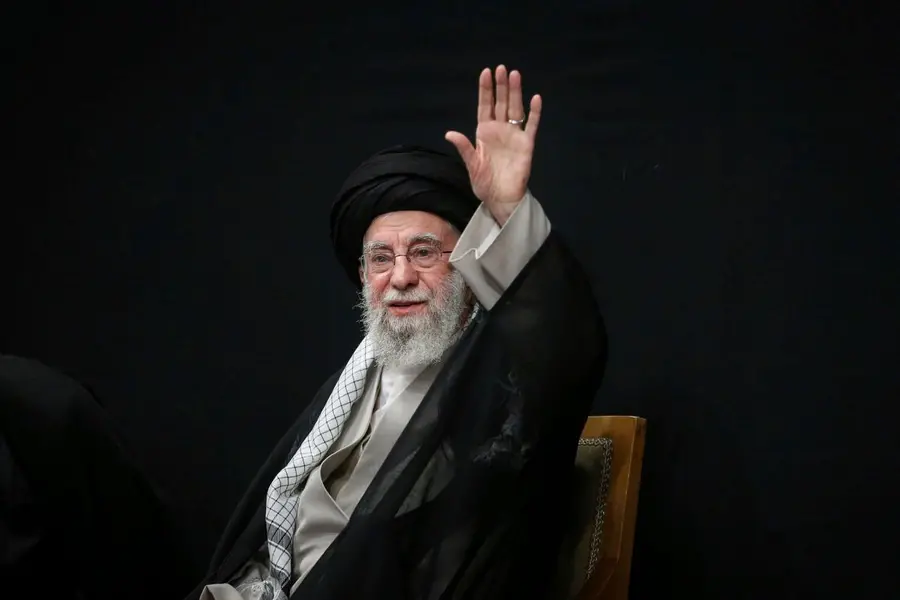
When Iran's Supreme Leader Ayatollah Ali Khamenei was killed in a joint US-Israeli airstrike in February, it shook the whole world. Now, more than four months later, Iran is holding a grand state funeral.
The ceremonies begin in Tehran on July 4, and he will be buried in his home town of Mashhad on July 9, with millions expected to attend. Iranian President Masoud Pezeshkian personally invited Prime Minister Narendra Modi. But Modi will not go himself. Instead, Bihar Governor Lt Gen (Retd.) Syed Ata Hasnain and Minister of State for External Affairs Pabitra Margherita will represent India. Behind this small decision lies a very delicate balancing act.
Also Read

Why attending could have helped India
There were good reasons to send a top leader. India and Iran share an old, deep friendship built over decades in oil, trade, culture and connectivity. The Chabahar Port in Iran is one of India's most important projects, giving India a route to Afghanistan, Central Asia and Europe without depending on Pakistan. Showing warmth at such a moment keeps this friendship strong.
There is a religious angle too. Khamenei was respected by Shia Muslims worldwide, and after Iran, India has the largest Shia population. Honouring him would touch the hearts of millions of Indians. Attending would also send a proud message that India takes its own decisions and is not controlled by any outside power, even friends like America and Israel.
ALSO READ | 300% price shock: How America is hijacking India’s AMCA stealth fighter
Why staying away also made sense
But there were equally strong reasons to be careful. Khamenei did not die in an ordinary way. He was killed in a strike by the US and Israel, both now among India's closest partners. India's defence, technology and trade ties with these two nations have grown hugely. Sending Modi himself could have upset Washington and Jerusalem at a very tense time.
India must also think about the Gulf. More than one crore Indians live and work in Gulf Arab countries, many from Kerala, sending home precious earnings. During the recent conflict, India quietly criticised Iran's attacks on Gulf nations to protect these workers. Modi remembered how the UAE expelled many Pakistani workers, suspecting Pakistan of helping Iran. India did not want the same fate.
There is history as well. When Modi visited Iran in 2016, Khamenei often compared Muslims in Kashmir with those in Palestine — remarks India never liked. So Khamenei was never a personal friend of India the way some other leaders were. Sending the Prime Minister would have looked like too much.
Why these two leaders were chosen
This is where India's clever thinking shows. By picking Syed Ata Hasnain and Pabitra Margherita, India found a respectful middle path — present at the funeral, but not at the very top level that might trouble its other friends.
Lt Gen (Retd.) Syed Ata Hasnain is a highly respected retired Lieutenant General of the Indian Army, well known for his long service in Jammu and Kashmir and his deep understanding of national security, counter-terrorism and strategic affairs. He is admired for promoting peace, dialogue and better relations between communities. As a senior figure who is also a Muslim, his presence carries dignity and sends a warm, sensitive message to Iran and the Shia world. Pabitra Margherita is the Minister of State for External Affairs and a Rajya Sabha member from Assam, who regularly represents India at international meetings and supports the country's diplomatic outreach. He officially speaks for the Government of India and follows proper protocol. Together, the two men show genuine respect without turning it into a headline-grabbing visit by the Prime Minister.
Modi also has an honest reason to stay away. His pre-planned official visits to Indonesia, Australia and New Zealand fall on the very same days. This gives India a polite excuse. Nobody can say India ignored Iran, yet Modi avoids a visit that rivals like Saudi Arabia, America and Israel would have noticed unhappily.
ALSO READ | Made in India, built for victory: INS Dunagiri, Sanshodhak & Agray boost naval dominance
The bigger picture
India has handled such moments before. When Iranian President Ebrahim Raisi died in a helicopter crash in 2024, India declared a day of mourning and sent the then Vice President to Tehran. This time the situation is far more sensitive because of how Khamenei died.
In the end, this small decision tells a big story about how India works in today's complicated world. New Delhi wants to stay friendly with everyone — Iran, America, Israel and the Gulf — without fully taking any one side. By sending two respected representatives instead of the Prime Minister, India offers Iran sincere respect while protecting its other vital friendships. It is diplomacy walking carefully on a rope — and for now, India is keeping its balance.
(Girish Linganna is an award-winning science communicator and a Defence, Aerospace & Geopolitical Analyst. He is the Managing Director of ADD Engineering Components India Pvt. Ltd., a subsidiary of ADD Engineering GmbH, Germany.)
Published: 30 Jun 2026, 10:00 pm IST
Disclaimer: Kindly avoid objectionable, derogatory, unlawful and lewd comments, while responding to reports. Such comments are punishable under cyber laws. Please keep away from personal attacks. The opinions expressed here are the personal opinions of readers and not that of Mathrubhumi.