
Digi Yatra is testing its digital identity system for international departures, allowing eligible Indian e-passport holders to use digital credentials and facial authentication at participating airport touchpoints. In this interview, Suresh Khadakbhavi, CEO of Digi Yatra Foundation, explains how the trials work, what passengers need to know about eligibility and data privacy, and what could determine a wider rollout in 2027.
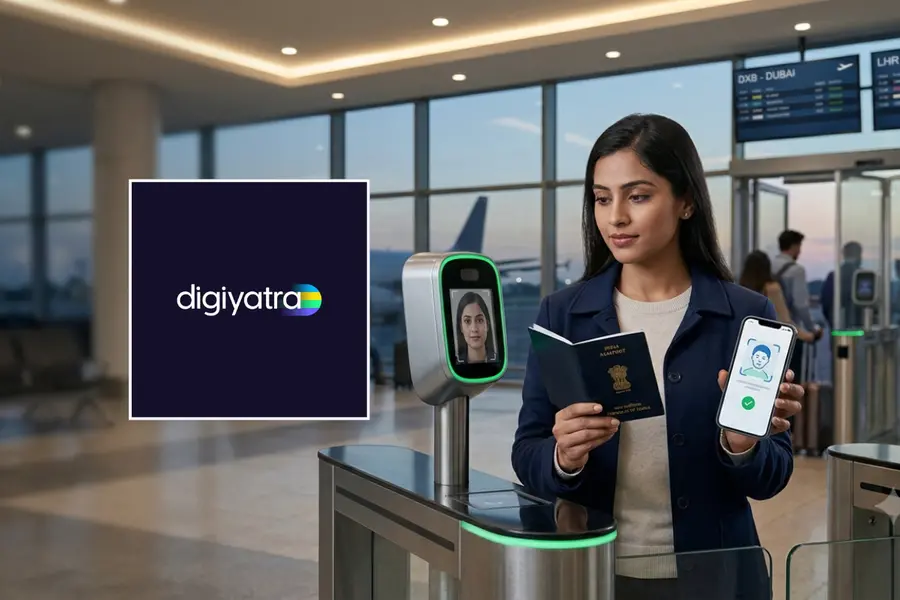
Imagine reaching the airport and moving through enabled checkpoints without repeatedly presenting your passport at every step. With its international passenger trials, Digi Yatra is taking its digital identity experience beyond domestic air travel, exploring how e-passport-based credentials and facial authentication can make international departures more seamless.
The trials, involving eligible Indian e-passport holders travelling on participating Air India and select IndiGo international flights across seven Indian airports, mark an important step in this journey. However, international travel brings additional considerations, from immigration and security requirements to data privacy, technology compatibility and cross-border interoperability.
In this interview, Suresh Khadakbhavi, CEO of Digi Yatra Foundation, explains how the international trials work, what passengers can expect at the airport, how their personal information is protected, and what needs to happen before the initiative can expand further. He also discusses the lessons drawn from more than 110 million domestic journeys and how Digi Yatra is preparing for a future in which digital identity could make international travel more convenient without compromising passenger choice, privacy or security.

1. How will Digi Yatra make the international travel experience easier for passengers compared with the existing process? What difference will they notice at the airport?
Digi Yatra’s international passenger trials mark an important step in extending the convenience of digital identity beyond domestic air travel. Eligible passengers will be able to create an e-passport-based Verifiable Credential through the Digi Yatra app and use facial authentication at enabled airport touchpoints. The key difference is that passengers will not need to repeatedly present their identity documents at every participating touchpoint. Instead, their identity can be verified digitally, helping make the journey more seamless and reducing repetitive manual checks. The experience will depend on the infrastructure available at each airport. In addition, Digi Yatra International Passenger Trials complements existing procedures and does not replace mandatory airline document checks, aviation-security processes, immigration or other statutory formalities.
2. Will passengers have to complete the entire registration process before reaching the airport? How much time should they set aside to create their digital credentials?
Yes, eligible passengers should create their credentials in advance through the Digi Yatra app. Under My Credentials, they can select ePassport, provide consent, scan the passport’s machine-readable zone, read its electronic chip using NFC, complete the selfie step and review the details. The credential is stored in their Digi Yatra wallet. Completion time varies by device compatibility and successful verification. Passengers must carry their physical passports and other required travel documents.
3. The trial is currently limited to Indian nationals with e-passports. What about Indian citizens who still hold passports without an electronic chip? Can they continue using Digi Yatra for domestic travel as usual?
Indian citizens without chip-enabled e-passports are not eligible for the current international trial, which requires an ePassport-based credential. They can continue using the regular international travel process. Domestic Digi Yatra remains available under its existing eligibility requirements, using supported credentials such as Aadhaar and Driving Licence. The international trial is an initiative intended to evaluate digital credentials for international departures and inform decisions on a potential wider rollout in 2027.
4. How will Digi Yatra protect passengers' personal and biometric data during international travel? How long will the digital credentials remain on their devices, and how can passengers delete them?
Digi Yatra follows a decentralised, privacy-by-design approach. The passenger’s credential and boarding pass remain in the Digi Yatra wallet on their device; Digi Yatra does not maintain a central repository of personally identifiable information or facial biometric data. Following passenger consent, the information required for identity and journey validation is shared with the participating origin airport. Under the trial arrangements, the airport must delete shared passenger data within 24 hours of the flight’s Scheduled Departure Time (STD). Passengers can delete their ePassport credential through the app. Digi Yatra is voluntary, and passenger consent, security and transparency remain important principles.
5. If facial recognition fails, the phone is incompatible, or the system is temporarily unavailable, what should passengers do? Will they be able to use the regular airport process without delays?
Digi Yatra is designed to make passenger processing more convenient, but international travel involves multiple systems and mandatory verification requirements. It is designed to facilitate passenger processing at enabled touchpoints, but the international trial remains a beta programme. If authentication fails, airport confirmation is delayed or a system is unavailable, passengers should follow airport personnel’s instructions and use the regular airport process. They should carry their physical passports, boarding passes and all other required travel documents. Using Digi Yatra at terminal entry does not guarantee availability at subsequent touchpoints.
6. Will Digi Yatra be available to children travelling on e-passports, and how will parents or guardians manage their digital credentials?
The international trial is focused on eligible Indian nationals holding chip-enabled e-passports. Where the Add Minor’s Credentials feature is available, a parent or guardian can create and manage a child’s ePassport-based credential using the child’s passport. The child’s journey must be managed through the linked adult profile or device, as supported by the app. The redesigned app also includes clear indicators for guardian and minor credentials. Parents and guardians should ensure that children carry their physical passports and all other required travel documents.
7. Since the trial covers international flights operated by Air India and select IndiGo destinations, how will passengers check whether their particular flight and airport touchpoints are enabled?
The trials cover seven airports: Delhi, Bengaluru, Hyderabad, Cochin, Mumbai, Chennai and Amritsar. Eligible Indian nationals holding e-passports can participate when travelling on international flights operated by Air India and on selected international destinations served by IndiGo.
However, the availability of Digi Yatra may differ by airport and touchpoint, depending on the infrastructure in place. These touchpoints may include terminal entry, the Security Hold Area and boarding gates.
Passengers should check the latest information provided through Digi Yatra’s official communication channels including their website https://digiyatrafoundation.com/international-passenger-trial
and their airline before departure to establish whether their flight and relevant airport touchpoints are enabled. Regardless of eligibility, passengers must continue to carry their physical travel documents and complete mandatory airline and immigration procedures.
8. How will passenger feedback during the November–December trials be evaluated? What specific improvements or benchmarks will determine whether the programme is ready for wider rollout in 2027?
The trial will help us evaluate credential creation, ePassport chip verification and processing consistency across participating touchpoints. Passenger feedback will help identify usability challenges, friction points and areas requiring improvement. We will also assess integration and operational readiness across the participating ecosystem. The findings will inform decisions on potential wider rollout in 2027. Specific benchmarks and timelines will depend on the trial outcomes, technical readiness, stakeholder coordination and overall passenger experience.
9. How will Digi Yatra work alongside international identity standards such as IATA's One ID and ICAO's Public Key Directory? What practical benefits could this interoperability eventually bring to Indian passengers?
Interoperability with global frameworks is important to the future of digital international travel. IATA’s One ID framework promotes seamless journeys through digital credentials, advance verification and consent-based biometric identification. ICAO’s Public Key Directory facilitates the validation of electronic travel documents through access to the public keys needed to verify digitally signed passport data.
Digi Yatra’s international trials will help explore how ePassport-based digital credentials can operate within this broader ecosystem. Over time, interoperability could reduce repetitive identity checks and improve passenger processing across participating airlines, airports and countries. This would require further stakeholder coordination and compliance with applicable security, privacy and regulatory requirements. Existing border-control procedures would continue to apply.
10. Digi Yatra has already facilitated more than 110 million journeys. What are the biggest lessons from domestic operations that you are applying to international travel?
Our domestic experience, with more than 110 million journeys facilitated, has reinforced that user trust is the foundation of digital identity adoption. Convenience alone is not enough; passengers must feel confident that their personal information remains protected and that they retain control over their data.
Digi Yatra’s decentralised, privacy-by-design architecture is central to this trust. By keeping credentials in the passenger’s device wallet and enabling consent-based sharing, we aim to make digital travel both seamless and privacy-conscious. We are applying these principles to international travel while working closely with airlines, airports and technology partners to build a secure, interoperable ecosystem that prioritises passenger choice, transparency and trust.
Published: 28 Oct 2026, 07:45 pm IST
ABOUT THE AUTHOR
Related Topics
Disclaimer: Kindly avoid objectionable, derogatory, unlawful and lewd comments, while responding to reports. Such comments are punishable under cyber laws. Please keep away from personal attacks. The opinions expressed here are the personal opinions of readers and not that of Mathrubhumi.