
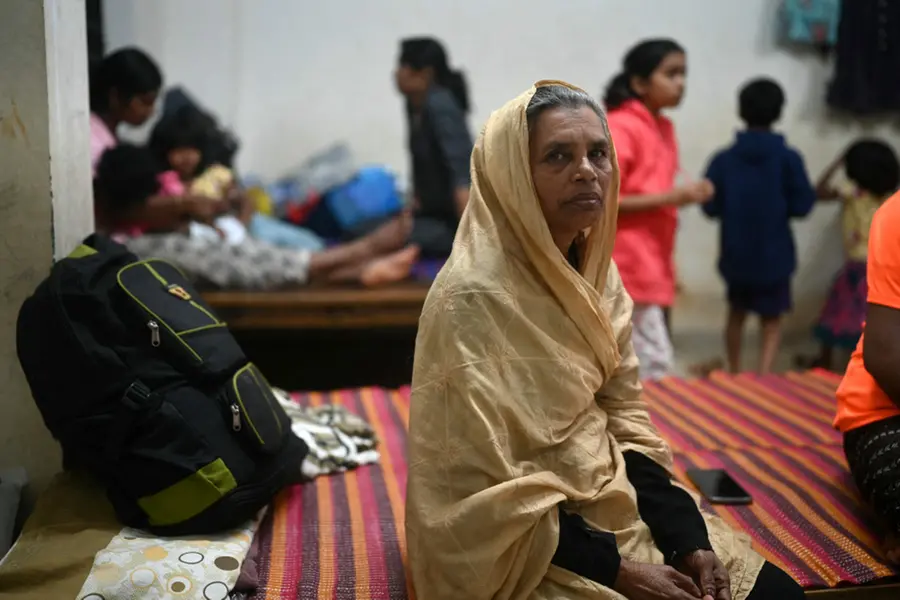
Even as Wayanad district in Kerala comes to terms with the catastrophic landslides that claimed over 350 lives and whereabouts of 200 more still unknown, a bigger challenge now stares upon suvivors -- Trauma. The loss of family members, assets and livelihood has underscored the critical need for psychological support for survivors and their families.
Mathrubhumi English spoke to Dr Satish Kumar, Consultant Clinical Psychologist at Manipal Hospital in Bengaluru, who highlighted the impact of such disasters on mental health, noting that both survivors and their relatives can experience severe psychological trauma. "The crisis in Kerala can be devastating for those directly affected, as well as their families and significant others," he explained.
Also Read

The trauma experienced can severely impair decision-making and problem-solving abilities, with affected individuals often struggling to process the gravity of their situation.
"People in catastrophic situations may not immediately understand what to do," Dr. Kumar noted. “They might be in shock, unable to process the loss of loved ones or their property, and find it difficult to determine whom to reach out to for help," he added.
The emotional strain is particularly intense for family members of those who are missing. “Families of the missing face extreme helplessness, as they are uncertain about whether their loved ones are alive or dead. As time passes and the reality of not finding their loved ones sets in, they may begin to accept the loss, which adds to their grief," Dr. Kumar said.
Dr. Kumar also highlighted the long-term psychological effects, particularly the risk of Post-Traumatic Stress Disorder (PTSD). “PTSD is a severe response to catastrophic events. It involves reliving traumatic experiences through flashbacks and nightmares, which can disturb sleep, appetite, and day-to-day functioning.”
Survivors may face recurring emotional and physiological stress responses triggered by reminders of the trauma. These reminders can include sights, sounds, or situations similar to those experienced during the disaster. For instance, the sound of water might evoke memories of the landslide, or the sight of floodwaters could bring back distressing recollections. These triggers can cause survivors to relive their trauma, experiencing intense fear and anxiety similar to what they felt during the original event.
To address these challenges, Dr. Kumar stressed the importance of psychological first aid. This involves providing immediate support to those affected, which includes listening to their experiences, offering emotional support, and helping them access mental health resources.
"Psychological first aid helps individuals express their emotions and provides coping strategies to manage their distress. It is crucial to empower survivors with resources and encourage them to reach out to family, friends, or mental health professionals," he stated.
Dr. Kumar also pointed out the role of government bodies, NGOs, and private agencies in providing basic necessities like food, shelter, and medical care. However, he emphasised that psychological support should be an integral part of disaster response efforts. "While physical aid is essential, addressing the psychological impact of such tragedies requires efforts from mental health professionals and support networks," he concluded.
Published: 04 Aug 2024, 02:53 pm IST
Related Topics
Disclaimer: Kindly avoid objectionable, derogatory, unlawful and lewd comments, while responding to reports. Such comments are punishable under cyber laws. Please keep away from personal attacks. The opinions expressed here are the personal opinions of readers and not that of Mathrubhumi.