
Air pollution is a result of urbanization and economic growth. The air quality index (AQI) is a yardstick that runs from 0-500, which indicates how polluted is the air you breathe. The higher the value, the greater the level of air pollution.
The AQI of Delhi on January 5 was above 300 and in Tiruppur was 260. Compared to that, Kochi's AQI on the same date was low ( 81). However, this falls under the moderate category, which means extremely sensitive children and adults should refrain from strenuous outdoor activities. Among various locations in Kochi, AQI in Kacheripady was the highest (115). Our AQI had gone up to 200 during the dump yard fire incident in Brahmapuram in March 2023.
What is particle pollution and where does it come from?
Eight pollutants are considered in India while calculating AQI. PM10, PM 2.5, Nitrogen dioxide, Sulphur dioxide, Carbon monoxide, Ozone, Ammonia and Lead. It is not always the visible smoke from factories or automobiles that causes hazardous AQI. Particulate matter (PM) are small airborne pollutant composed of small droplets of liquid, dry solid fragments, and solid cores with liquid coatings that may also cause pollution. PM 10 and 2.5 are fine particles that have a diameter of less than 10 microns and 2.5 microns respectively. These particles may be invisible to the naked eye and smaller than human hair, which has a diameter of 50-70 microns.
PM10 includes dust from construction sites, landfills, agriculture waste burning, and industrial sources. Unlike other developed countries where a large proportion of public areas will be paved or with road verges, in our country, we have lots of open lands. Wind-blown dust from open lands, construction sites, or poultry farms will contain lots of PM and are very harmful. Particulate pollution may cause a wide range of health problems like skin irritation, itching or redness of the eyes, worsening of bronchial asthma, acute bronchitis, and even interstitial lung disease or lung cancer in case of chronic exposure.
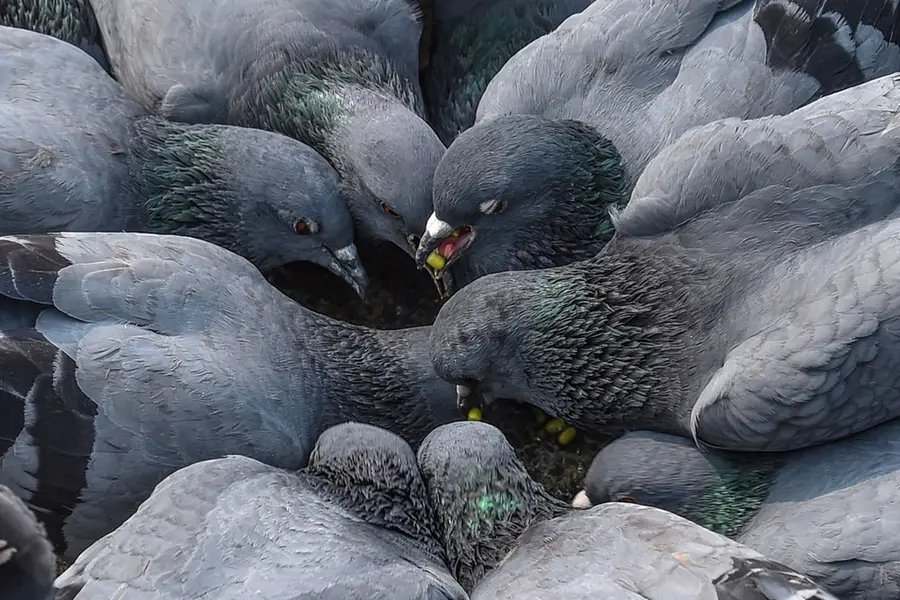
Another significant threat to lung health is chronic exposure to bird antigens. As a part of urbanization a huge proportion of our population is staying in multistoried apartments. Most of the apartments are infested with pigeons and other birds. Even though people keep the windows shut to reduce the exposure, the outdoor AC unit may suck in the bird antigen which is present outside.
Effective strategies for managing pulmonary disease:
- If AQI is above 100, highly sensitive individuals, and if AQI is above 150 children, pregnant women and the elderly should avoid strenuous outdoor activities. Cycling through main roads during peak traffic hours may cause more injurious effects than its benefits. A mild form of exercise may be considered slightly far away from main roads.
- Remain indoors as much as possible during high pollution episodes. The sensitive subset of people should remain indoors during heavy traffic hours.
- Mask or particulate respirators ( N95 masks) may be used in case of prolonged outdoor activities during peak traffic hours, even though the scientific evidence is limited on their effectiveness against air pollution. Paper or cloth masks will trap large particles only, hence they should not be relied upon for protection against PM 10 and 2.5. The fitment of the mask is also important.
- Limit unnecessary travel by cars, two-wheelers, or any other motorized vehicles. This will not only prevent additional personal exposure, but it will reduce the pollution emitted from our vehicles. Try to use public transport and reduce single-occupancy vehicle travel.
- Avoid indoor usage of wood burning stove, Agarbatti, and mosquito repelling incense.
- Try to avoid firecrackers during festive seasons.
- Wet mopping and vacuum cleaning are preferable to sweeping.
- Avoid indoor pet birds, especially in a sensitive subset of patients.
- Avoid e-cigarettes, cigarettes, and other tobacco products.
- Those who are on treatment for lung diseases should keep a close follow-up with their doctor and use the prescribed medicines ( inhalers) properly.
(The author is a Consultant Interventional Pulmonologist at Apollo Adlux Hospital, Angamaly)
Published: 13 Jan 2024, 09:17 pm IST
Related Topics
Disclaimer: Kindly avoid objectionable, derogatory, unlawful and lewd comments, while responding to reports. Such comments are punishable under cyber laws. Please keep away from personal attacks. The opinions expressed here are the personal opinions of readers and not that of Mathrubhumi.
