
A weak monsoon has already cut the kharif outlook, delayed winter sowing and drained reservoirs. The challenge is to protect food supplies and farm incomes while turning record production into lasting export growth
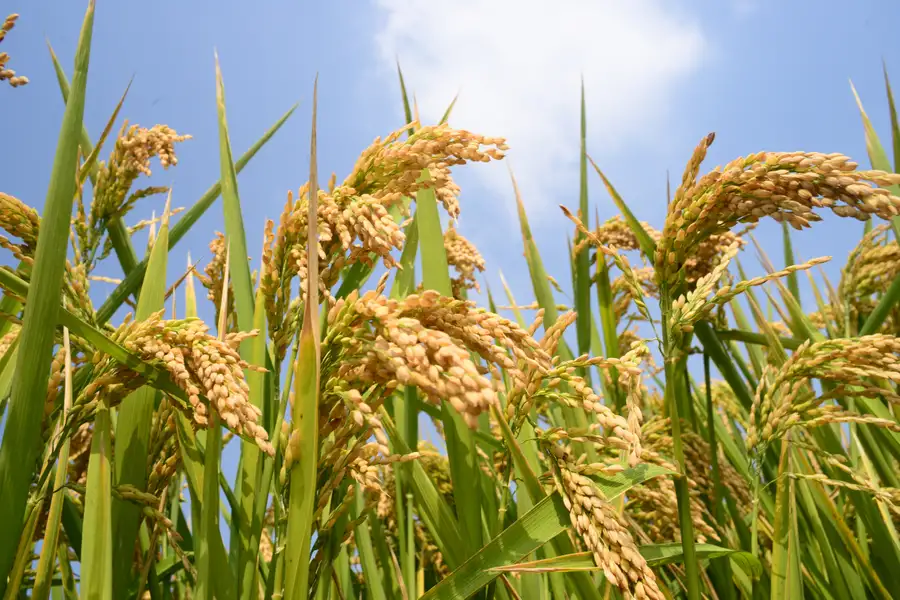
As India’s farm sector enters a boom period with record harvests, soaring exports and new trade agreements opening richer markets for agri products, the country has stepped up efforts to deal with a possible El Nino season with district-level drought plans and a sharp focus on crops that need less water
A weak monsoon has already cut the kharif outlook, delayed winter sowing and drained reservoirs. The challenge is to protect food supplies and farm incomes while turning record production into lasting export growth.
Also Read

India faces the season from a position of record production. Final estimates put 2025–26 foodgrain output at 378.54 million tonnes, up 5.8% from the previous year and well above the 265.05 million tonnes recorded in 2013–14. Rice reached 155.15 million tonnes, wheat 122.06 million and maize 55.03 million. Pulses stood at 27.24 million tonnes, while oilseeds hit a record 43.26 million.
Growth extends beyond cereals. Horticulture output is projected at a record
386.9 million tonnes, including 123.1 million tonnes of fruit and 227.3 million tonnes of vegetables. Milk production rose 2.4% to 253.81 million tonnes in 2025–26, its slowest growth in five years. Fish production reached 19.77 million tonnes in 2024–25.
The June–September monsoon delivered 759.4 mm of rain, 87% of normal and the weakest total since 2015. Six states, including Maharashtra, Karnataka and Rajasthan, declared drought across large areas.
Kharif foodgrain output in 2026–27 is estimated at 167.14 million tonnes, down 5.1% from last year but above the five-year average. Maize is forecast to fall 14.8% to 26.06 million tonnes, while rice is estimated at 121.91 million. Rabi sowing covered 37.73 million hectares by November 27, 8.6% less than a year earlier. Wheat and coarse cereals lagged; mustard area grew 2.9%. Major reservoirs held 31.6% less water than last year.
The government prepared contingency plans for about 315 districts ahead of kharif, including 111 high-priority areas with limited irrigation. States were advised to promote short-duration, less water-intensive crops, especially pulses, millets and oilseeds, and to move fodder from surplus to deficit regions. A dynamic plan now covers 225 districts for rabi. The Indian Council of Agricultural Research is developing a dashboard combining weekly weather forecasts and water data.
The government has set a rabi foodgrain target of 177.72 million tonnes, within a full-year goal of 373.93 million—below last year’s harvest. Food stocks
Published: 29 Nov 2026, 12:39 pm IST


Related Topics
Disclaimer: Kindly avoid objectionable, derogatory, unlawful and lewd comments, while responding to reports. Such comments are punishable under cyber laws. Please keep away from personal attacks. The opinions expressed here are the personal opinions of readers and not that of Mathrubhumi.