
For parents ageing in Kerala’s migration centres, regular remittances need to be matched by reliable care and emergency support, says Dr Ranjith Krishnan
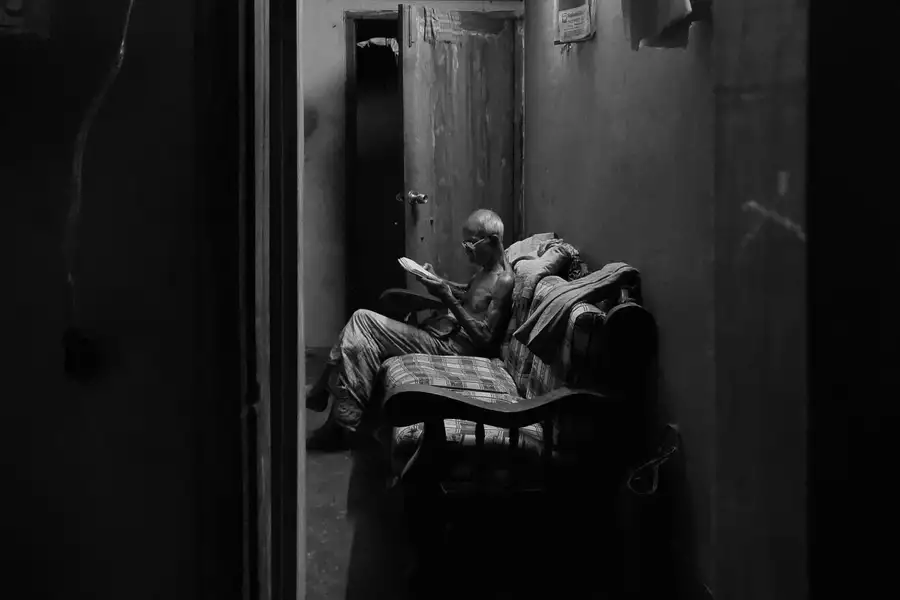
Be it Kumbanad in Pathanamthitta, Arimpur in Thrissur or Koothuparambu in Kannur, the care gap across Kerala has been well-documented. A 2025 qualitative study of 20 older people whose children had moved elsewhere in India or overseas found loneliness and anxiety about obtaining practical help. One man in his eighties received meals through neighbours but had few visitors. Another participant feared nobody could take him to hospital during an emergency. These experiences give Keralam’s debate on elder protection a human face.
Kerala Migration Survey 2023 estimates, reproduced on the State’s Data Portal, record approximately 3.78 lakh emigrants from Malappuram, 1.44 lakh from Kottayam and 1.02 lakh from Pathanamthitta. These figures do not measure how many parents live alone. They underline the need to assess care arrangements in migration centres rather than assume remittances resolve every difficulty.
At a migration conclave in January 2024, expatriates joining online raised concerns about care for parents back home. The Keralam Senior Citizens’ (Care and Protection of Rights) Bill, 2026, approved by the Assembly on October 26, approaches ageing through rights, services and accountability. Its implementation must address these local realities. The State Planning Board’s Economic Review 2025 cites projections placing people aged 60 and above at 20.9 per cent of Kerala’s population in 2031.
Indian law already recognises that maintenance extends beyond cash. Section 2(b) of the Maintenance and Welfare of Parents and Senior Citizens Act, 2007 includes food, clothing, residence and medical attendance and treatment. Section 4 provides maintenance relief where a parent or senior citizen cannot maintain themselves from earnings or property, subject to statutory conditions. A regular bank credit is evidence of support; it does not alone establish that essential needs are met.
Payment may fulfil the monetary requirement of a particular maintenance order. Wider care depends on individual circumstances. Someone with dementia or impaired mobility may need help with meals, medicines and daily activities. A financially-independent pensioner may fall outside the maintenance-relief threshold while urgently needing accessible care services.
Living abroad cannot itself establish abandonment. Parents may choose to remain at home, while children face employment or immigration constraints. The same 2025 study recorded children arranging hospital transport and speaking to doctors from afar. Such efforts deserve recognition.
The 2007 Act applies to Indian citizens overseas, although serving notice and securing compliance across borders can present difficulties.
Property protection is equally important. Under Section 23 of the 2007 Act, a qualifying property transfer conditional on providing basic amenities and physical needs can be declared void by the tribunal if that obligation is breached.
Gifts do not automatically become revocable after family disagreements. Independent advice and clearly recorded care obligations and residence rights can protect older owners before they transfer their principal asset.
Existing legal routes must remain visible. Section 144 of the Bharatiya Nagarik Suraksha Sanhita, 2023 permits maintenance orders where a person with sufficient means neglects or refuses to maintain a parent unable to maintain themselves.
Kerala’s Maintenance and Welfare of Parents and Senior Citizens Rules, 2009 support the tribunal framework: Revenue Divisional Officers preside over maintenance tribunals and District Collectors over appellate tribunals. The Kerala State Elderly Commission Act, 2025 provides mechanisms for protection, inquiry and coordination.
The Bill proposes registration of care centres and home-care agencies, phased caregiver certification, protection units and digital safeguards. Responsibilities must be clear. An older woman reporting financial coercion should not have to discover whether to approach a tribunal, the Commission, the police or a protection unit. Government should publish referral procedures and assign responsibility for following each complaint through.
Registration must produce supervision. Inspection should examine staffing, medication practices, nutrition, restraint, emergency readiness and opportunities to complain privately. Home-care contracts should disclose charges, duties, replacement arrangements and grievance procedures. If a caregiver resigns without notice, an agency’s certificate offers little protection unless a replacement arrives. Rules must ensure continuity when a care establishment closes.
Financing and staffing will be major challenges. Care workers need assessed training, fair pay, supervision and reasonable schedules; family caregivers need respite. Government should publish a costed plan for rural home visits, dementia support, transport and subsidised care. Additional duties for local bodies need additional resources. Having a child working in the Gulf does not mean a Malappuram or Kottayam household can afford continuous private nursing.
A voluntary care plan, prepared with the older person, could identify a nearby contact, usual doctor, medication list, emergency transport and a replacement caregiver. Reviews should follow bereavement, hospitalisation or declining mobility. Local healthcare teams could assess needs, with consent, and coordinate referrals. Pilot services should prioritise places with demonstrable care gaps. Neighbourhood visits, day centres and companionship should accompany medical support.
Stronger punishment requires careful drafting. The published Bill proposes imprisonment of up to three years for specified abuse and abandonment offences; Section 24 of the central Act already criminalises abandonment. Overlaps need examination under Article 254 of the Constitution. Where actual repugnancy arises in the concurrent field, the constitutional route, including Presidential assent where applicable, must be addressed. Higher penalties alone cannot resolve legal inconsistency.
Abuse reports require prompt protection and due process. Migration, choosing to live alone and deliberate abandonment are different circumstances. Investigators must establish the ingredients of an offence while service agencies address unmet needs. Accessible complaints and private conversations with older people matter where dependence, intimidation or fear of family conflict prevents disclosure.
Protection must preserve autonomy. Optional banking alerts can help detect fraud; age alone cannot justify giving relatives control over accounts. A competent older person’s choices deserve respect. The Bill’s living-will provisions must follow the Supreme Court’s Common Cause framework, modified in 2023 and further explained in Harish Rana in 2026, including safeguards for informed choice and medical decision-making.
Keralam’s success should be measured by emergency response times, continuity of care and effective resolution of abuse complaints. Families, local bodies and accountable care providers must share the practical work. Regular remittances can express responsibility and affection. The real test is whether help reaches an ageing parent as reliably as the monthly remittance.
The author is Associate Professor at Christ University, Delhi NCR
Published: 25 Nov 2026, 12:53 pm IST


Related Topics
Disclaimer: Kindly avoid objectionable, derogatory, unlawful and lewd comments, while responding to reports. Such comments are punishable under cyber laws. Please keep away from personal attacks. The opinions expressed here are the personal opinions of readers and not that of Mathrubhumi.
