
Delhi EV Policy 2.0 offers incentives and sets timelines to phase out petrol vehicles.
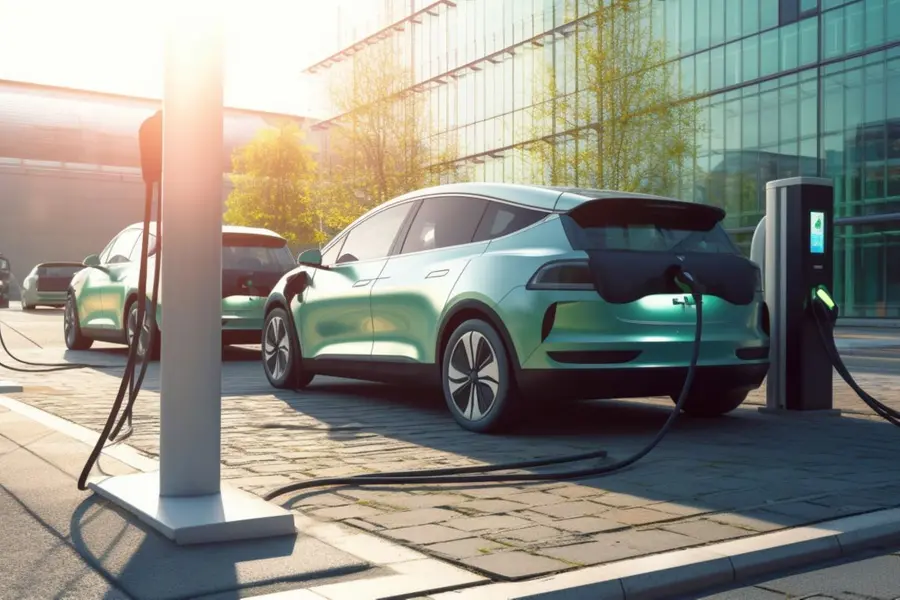
New Delhi: The Delhi EV Policy 2.0 (2026–2030) has been unveiled in draft form, offering a comprehensive roadmap to accelerate electric vehicle (EV) adoption in Delhi through tax exemptions, financial incentives and phased restrictions on petrol and diesel vehicles.
Issued by the Transport Department’s EV Cell, the draft Delhi electric vehicle policy 2026 has been opened for public consultation for 30 days and aims to tackle air pollution in Delhi while strengthening the capital’s clean mobility transition.
100% tax exemption for EVs until 2030
Under the proposed Delhi EV Policy 2.0 benefits, the government has offered 100 per cent exemption on road tax and registration fees for electric vehicles until March 31, 2030.
- Electric cars priced up to ₹30 lakh will get full tax waivers
- Strong hybrid vehicles will receive a 50 per cent concession
- EVs above ₹30 lakh will not be eligible for tax benefits
Petrol two-wheelers ban from 2028
In a major push for electrification, the policy proposes a ban on new petrol two-wheeler registrations in Delhi from April 1, 2028, targeting a segment that makes up nearly 67 per cent of the city’s vehicle population.
Additionally, electric three-wheelers will become mandatory from January 1, 2027, further strengthening the shift towards electric mobility in Delhi.
Fleet restrictions for aggregators from 2026
The draft policy introduces strict rules for cab aggregators and commercial operators, prohibiting the addition of new petrol or diesel two-wheelers and light goods vehicles (up to 3.5 tonnes) to fleets from January 1, 2026.
This move is aimed at accelerating the transition to electric fleets in Delhi’s transport ecosystem.
Also Read| Big EV push: India plans full battery ecosystem in just 2–3 years
EV incentives for two-wheelers, cars and commercial vehicles
The Delhi EV incentives scheme proposes time-bound subsidies to encourage early adoption, with benefits gradually reducing over three years.
- Electric two-wheelers (up to ₹2.25 lakh):
- Year 1: ₹10,000 per kWh (max ₹30,000)
- Year 2: ₹6,600 per kWh (max ₹20,000)
- Year 3: ₹3,300 per kWh (max ₹10,000)
- Electric three-wheelers:
- ₹50,000 (Year 1), ₹40,000 (Year 2), ₹30,000 (Year 3)
- Electric light commercial vehicles (N1 category):
- ₹1 lakh (Year 1), ₹75,000 (Year 2), ₹50,000 (Year 3)
Scrappage-linked incentives for EV buyers
The policy also introduces scrappage incentives for electric vehicles in Delhi, encouraging the replacement of older polluting vehicles.
- Electric cars (up to ₹30 lakh): Eligible for incentives if BS-IV or older vehicles are scrapped within six months
- Benefits available to the first one lakh applicants
- Similar incentives apply to electric N1 goods vehicles
Additional scrappage incentives include:
- ₹10,000 for two-wheelers
- ₹25,000 for three-wheelers
- ₹50,000 for goods vehicles
Direct benefit transfer for EV subsidies
Officials said incentives under the Delhi EV Policy 2.0 will be disbursed via direct bank transfer, aligned with guidelines of the PM E-DRIVE scheme, ensuring transparency and ease of access.
Delhi strengthens push for clean and sustainable transport
The Delhi electric vehicle policy update marks a significant step towards reducing vehicular emissions and improving urban air quality.
With a mix of financial incentives, regulatory measures and phased bans, the policy aims to position Delhi as a leader in electric mobility and sustainable transport in India.
IANS
Published: 11 Apr 2026, 03:51 pm IST
Disclaimer: Kindly avoid objectionable, derogatory, unlawful and lewd comments, while responding to reports. Such comments are punishable under cyber laws. Please keep away from personal attacks. The opinions expressed here are the personal opinions of readers and not that of Mathrubhumi.
