
Experts say combining EV adoption with solar-powered charging infrastructure could strengthen energy security, reduce oil imports and ease pressure on the power grid
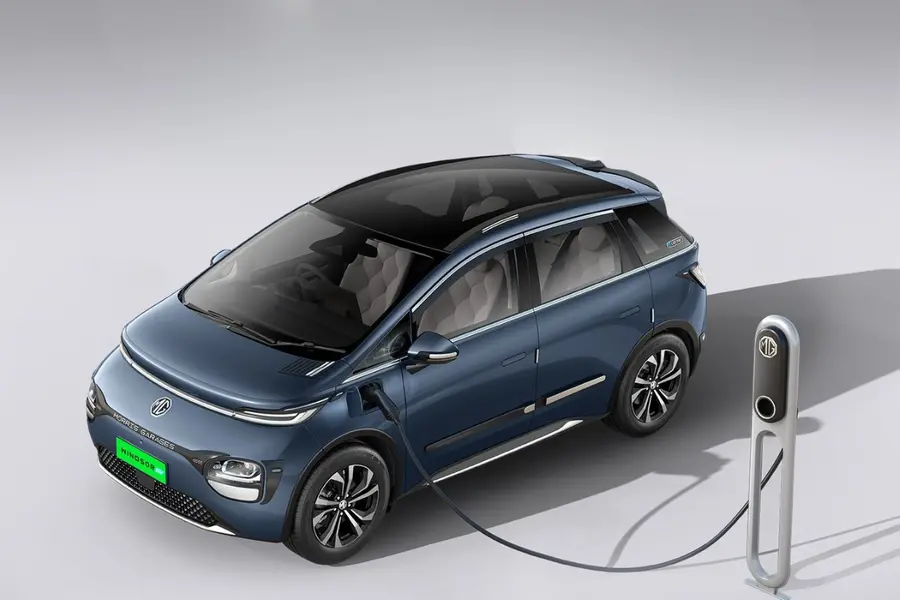
In March, a noticeable shift rippled through India's automotive landscape. JSW MG Motor India saw a 26% jump in customer interest compared with its January–February average, a signal that the electric vehicle (EV) pitch is no longer just for big‑city early adopters.
Alongside that, the EV market share climbed to 5.1% from 3.5% in February, and registrations surged 68% year‑on‑year to 22,499 units. According to VAHAN data, these numbers are not abstract trends; they are the result of real buyers, many of them from non‑metro cities, choosing electric over fuel.
The data points to a growing story beyond the usual hubs. JSW MG’s Windsor model, a compact electric SUV, now draws 70% of its sales from non‑metro cities. That is a stark indicator that EVs are shedding their “premium city car” label and becoming a practical choice for smaller towns and Tier‑2 and Tier‑3 cities where charging infrastructure is still evolving but demand is rising.
Retail numbers reinforce the momentum. JSW MG Motor India retailed 12,267 vehicles in the February–April period of CY25, compared with 16,281 in the same period in CY26—a clear jump in sales volume. The growth is not just about one model or one brand; it is part of a broader national shift.
Solar is also playing its part. As solar penetration expands across rooftops and small commercial setups, it is quietly underpinning the next phase of the EV transition. Solar‑integrated charging can reduce peak grid load by 28–35% and improve grid utilization by 40–70%, making the EV rollout more sustainable and less stressful on the power system.
The strategic rationale is clear. Alekhya Datta, Director of the Electricity and Renewables Division at TERI, said the recent global energy supply shocks from West Asia serve as a reminder that India must work towards self‑reliance. “Electrification of the transport sector is both a strategic and a practical imperative, crucial for reducing dependence on fossil fuel imports,” she said. “Studies suggest that 30% EV penetration by 2030 could save USD 60 billion annually in oil imports,” Datta said.
But growth alone is not enough. Datta warned that EV growth must be supported by smarter and cleaner power systems. Solar‑integrated EV charging can deliver a 28–35% reduction in peak grid load and a 40–70% improvement in grid utilization. Further, EVs can help mitigate the low consumption issues (due to surplus solar) and can provide flexibility through vehicle‑to‑grid (V2G) technologies.
India has a unique opportunity to align the transition to EVs with distributed renewable energy expansion. That is the pathway to lower costs, greater resilience, and real energy independence.
From the surging interest in JSW MG’s EVs to the 70% of Windsor sales coming from non‑metro cities, the picture is clear: the electric vehicle revolution in India is not just happening in the big cities. It is spreading across the country, powered in part by the sun, and increasingly driven by buyers who see electric not as a distant future, but as a practical present.
Published: 12 Jun 2026, 02:15 pm IST
Related Topics
Disclaimer: Kindly avoid objectionable, derogatory, unlawful and lewd comments, while responding to reports. Such comments are punishable under cyber laws. Please keep away from personal attacks. The opinions expressed here are the personal opinions of readers and not that of Mathrubhumi.
